

The Best “Driver Spec” Options That Make Certain Cars More Collectible
In the collector world, “rare” gets headlines, but the right driver spec is what makes you want to take the long way home. Driver spec is the set of factory options that improve the experience you actually feel: steering feedback, pedal response, seating position, braking confidence, and the small details that turn a fast car into a great one.
This guide breaks down the options enthusiasts tend to chase, why they matter, and how to shop for the right spec without overpaying for hype. And if you’re hunting a higher-performance car, getting prepped early with supercar finance can help you focus your search on the versions you’ll truly enjoy.
What “Driver Spec” Actually Means
Driver spec is simple: a car configured for the drive, not just the photo.
That often means choosing options that improve feedback and control, even if they are not the most luxurious. It also means understanding how driver spec differs from “fully loaded.”
Driver spec tends to prioritize:
- Sharper steering feel and better body control
- Supportive seating and a confident driving position
- Braking hardware that matches the car’s pace
- cooling and durability options that keep performance consistent
Fully loaded tends to prioritize:
- Comfort features you notice in traffic more than on a back road
- Technology packages that can age quickly
- Cosmetic upgrades that look great but don’t change the driving feel
A great driver spec is not always the most expensive configuration. It’s the one where the car feels cohesive, like the options were chosen with intention.
Transmission and Controls That Enthusiasts Chase
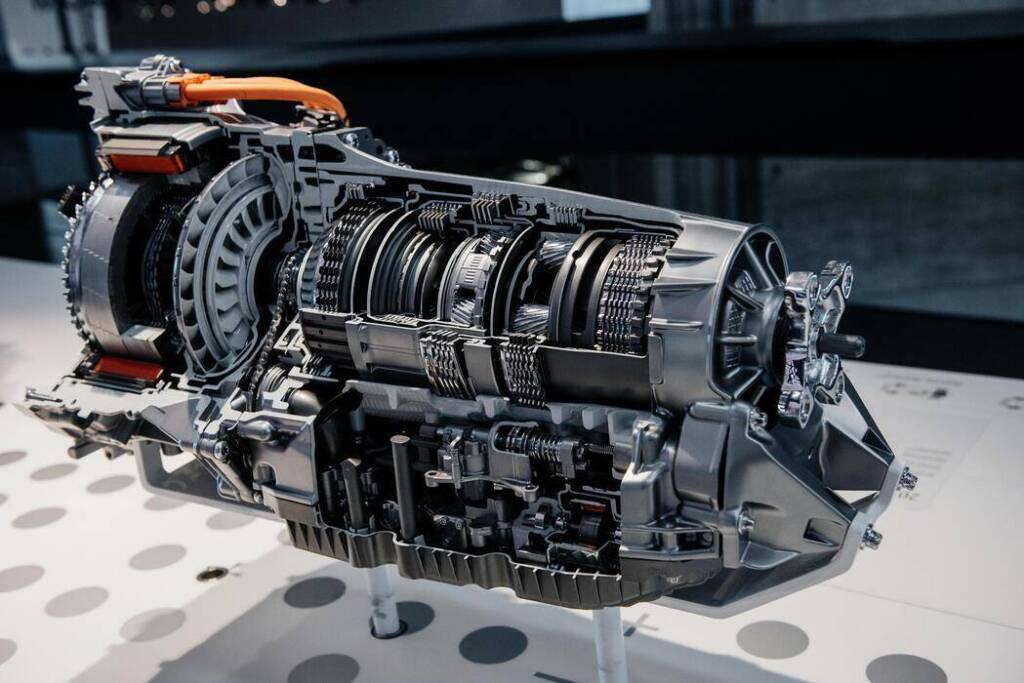
Manual transmissions (when available)
For many segments, a manual can be the defining driver spec option. It’s not only about “three pedals,” it’s about involvement and control. In some models, the manual is the last link to an era where the driver’s timing mattered as much as the engine’s output.
That said, manual value is contextual:
- In some cars, the manual is the enthusiast’s default and easiest to resell later.
- In others, the manual is rare but slower or less refined, which narrows the buyer pool.
A smart way to shop it: buy the transmission that fits how you actually drive, then let condition and history decide the example.
Paddle-shift eras and what makes one feel better than another
Not all paddle-shift cars feel the same. Enthusiasts usually care about:
- Shift response and consistency
- How the transmission behaves in manual mode
- Whether the calibration feels “connected” or overly filtered
When you test drive, pay attention to the moments that reveal character: a downshift into a corner, a quick upshift under load, and low-speed smoothness. Driver spec is often about these small realities.
Seats, Suspension, and the Options You Feel Every Mile
Sport seats and supportive buckets
Seats are one of the most underrated “collectible” options because they change every mile. A true sports seat or bucket can:
- Keep you stable so you’re not bracing on the steering wheel
- Improve comfort on longer drives by supporting the right areas
- Make the cockpit feel purpose-built
Carbon buckets can be a highly desirable option, but they’re not automatically better for everyone. If a seat is too aggressive for your use, it can make ownership less enjoyable, even if the option is rare.
Suspension packages and handling upgrades
Factory suspension packages are classic driver spec territory because they tend to be engineered as a system. The right package can deliver:
- Tighter body control without harshness
- Improved turn-in and confidence mid-corner
- Better composure on real-world roads
The best versions feel “sorted,” meaning the car’s behavior matches the power, and the chassis feels like it is working with you, not against you.
Wheel and tire setups that improve steering feel
Wheels can be a cosmetic trap, but the right factory wheel and tire combination can genuinely improve the drive:
- Better steering response and less squirm
- Stronger grip and more predictable breakaway
- Improved brake clearance for performance packages
The goal is balance. Ultra-large wheels can look great, but sometimes add weight, reduce ride quality, or increase replacement costs. Driver spec is often the sweet spot, not the maximum diameter.
Brakes, Aero, and Cooling: The Performance Options That Count
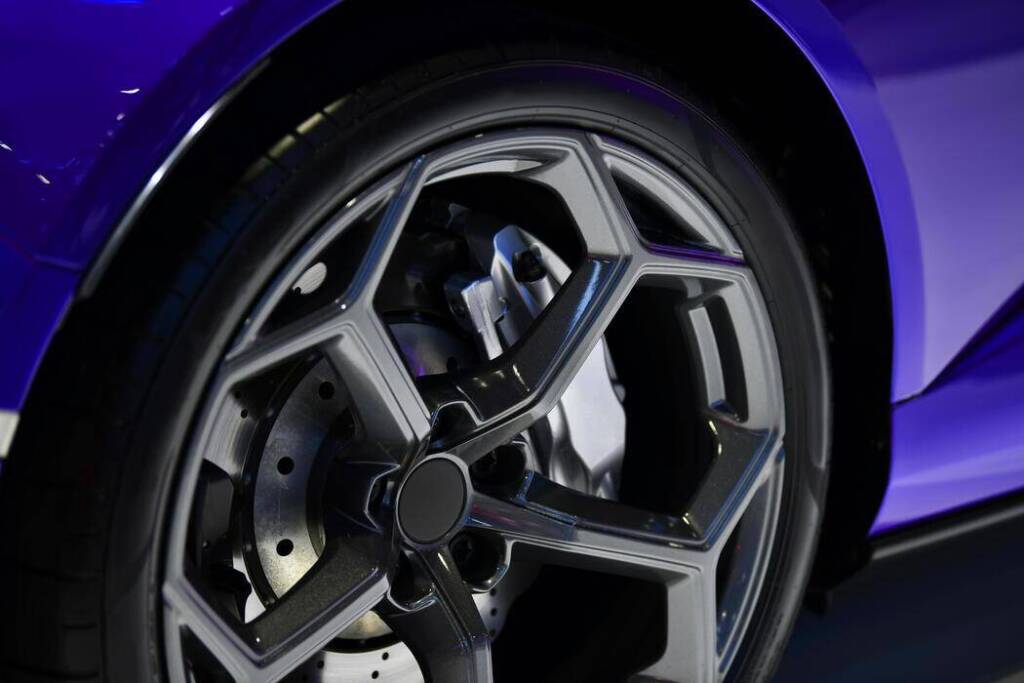
Brake upgrades
On heavier, faster cars, brakes are not an accessory. They’re part of the confidence package. Factory brake upgrades are often desirable because they:
- match the vehicle’s capability
- tend to come with proper cooling and calibration
- can improve resale because buyers know what they’re getting
Carbon ceramics can be a big value driver in certain segments, but they also come with real-world considerations (replacement cost and how the car was used). For many enthusiasts, the best driver spec is the brake setup that fits their mix of street driving, mountain roads, and occasional track days.
Factory aero packages
OEM aero matters because fit and function are usually better than aftermarket. A factory aero package can:
- Improve stability at speed
- Add a purposeful look that feels “correct.”
- Signal a higher-performance trim without guessing
The key is authenticity and completeness. Partial aero or mismatched parts often raise questions later.
Cooling and track-use hardware
Some of the best driver spec options are the invisible ones: extra cooling, upgraded radiators, oil coolers, and track-oriented durability packages. Even if you never track the car, these options can:
- Keep temperatures stable in warm climates
- Reduce heat soak and performance fade
- Support long-term reliability
If you’re buying a car with serious pace, ask yourself a simple question: Does the spec support consistent performance, or just peak performance once?
Color, Trim, and the “Taste” Factor
Driver spec is not only mechanical. Spec that feels right also looks right.
Signature combinations
Certain colors and interiors become “period correct” signatures. Think classic exterior tones paired with interior materials that fit the era. These combinations tend to hold demand because they feel timeless, not trendy.
When rare is good vs when rare is hard to resell
Rare can help collectibility, but only if the market wants that rarity. A niche color or unusual interior might:
- Be perfect for the right buyer
- Take longer to sell later
- Trade at a higher ceiling for a smaller pool
A strong rule: if you’re buying rare, make sure you genuinely love it. The best driver spec is the one you’ll enjoy living with.
A practical “driver spec” shortlist
Use this as a quick filter when comparing listings.
| Option category | What to look for | Why does it help collectibility |
| Transmission | manual (when it suits the model), strong paddle calibration | enthusiast demand, stronger emotional appeal |
| Seats | factory sport seats or buckets | changes the driving experience every mile |
| Suspension | factory handling package, dampers, sport alignment options | feels “sorted,” improves confidence |
| Brakes | factory upgraded brakes, proper cooling | signals serious intent, improves trust |
| Cooling | oil coolers, extra radiators, track durability options | supports consistent performance, longevity |
| Spec and trim | period-correct color combos | broader demand, easier resale |
Finance Your Next Enthusiast Car with Woodside Credit
When you find a spec you truly want, it helps to align the purchase plan with the type of vehicle you’re targeting. Woodside Credit is built to deliver the lowest monthly payments in America for qualified buyers, so you can target the right spec without stretching.
Start by confirming fit through Cars We Finance.
Shopping for the right spec is half the win. With the financial side mapped early, you can focus on the versions you’ll actually love to drive.
FAQ: Driver Spec and Collectibility
What does “driver spec” mean?
Driver spec means a factory configuration chosen for the driving experience: control, feedback, and confidence. It prioritizes options you feel, not just options you see.
Is “driver spec” the same as “fully loaded”?
Not usually. Fully loaded tends to focus on comfort and tech. Driver spec focuses on mechanical and functional upgrades like seats, suspension, brakes, and transmission feel.
Do manual transmission collector cars always sell for more?
Not always, but in many enthusiast segments, manuals are more desirable and can be easier to sell later. It depends on the model, the era, and how the manual compares to the automatic option.
Which options matter most for long-term collectibility?
The big hitters are often the ones that change the drive: sport seats or buckets, factory suspension packages, brake upgrades, and cohesive period-correct color and trim combinations.
How do I know if my target car is eligible for financing?
Check Eligible Vehicles to confirm fit and requirements.
Wrap Up: Buy the Spec You’ll Actually Use
The most collectible cars are often the ones people genuinely want to drive. Driver spec matters because it turns performance into feel and feel into demand. Build a shortlist around the options that improve your real-world experience, then choose the best example based on condition, documentation, and how “sorted” it feels on the road.
Once you’ve confirmed the right car, apply now and keep things moving with the lowest monthly payments in America for qualified buyers.
