
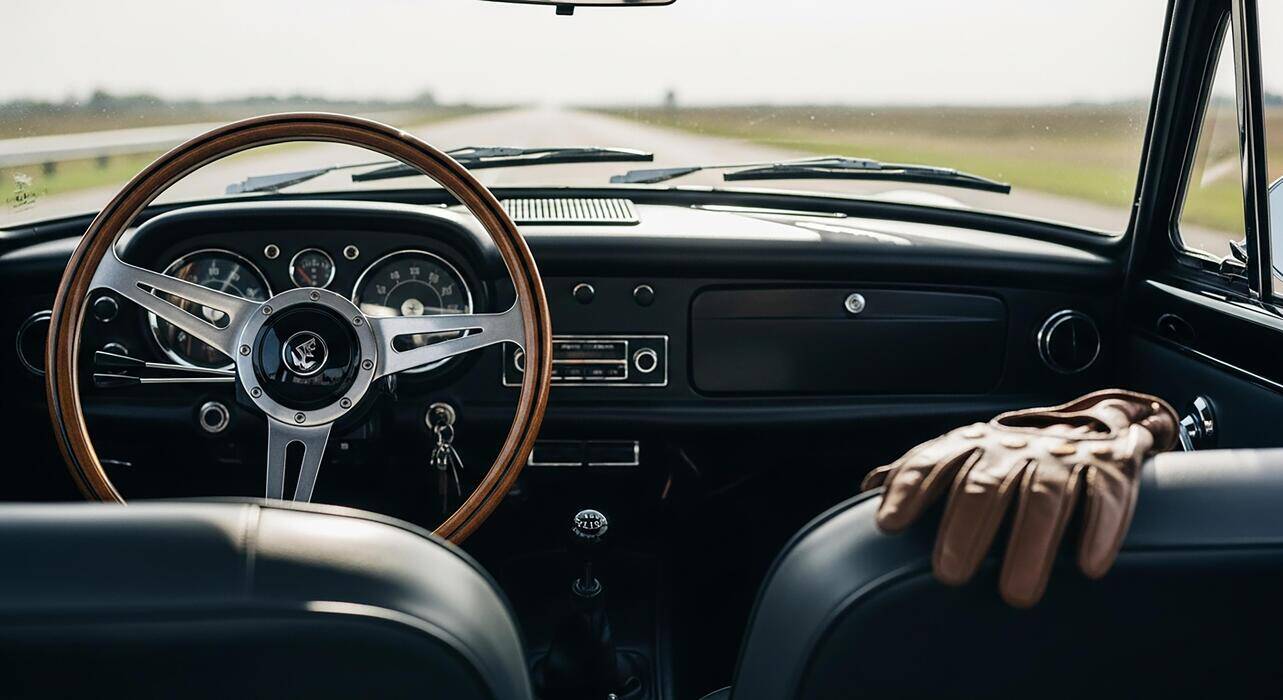
Modern Manual Legends: The Last Great Stick-Shift Cars Collectors Are Chasing
A great manual doesn’t just change how a car drives; it changes how it feels to own. That’s why manual transmission collector cars have been heating up across the enthusiast market. Manuals are harder to find in new performance cars than they used to be, and that scarcity has turned “three pedals” into a bucket-list experience for buyers who want sound, timing, and real driver connection.
The other reason values are moving is simpler: a truly good manual makes an ordinary road feel like an event. If you’ve ever driven a car where the shifter feels mechanical, the clutch bites cleanly, and the engine responds instantly, you already understand why collectors are chasing the last great stick-shift era.
If you’re planning to buy in this segment, it helps to think like a collector but shop like a driver. And if you want a financing plan built around keeping payments low so you can focus on finding the right example, Woodside’s collector loan program overview is a good starting point: Classic Car Loans and Exotic Car Loans.
Why Manuals Are Rising in Collector Appeal
The driver-connection factor
The best manuals are an experience you participate in, not a feature you use. You’re timing shifts, managing traction, working the clutch on a hill, and deciding how aggressive you want each downshift to be. It’s not “better” for everyone, but for the people who love it, it’s hard to replace.
And unlike many modern performance metrics, connection is not getting easier to buy. That’s why the market is paying attention.
The supply trend: fewer manual offerings over time
The big trend is real: fewer modern cars are offered with a manual, and many that used to offer one no longer do. That doesn’t automatically make every manual valuable, but it does increase the attention around the best, latest, and most iconic manuals.
Why spec matters: manual plus the right options is a demand multiplier
A manual is rarely the whole story. It’s manual plus the right “driver spec” details: the seats you want, the chassis package that feels sorted, the right wheels, the right color, and a history that makes the car easy to buy and easy to resell later. The market usually pays most for a manual car that feels like the “one to own,” not just the rare one.
The Manual Spectrum: Classic, Modern, and “Modern-Classic”
Manuals don’t all deliver the same kind of magic. Collectors tend to bucket the experience into three zones.
Older analog manuals
Think older cars where the clutch is heavier, the shifter feels like metal-on-metal, and the whole drivetrain communicates. The “desirable” factor here is often character, the way the car talks back.
What collectors prioritize: originality, documentation, and whether the car is mechanically sorted.
Modern high-performance manuals
This is the sweet spot for many enthusiasts: newer reliability with an old-school interface. The best modern manual sports cars tend to have great clutch feel, good ratios, and a chassis that rewards precision.
What collectors prioritize: condition and service history, plus the exact trim and options that define the best version.
Modern-classics in the analog-to-digital transition
This is where the market is especially active. Cars from the late 1990s through the 2010s often combine modern performance with a still-analog feel, and some include iconic manual variants that are disappearing fast.
What collectors prioritize: whether the manual version is truly special in the lineup, and whether the car’s story supports the premium.
A Practical Shortlist of Modern Manual Legends
Below is a culture-first shortlist of cars that enthusiasts consistently chase. These sit in segments Woodside commonly finances across classic, exotic, and supercar categories, but always confirm the exact model and year before you buy.
Modern exotics with iconic manual variants
Ferrari 360 Modena and F430 (gated manual variants)
Why it’s special: A gated manual Ferrari is the definition of mechanical theater. The click-clack of the gate turns every shift into a moment, and the driving experience feels like a ceremony, not a commute.
What to look for: The best examples are documented, original, and honestly presented. You’re not just buying the car, you’re buying the story that proves it’s the right one. If you want a deeper walkthrough of why these cars are so loved and what to consider as a future classic, this is a strong reference: Financing a Ferrari: Gated Manual, Mid-Engine, Daily Driver or Future Classic?
Lamborghini Gallardo (manual variants)
Why it’s special: Peak early-2000s Lamborghini energy, with a manual option that makes the car feel rawer, more involved, and more memorable. It’s one of the clearest “last manual supercars” stories enthusiasts understand immediately.
What to look for: Service history matters. Condition matters. A sorted Gallardo feels tight and confident. A neglected one feels expensive.
Aston Martin V12 Vantage (manual variants)
Why it’s special: A naturally aspirated V12 paired with a manual is a rare combination today, and it hits the emotional sweet spot: huge character, grand touring presence, and real interaction.
What to look for: Documentation, specialist servicing, and a clean, consistent ownership story. These cars reward careful ownership.
Driver-focused heroes (GT cars, track specials, limited trims)
Porsche 911 GT3 (manual variants)
Why it’s special: The manual Porsche GT3 collector value conversation exists for a reason. A GT3 manual is not just “a 911 with three pedals.” It’s a driver-focused package that rewards skill, and the best ones feel purpose-built.
What to look for: Condition and servicing are the foundation. After that, look for a spec that feels cohesive and period-correct. Track use isn’t automatically bad, but it should be supported by excellent records and careful ownership.
Chevrolet Corvette (manual performance trims, including Z06-era favorites)
Why it’s special: A Corvette manual is classic American performance in a format you can genuinely use. The experience is simple: big character, strong pace, and a community that keeps demand alive.
What to look for: Clean history, mechanical health, and a spec that makes sense. Modifications can be fine when they’re high-quality and reversible, but unclear “tuner stories” can narrow resale later.
Dodge Viper (manual, all generations)
Why it’s special: A manual Viper is the definition of unapologetic mechanical feel. It’s a car collector’s respect because it never pretended to be anything else.
What to look for: Evidence of careful use, clean panels, and service history. You want the car that feels loved, not simply survived.
Sedans and oddball collectors respect
This category is where you can find under-the-radar wins, but it’s also where eligibility varies more by model and market. The collector play here is simple: buy something with a real enthusiast reputation, a clean story, and a spec that makes sense.
If you’re shopping outside the obvious supercar lane, it becomes even more important to confirm the exact year and model fits the program and pricing guidelines before you commit.
What to Look For When Buying a Manual as a Collectible
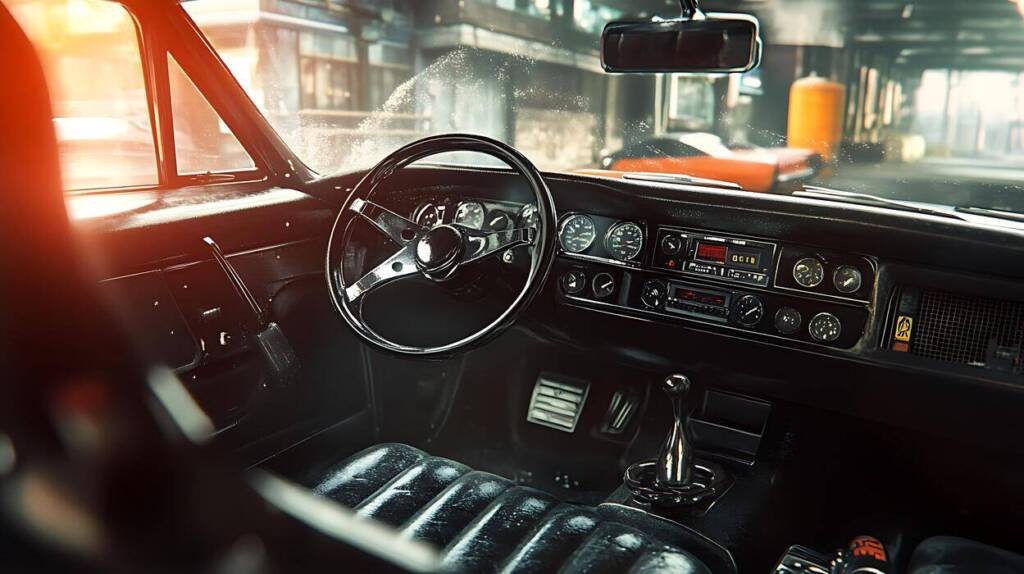
When you buy a manual car as a collectible, you’re buying two things at once: the driving experience and the future buyer’s confidence.
Mechanical feel checks that matter
- Clutch engagement: smooth take-up, no slipping, no weird chatter that doesn’t match the model
- Gear engagement: clean shifts, no grinding, no “fight” going into gears
- Synchro health: downshifts should feel confident, not reluctant
- Consistency when warm: some issues hide until the car is fully up to temperature
A manual that feels great is one of the strongest signs the car has been maintained properly.
Service records and history
A clean manual car with documented servicing is often worth paying more for. Records reduce risk, and they also protect resale. If you’re choosing between “a little cheaper” and “fully documented,” collectors usually lean toward documented.
Stock vs modified, and the manual-swap problem
As manuals get rarer, swaps happen. The market tends to value:
- Factory manual cars are most highly (I think we are missing something here)
- Reversible, high-quality modifications when documented
- Unclear swaps least, especially when the story is vague, or the work is hard to verify
If it’s swapped, the burden of proof is higher. If it’s factory, the burden of proof is simpler: confirm authenticity, condition, and maintenance.
Manual Market Mistakes to Avoid
Overpaying for rarity without condition
A manual premium only makes sense when the car is the right example. If the condition and documentation don’t support the price, you’re paying for a headline, not a car.
Ignoring spec and documentation
Manual is not the only lever. Seat spec, chassis options, color combinations, and service history all affect desirability. The “right manual” often sells faster than the “rare manual.”
Buying the wrong variant in a model line
Some manuals are special because they represent the best version. Others are rare because they were unpopular. Learn where your target sits before you buy. The market is usually honest over time, and the best cars keep getting attention.
FAQ
What makes manual transmission collector cars more desirable right now?
Manuals are becoming harder to find, and the best ones deliver an experience modern cars are moving away from: driver connection, mechanical feel, and involvement. That combination of scarcity and enjoyment is driving demand.
Are all modern manual sports cars future collectibles?
No. Collectibility usually comes from a mix of factors: the manual experience, the model’s reputation, the right spec, and strong documentation. A rare manual alone isn’t a guarantee.
Do “gated manual Ferrari” models really command a premium?
Often, yes, because the gated manual experience is both iconic and increasingly rare. The premium is strongest when the car is original, well-documented, and in condition that matches the story.
What should I inspect first when buying a manual as a collectible?
Start with clutch feel, gear engagement, and synchro health, then move to service records and ownership history. A manual that drives tight and comes with strong documentation is usually the safer collectible buy.
Is a modified manual car a bad idea for resale?
Not always. High-quality, reversible modifications with documentation can be fine. Unclear modifications, poor workmanship, or swaps without proof can make resale harder.
Finance Your Manual Legend with Woodside Credit
Modern manuals are getting rarer, but the best ones are not just “hard to find.” They’re the cars that make you want to drive. When a great manual shows up, timing matters, but rushing is how people buy the wrong example. The smarter move is to choose the car first, verify the story, and then get your numbers aligned so you can move confidently when the right one appears.
Woodside’s collector-focused approach is built around working with enthusiasts when they’re shopping for a high-quality example. And if you want to keep your cash with flexible terms, Woodside’s low-payment approach is designed for exactly that. The simplest way to see how that could look for your target is to start with a Quick Quote.
