
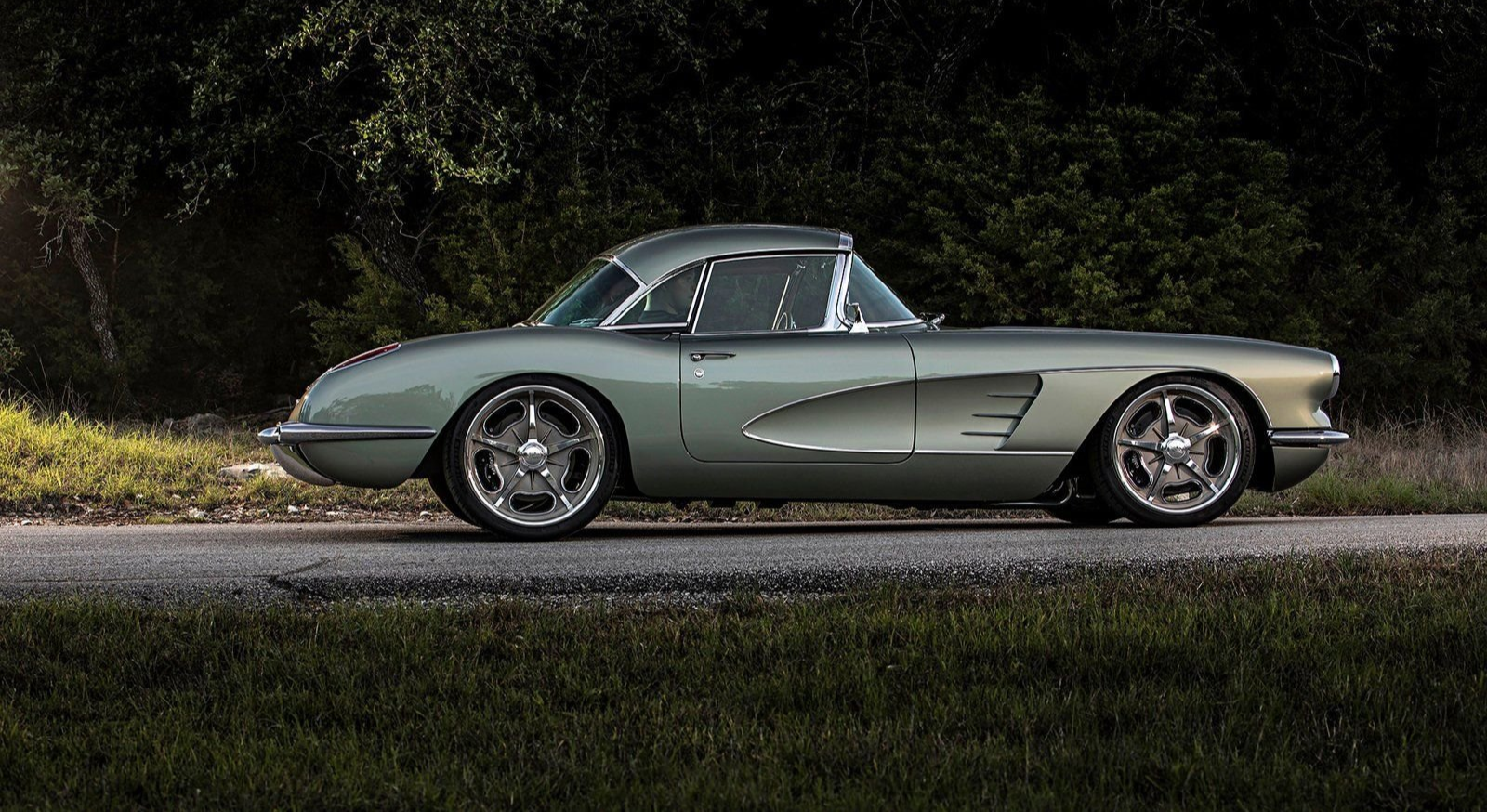
Quick Answer: “A restomod is worth financing when it feels like a completed collector car, not an unfinished project. The best examples combine classic-car style with modern drivability, quality parts, strong craftsmanship, clear documentation, and realistic market value. Buyers should focus on finished, usable builds that fit Woodside Credit’s restomod financing guidelines.”
A great restomod gives buyers the best parts of classic-car ownership without every vintage compromise. It may look like the car people remember, but it can drive, stop, steer, cool, and cruise with more confidence than the original version.
That is also what makes restomods tricky to judge. Two cars can look similar in photos, but one may be a professionally finished build while the other is a collection of mismatched upgrades. Before you finance a restomod, the real question is not just whether the car looks good. It is whether the build quality, usability, documentation, and value all support the asking price.
Woodside’s restomod financing program is designed for collectible vehicles like these, helping buyers pursue completed modified classics with low monthly payments.
What Makes a Restomod Different From a Regular Classic Car?
A restomod keeps the character of a classic car while adding modern upgrades that make it easier, safer, or more enjoyable to drive.
A restored classic usually tries to return a car to its original or period-correct condition. A modified classic may have upgrades, but those upgrades are not always part of a cohesive plan. A restomod should feel more intentional. The engine, suspension, brakes, interior, and overall finish should work together.
That is the appeal. The buyer still gets the shape, presence, and nostalgia of a classic car, but the driving experience can feel more usable in modern traffic. Better brakes, improved steering, upgraded cooling, newer drivetrains, air conditioning, and more comfortable interiors can turn a weekend showpiece into a car that actually gets driven.
The strongest restomods do not erase the classic. They improve it without losing the reason people wanted the car in the first place.
The Build Quality That Matters Most
Build quality is what separates a finance-worthy restomod from a risky custom build. A car can have expensive parts and still be poorly executed.
The most important areas to inspect are the ones that affect how the car looks, drives, and holds value:
- Paint and bodywork
- Panel fit and gaps
- Wiring and electrical integration
- Suspension setup
- Brake system quality
- Drivetrain installation
- Cooling system performance
- Interior fit, finish, and comfort
A good build feels consistent. The parts match the purpose of the car. The stance fits the wheel and tire package. The brakes match the power. The interior quality matches the exterior finish. The wiring looks planned, not patched together.
That matters because restomod value is tied to execution. A buyer is not only paying for the base classic. They are paying for the skill, time, parts, and decision-making behind the finished car.
Is the Car Finished, Sorted, and Actually Enjoyable to Drive?
A restomod worth financing should be complete, operational, and sorted. It should not feel like the next owner is being asked to finish the builder’s punch list.
A good restomod should start easily, idle cleanly, stay cool, brake confidently, and drive in a way that matches its purpose. It does not have to feel like a new car, but it should feel stable, predictable, and usable.
Buyers should think about how they plan to enjoy the car:
- Local cruises
- Weekend drives
- Car shows
- Longer road trips
- Autocross or pro-touring events
- Occasional auction or collection display use
That intended use matters. A pro-touring build may feel sharper and firmer. A cruiser may prioritize comfort and air conditioning. A show-focused build may lean more heavily on paint, stance, and interior presentation.
The right restomod is the one that fits the buyer’s real ownership plan, not just the one with the longest parts list.
Restomod vs. Hot Rod vs. Pro-Touring: What’s the Difference?
Restomods, hot rods, and pro-touring classics can overlap, but they usually attract different buyers. Understanding the difference helps you judge the car on the right terms.
| Build type | Main purpose | Common upgrades | Best fit for |
| Restomod | Classic style with modern drivability | Engine, brakes, suspension, comfort, interior upgrades | Buyers who want vintage looks with modern upgrades |
| Hot rod | Custom personality, power, and style | Engine swaps, custom bodywork, stance, and unique details | Buyers who want a bold, personalized classic |
| Pro-touring | Classic car with modern performance handling | Suspension, brakes, chassis upgrades, wheels, and cooling | Buyers who want a classic that drives with more modern confidence |
A restomod does not have to be extreme to be valuable. Sometimes the most desirable builds are the ones that feel balanced: enough modern improvement to make the car better, but not so much that the original character disappears.
For buyers comparing modified classics, Woodside’s guide to financing hot rods is a useful companion because custom builds require extra attention to condition, documentation, valuation, and roadworthiness.
What Should Buyers Check Before Financing a Restomod?
Before financing a restomod, buyers should make sure the car’s story supports its price. A great build should come with more than a nice photo gallery.
Start with documentation. Strong examples often include receipts, parts invoices, shop records, build photos, appraisal details, and service history. These records help explain what was done, who did the work, and why the car is worth the asking price.
Then look at the build itself. Clean wiring, tidy plumbing, proper brake and suspension setup, quality paintwork, and a finished interior all help build confidence. Poor details in hidden areas can be a warning sign, even when the car looks strong from ten feet away.
Buyers should also compare the asking price to the market. Restomod valuation is different from valuing a factory-original classic. The base vehicle matters, but so do parts quality, craftsmanship, reputation of the builder, drivability, and how broadly appealing the final spec is.
Woodside works with dealer, private party, and auction purchases for restomod financing, which gives buyers flexibility. The car still needs to make sense as a completed, financeable collector vehicle.
Why Specialty Financing Fits Restomod Buyers
Restomods often need a lender that understands collector cars and modified vehicles. A standard used-car loan may not be built around the way these cars are valued, especially when the finished car is worth far more than the original factory version.
Specialty financing fits because the loan is based on a collector vehicle, not an ordinary daily driver. Woodside’s restomod program uses secured auto loans rather than personal loans, which helps support low monthly payments for qualified buyers.
That matters for a restomod buyer because the goal is usually to buy the right finished build, not just the cheapest one. A stronger car may cost more upfront because the paint, drivetrain, suspension, interior, and documentation are better. Lower monthly payments can help buyers stay focused on the quality of the car instead of settling for a weaker build.
The process is also built for real collector-car transactions. Applications can be completed online or by phone, loan documents can be completed through eSign, and vehicle verifications may be handled in person or virtually when required.
Finance a Restomod With Woodside Credit
A restomod worth financing should feel complete from every angle: the way it looks, the way it drives, the way it was built, and the way its value is supported.
The best buyers slow down before committing. They review the build quality, confirm the documentation, understand the valuation, and make sure the car fits how they actually plan to use it. A finished restomod should make classic-car ownership more enjoyable, not more uncertain.
Restomod Financing Questions Buyers Ask
What makes a restomod worth financing?
A restomod is worth financing when it is complete, operational, well-built, properly documented, and realistically valued. The strongest examples combine classic styling with modern drivability and quality workmanship.
Can you finance a pro-touring classic?
Yes, a pro-touring classic may be financeable when it is completed, operational, well-documented, and properly valued. Buyers should focus on build quality, drivability, and whether the finished car fits the financing program.
Is a restomod harder to finance than an original classic car?
It can be more complex because a restomod’s value depends on the base vehicle, parts, craftsmanship, documentation, and condition. A well-built, well-documented restomod is easier to evaluate than a custom build with unclear work.
What should I check before buying a restomod?
Check build receipts, shop records, parts quality, paint and bodywork, wiring, drivetrain installation, suspension setup, brakes, interior finish, service history, and how the car drives.
Does Woodside Credit finance restomods from auctions or private sellers?
Woodside works with dealer, private party, and auction purchases for restomod financing when the vehicle and transaction fit the program.
How do I know if my restomod is eligible for financing?
The best step is to confirm the specific build, condition, documentation, and purchase details with Woodside Credit before committing to the car.
Choose the Restomod That Feels Finished, Not Just Flashy
The best restomods are not defined by how many upgrades they have. They are defined by how well everything works together. The right car should keep the emotion of a classic while adding the confidence to drive and enjoy it.
Found a restomod that checks the right boxes? Contact Woodside Credit to confirm eligibility and explore financing built for modified collector cars.
