


Fall brings cooler mornings, changing leaves and a few more reasons to take the scenic route. For collector car owners, it also signals the time to prepare for fewer drives—or several months off the road.
Whether you own a vintage Corvette, an air-cooled Porsche or a modern exotic, putting the car away properly takes more than parking it and pulling on a cover. A thoughtful storage routine helps preserve its condition and makes the next driving season easier to enjoy.

At Woodside Credit, we know the ownership experience continues long after the purchase. Here is how to prepare your collector car for the quieter months ahead. Follow your owner’s manual and a qualified specialist’s advice wherever your vehicle requires a specific procedure.
Choose a Dry and Secure Storage Space
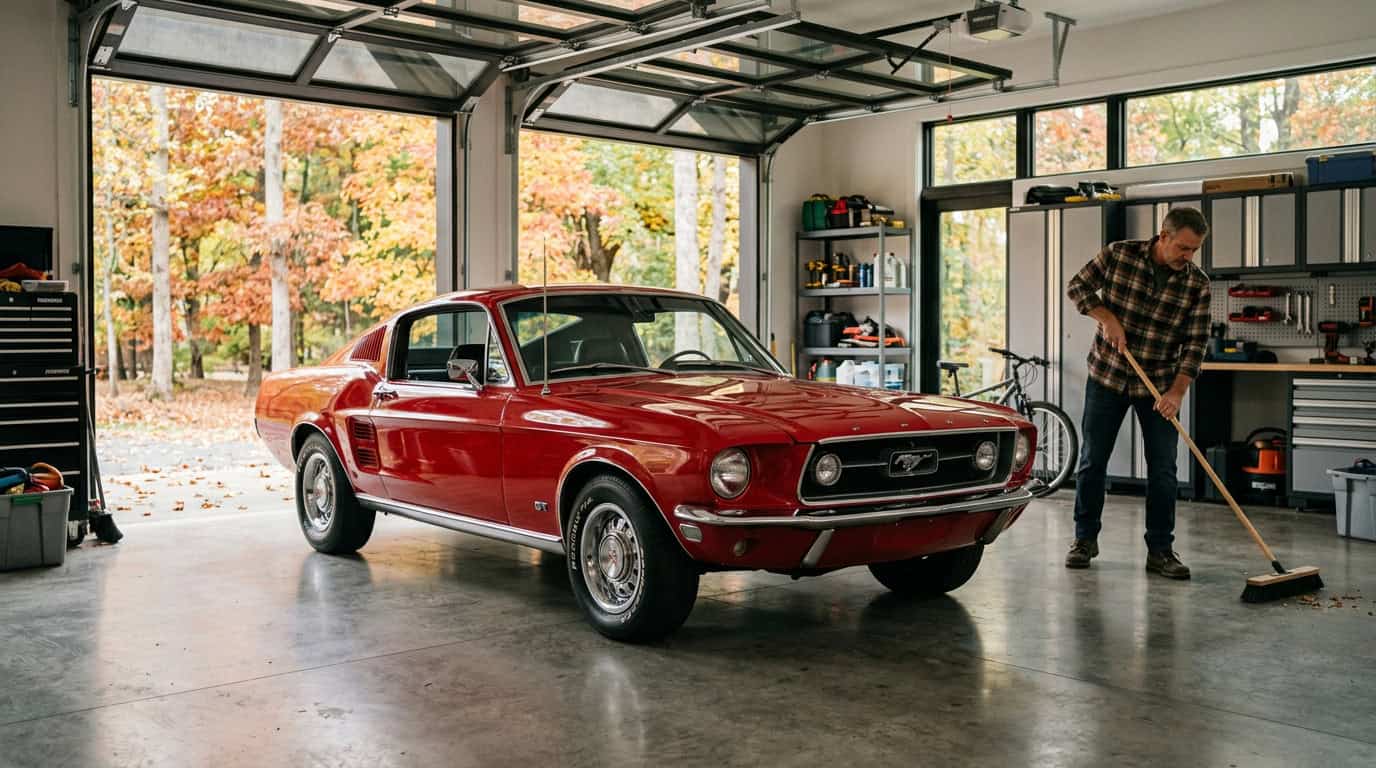
An enclosed garage with a dry floor is a good starting point. Temperature-controlled storage is preferable when available. Look for roof leaks and signs of dampness before parking, and keep the car away from places where water collects.
Even in mild climates, a car parked for weeks needs preparation. Storage location and moisture control matter whether the vehicle stays parked all winter or comes out on occasional sunny days.
Clean the Car and Let it Dry Completely
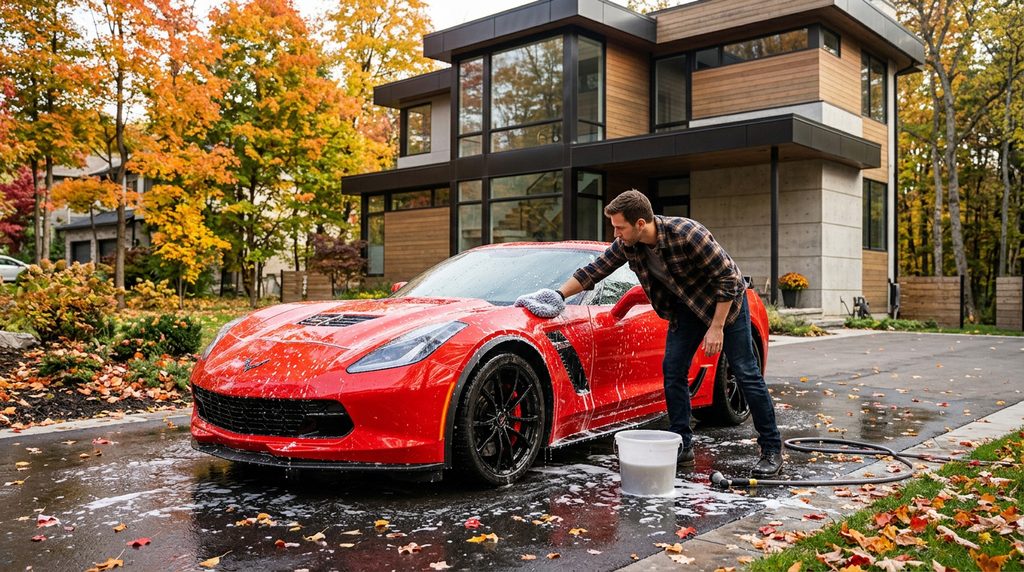
Wash away road grime, insects and other contaminants, then protect the finish with a product appropriate for its paint. Pay attention to wheel wells and lower body panels.
Vacuum the cabin and trunk, remove food and trash, and check that carpets and floor mats are dry. Use suitable care products for leather, vinyl and rubber. Cover the car only after it is completely dry, using a clean, breathable cover suited to its storage environment. Trapping moisture beneath a cover defeats the purpose of protecting it.
Handle Fuel Before the Final Drive
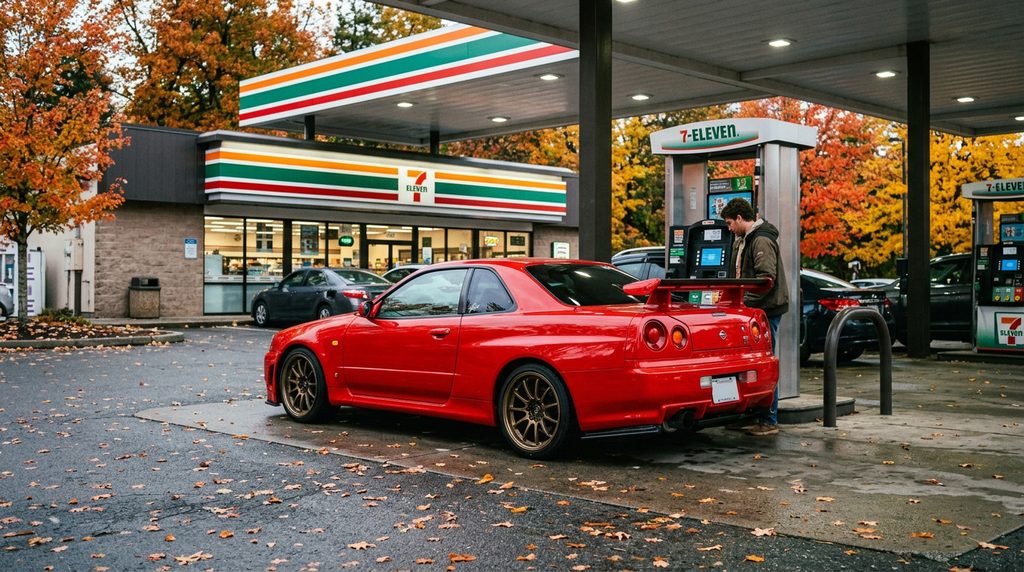
For a gasoline-powered collector car entering seasonal storage, start with fresh fuel of the grade and ethanol content approved for the vehicle. Follow the manufacturer’s storage instructions; a nearly full tank is commonly recommended, with space left for expansion.
If using a compatible fuel stabilizer, measure it according to the product label and circulate the treated fuel before parking. Mechanics guidance specifies running the engine for five minutes after treatment. Do this outdoors, before the car goes into its storage space.
Carbureted classics, modified fuel systems and specialty fuels may require a different approach. Confirm the procedure with your specialist.
Address Fluids and Maintenance Now
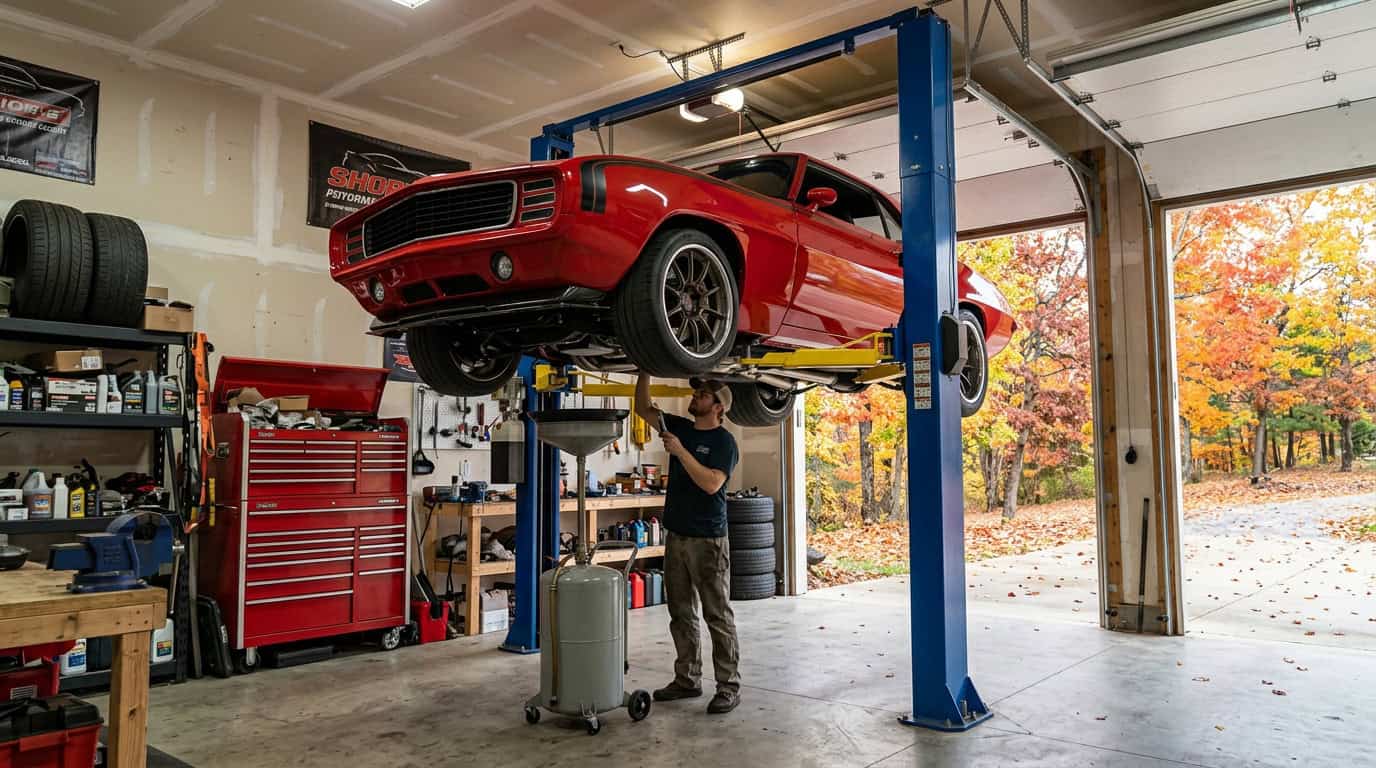
If an oil and filter change is due, complete it before storage. Have overdue brake fluid or coolant service performed, and confirm that coolant provides appropriate freeze protection for the storage location.
Use the fluids specified for your vehicle. A vintage engine and a modern exotic may have very different requirements. Record any leaks or maintenance concerns so they can be addressed before the next drive.
Use the Correct Battery Maintainer
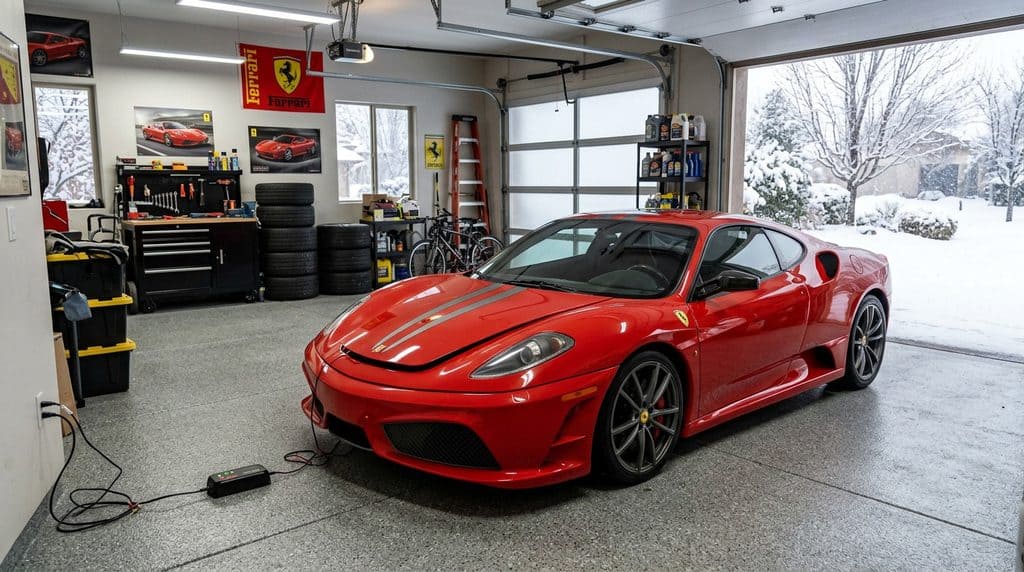
A smart battery maintainer can help keep a stored car ready for its next outing. Match its voltage, charging mode and compatibility to the battery installed in the vehicle. Flooded lead-acid, AGM and lithium batteries require compatible equipment and settings.
Follow the vehicle’s instructions for connection points and battery disconnection. If you are unsure which battery is installed or which maintainer to use, have your service specialist confirm the setup.
Give Tires and Brakes Some Attention
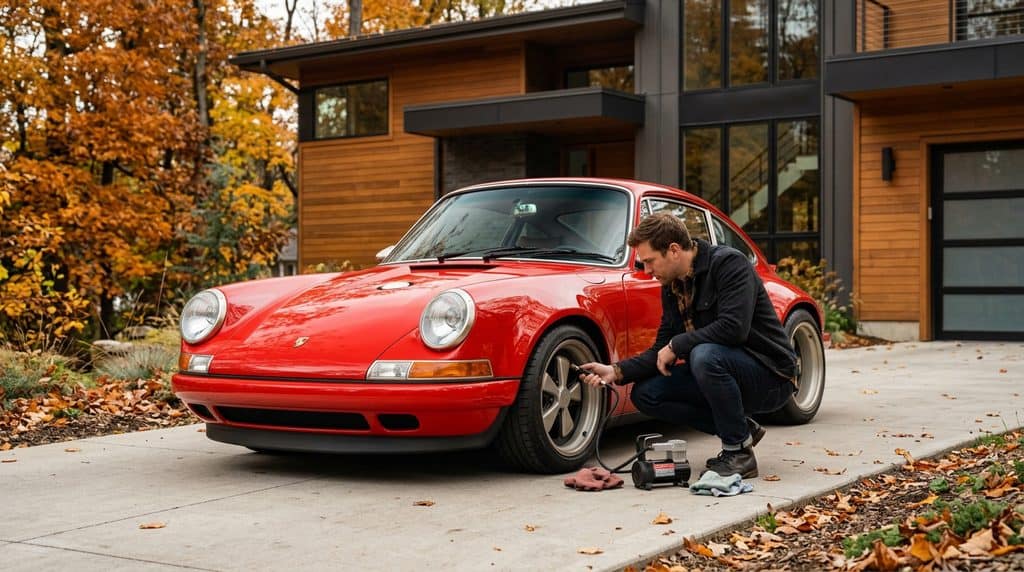
Check tire condition and cold inflation pressures before parking. Follow the guidance for your particular tires and vehicle rather than adding an arbitrary amount of pressure. Michelin recommends maintaining vehicle placard pressure and warns that overinflation can worsen flat spotting under some conditions.
For extended storage, ask your specialist whether moving the car periodically or using a properly supported storage arrangement is appropriate.
Parking-brake procedures also depend on the vehicle. Where its instructions permit, storing on a level surface with appropriate wheel chocks and the transmission secured can avoid leaving a conventional parking brake applied for months. Modern electronic systems may require a specific procedure.
Keep Pests Out and Check the Car Periodically
Remove potential food sources and inspect the storage area for rodent activity. If you protect intake or exhaust openings, use removable barriers and leave a prominent reminder on the steering wheel to remove them before starting.
During storage, check for fresh drips, moisture, pest activity and problems with the battery maintainer.
Avoid starting the engine for a few minutes simply to hear it run. Brief starts without fully warming the vehicle can do more harm than good. Never run the engine inside a garage.
Review Coverage and Plan the Return to the Road

Before changing insurance, speak with your agent about storage coverage and any offsite storage location. A parked collector car still deserves protection.
When driving season returns, work through your storage checklist. Remove barriers, disconnect charging equipment, inspect for leaks and rodent damage, and check fluids, tires and brakes before heading out.
Enjoy Collector Car Ownership in Every Season
The care you give your car this fall supports the experiences you bought it for: weekend drives, gatherings with fellow enthusiasts and the pleasure of opening the garage to something special.
If another classic, exotic or collector vehicle is on your wish list, explore financing with Woodside Credit. Make storage and ongoing care part of your ownership plan from the beginning—then look forward to the next open road.