


How to choose the right model, evaluate its condition, understand ownership costs, and finance your purchase with Woodside Credit.
Few cars combine supercar presence with everyday usability quite like the Audi R8. Its mid-engine proportions, distinctive side blades, and naturally aspirated engines give it a character that still feels special, whether you’re looking at an original V8 or a later V10.
The challenge is choosing the right one. A gated-manual first-generation coupe delivers a different experience from a second-generation S tronic Spyder, and the purchase price tells only part of the ownership story.
At Woodside Credit, we believe a rewarding purchase starts with understanding the car, inspecting it carefully, and building a budget that leaves room to enjoy it. Here’s what to know before buying an Audi R8.

Understanding the two Audi R8 generations
The R8 arrived in the United States in fall 2007. Its first generation offered V8 and V10 power, while the second-generation gasoline lineup centered on the V10 and a dual-clutch transmission. Audi built the final R8 on March 22, 2024. That production date should not be confused with a U.S. model-year designation.
| Generation | What defines it | Why consider one? |
|---|---|---|
| First generation, Type 42 | Original rounded styling; 4.2-liter V8 or 5.2-liter V10; gated manual, R tronic, or later S tronic | Classic design and the opportunity to own a factory manual |
| Second generation, Type 4S | Sharper styling; 5.2-liter V10; seven-speed S tronic; quattro and rear-wheel-drive versions | More modern cabin and rapid dual-clutch shifting |
Transmission availability depends on the year and version. Audi’s history confirms the first generation’s manual and automated options, followed by the second generation’s seven-speed dual-clutch layout.
V8 or V10—which R8 should you buy?
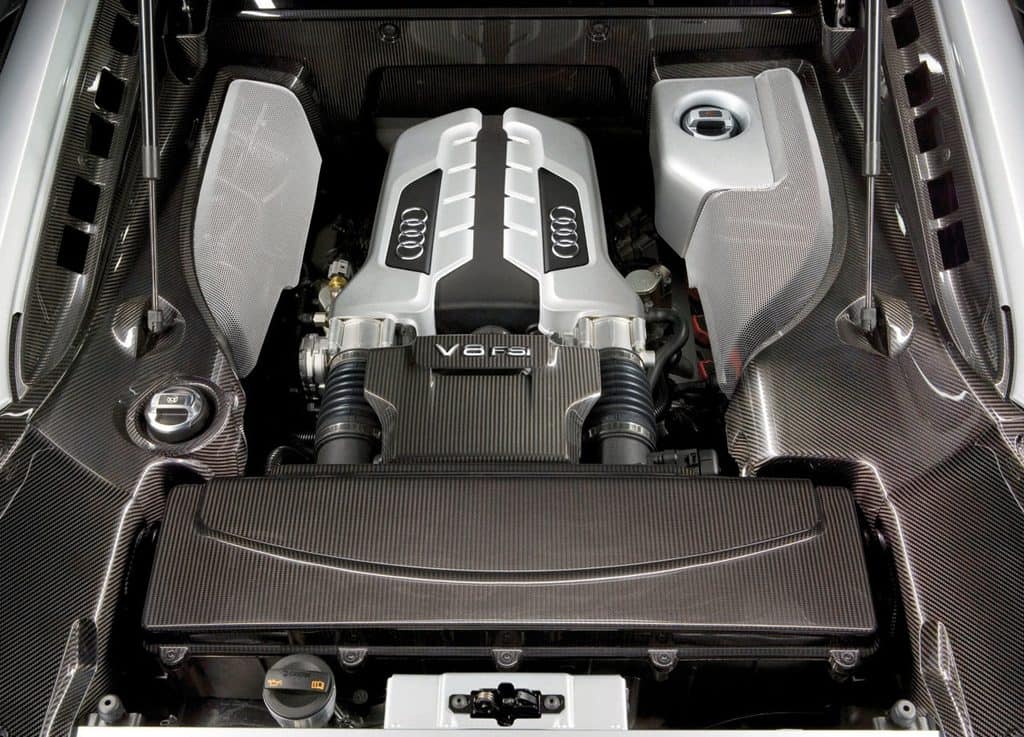
The first-generation V8 deserves consideration on its own merits. Its appeal includes the original design, a naturally aspirated eight-cylinder engine, and the availability of an open-gate manual shifter.
The V10 brings a different soundtrack and stronger performance. For buyers whose dream R8 has always involved ten cylinders, buying a V8 solely because it costs less may leave that wish unresolved.
Representative U.S. specifications illustrate the differences:
| Model | Engine | Published horsepower |
|---|---|---|
| 2008 R8 V8 | 4.2-liter naturally aspirated V8 | 420 hp |
| 2014 R8 V8 | 4.2-liter naturally aspirated V8 | 430 hp |
| 2014 R8 V10 | 5.2-liter naturally aspirated V10 | 525 hp |
| 2014 R8 V10 plus | 5.2-liter naturally aspirated V10 | 550 hp |
| Second-generation R8 GT | 5.2-liter naturally aspirated V10 | 602 hp |
These are specific examples, rather than specifications for every R8 carrying those badges. Always verify the model year, market, and original equipment of the individual car. European PS figures and U.S. horsepower ratings can also differ.
Our buying advice: drive both engines if you are undecided. Choose the experience you want, then find the best-documented example your budget supports.
Manual, R tronic, or S tronic
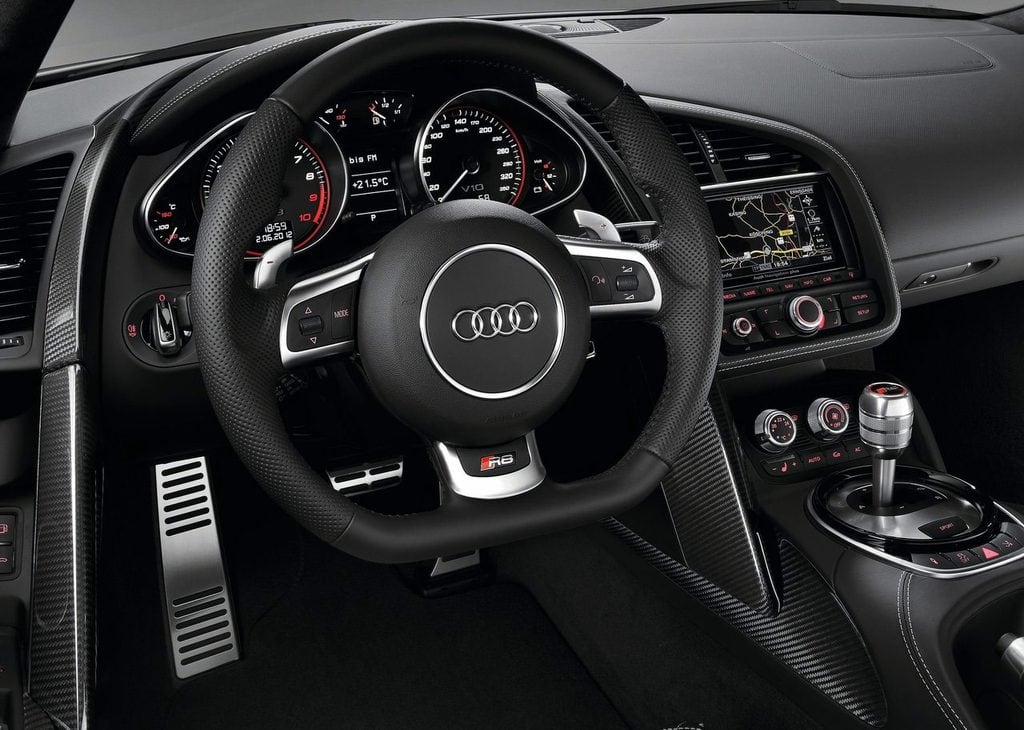
The transmission can influence your enjoyment as much as the engine.
| Transmission | How it works | What buyers should know |
|---|---|---|
| Six-speed gated manual | Driver-operated clutch and manual gear selection | Prioritize clutch condition, shift quality, and proof of factory configuration |
| R tronic | Single-clutch automated manual | Experience its shifting behavior before buying; request a specialist assessment of the clutch and operating system |
| Seven-speed S tronic | Dual-clutch transmission | Check engagement and shifting both cold and fully warm, along with the relevant service records |
The facelifted U.S. 2014 R8 offered S tronic alongside the manual. The second generation used S tronic without a factory manual option.
A manual conversion requires additional scrutiny. Ask for the original build information, conversion invoices, parts documentation, and details of who performed the work. Compare its value with other converted cars before treating it as equivalent to a factory manual.

Coupe or Spyder
A coupe suits buyers who prefer the fixed-roof profile and enclosed cabin. A Spyder adds open-air driving and a different way to experience the engine.
Let your intended use guide the decision. Try the seating position, bring your usual weekend luggage, and check visibility before committing.
On a Spyder, operate the roof through a complete cycle according to the owner’s instructions. Inspect the fabric, seals, rear window, and storage area, and look for water staining or evidence of previous leaks. A working roof on the day of sale still deserves a detailed inspection.
Quattro or Rear-Wheel Drive
The R8 name does not automatically mean all-wheel drive. Audi introduced the RWS as a rear-wheel-drive version, followed by additional RWD models.
Both layouts deserve a test drive if you are shopping the second generation. Consider how and where you will use the car, including your climate and driving experience. Tires remain essential to braking and cornering regardless of which wheels receive power.
Special editions worth knowing
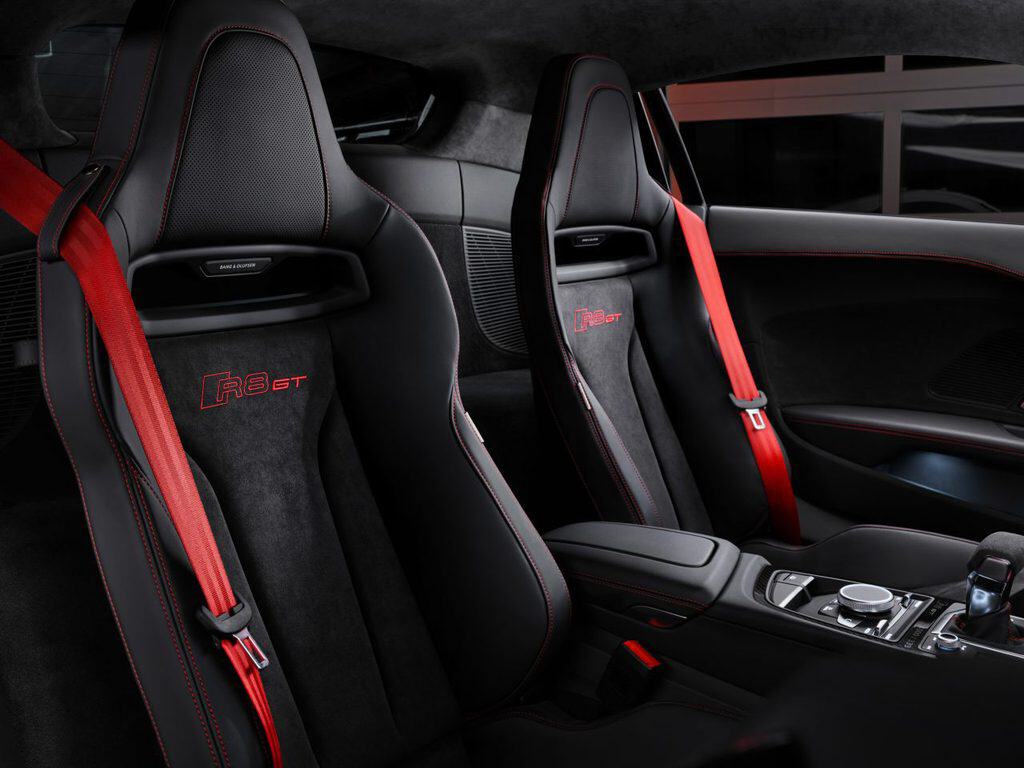
Buyers exploring limited-production R8s will encounter several important names:
- First-generation GT and GT Spyder: More focused versions with weight reduction and distinctive aerodynamic equipment.
- RWS: An early rear-wheel-drive R8 offering.
- Decennium: A special edition celebrating ten years of the R8 V10.
- Second-generation GT: A rear-wheel-drive finale with 602 horsepower in U.S. specification.
Audi documents these editions in its R8 heritage material.
For any special edition, authenticate the car through its VIN, factory equipment record, and original paperwork. A wing, badge, or wheel package does not establish its identity. Confirm that model-specific components remain with the car and inspect their condition carefully.
What does an Audi R8 cost?
There is no single useful price for “an Audi R8.” Engine, transmission, mileage, specification, modifications, history, and condition can produce substantial differences.
These individual U.S. auction results show that spread:
| Vehicle | Auction date | Reported winning bid |
|---|---|---|
| Modified 2008 R8 V8 R tronic coupe | June 10, 2026 | $43,000 |
| 18,000-mile 2008 R8 V8 six-speed coupe | September 1, 2026 | $95,500 |
| 28,000-mile 2012 R8 V10 six-speed coupe | July 7, 2026 | $141,000 |
| 2017 R8 V10 Plus coupe | June 23, 2026 | $154,000 |
These are individual transactions, not a market valuation or a controlled comparison of transmission premiums. The figures exclude buyer fees, taxes, transportation, and subsequent work.
When evaluating an asking price, compare completed sales of closely matched cars. Read the inspection reports, disclosures, and service histories behind those results. Two listings with the same year and mileage may represent very different purchases.
Start with the service history
Request records before traveling to see the car. A useful file should identify dates, mileage, work performed, and the servicing shop.
Look for:
- Oil and filter services.
- Transmission and driveline services appropriate to the specific car.
- Brake-fluid changes and scheduled maintenance.
- Clutch, suspension, cooling-system, and air-conditioning work.
- Tire and brake replacements.
- Accident repairs and modifications.
- Supporting invoices for major claims in the advertisement.
Have an Audi dealer or R8 specialist compare the records with the maintenance schedule for that VIN. Avoid applying one universal service interval to every generation and transmission.
Low mileage should prompt questions about storage and time-based maintenance. A car driven sparingly still ages.
The pre-purchase inspection that matters
Arrange an independent inspection with a shop that regularly works on the relevant R8 generation. Agree on its scope in advance, including a lift inspection, diagnostic scan, road test, photographs, and written findings.
An R8-specific inspection service includes fluid leaks, cooling, brakes, tires, underbody condition, suspension, factory diagnostics, and a road test—useful foundations for your own inspection brief.
Give these areas particular attention:
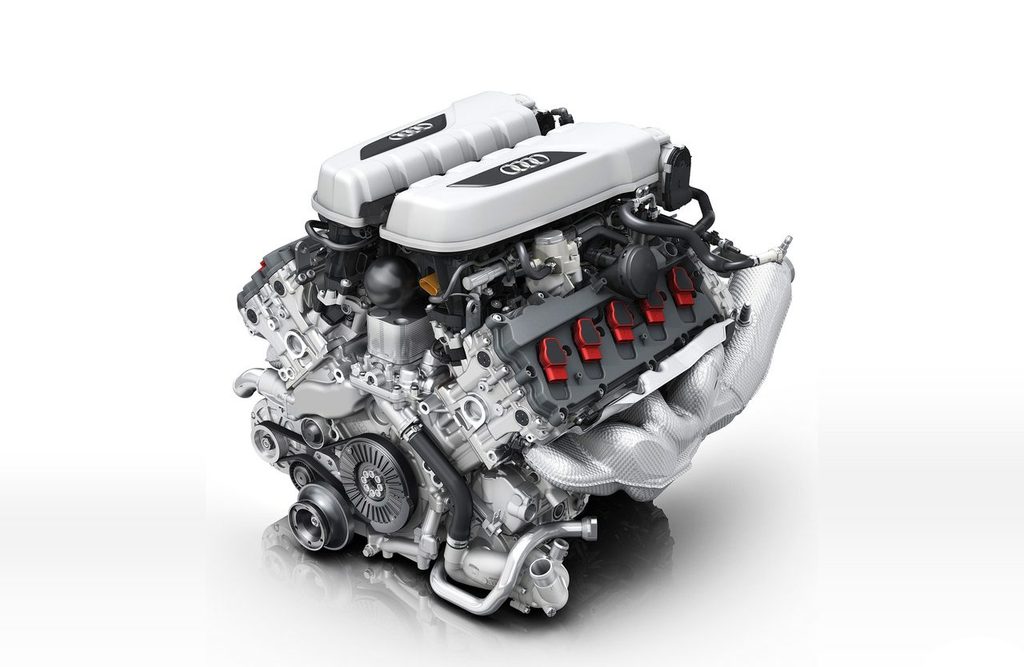
Engine operation and carbon deposits
Request a genuine cold start. Watch for persistent smoke, warning lights, uneven running, or unusual mechanical noise. Have the inspector investigate symptoms rather than accepting a seller’s explanation.
Intake-valve carbon deposits deserve consideration on relevant direct-injection engines. Specialists document this issue on both 4.2-liter FSI applications and earlier R8 V10s. Cleaning should follow an assessment of the particular engine, rather than an assumed mileage rule.
Compression testing, leak-down testing, or a borescope examination may be appropriate when symptoms, history, or the inspector’s findings justify them. Establish whether those procedures are included or cost extra.
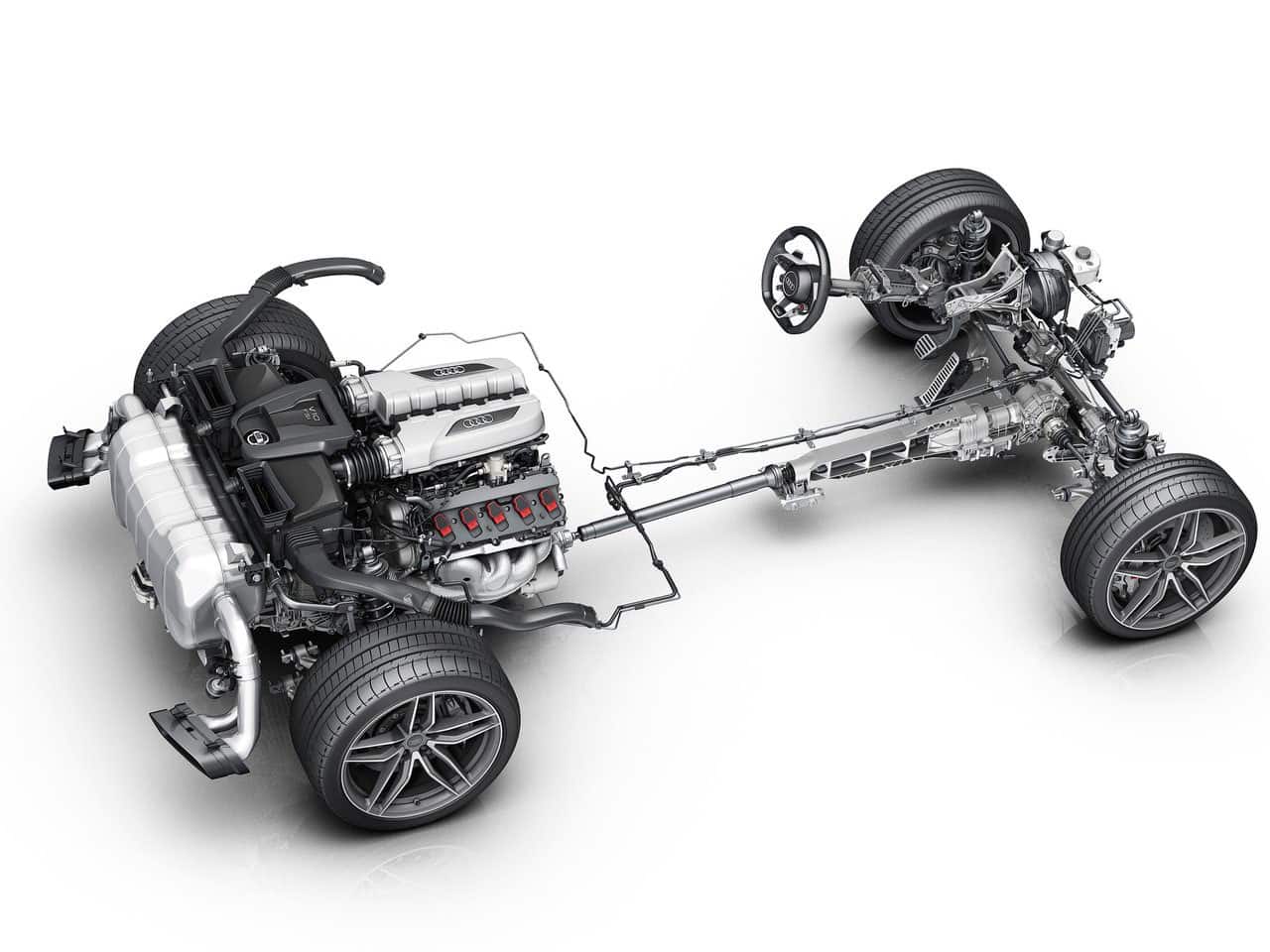
Clutch and transmission
On a manual car, assess clutch engagement, slipping, gear selection, and abnormal noise.
For R tronic, ask the specialist to evaluate clutch operation and the automated shifting system. For S tronic, check reverse engagement, low-speed behavior, upshifts, and downshifts after the car reaches operating temperature.
Diagnostic data needs expert interpretation. A single clutch reading should not be presented as a guaranteed number of miles remaining.
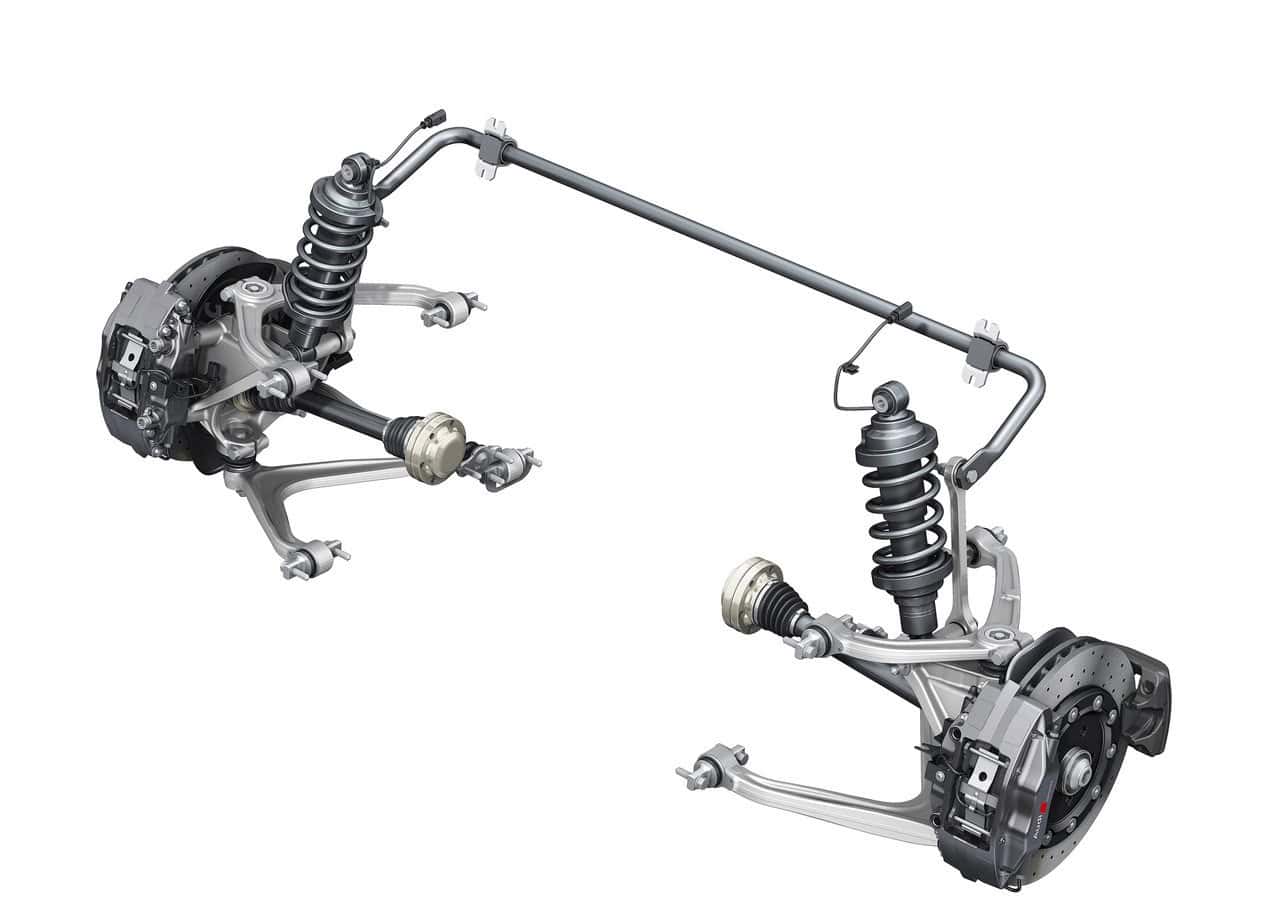
Suspension and steering
Have the inspector identify the installed suspension, check for damper leakage, inspect joints and bushings, and investigate warning messages or uneven tire wear.
If the car has aftermarket suspension, obtain installation records and alignment information. Ask whether its electronic damping system was altered and whether the original components are included.
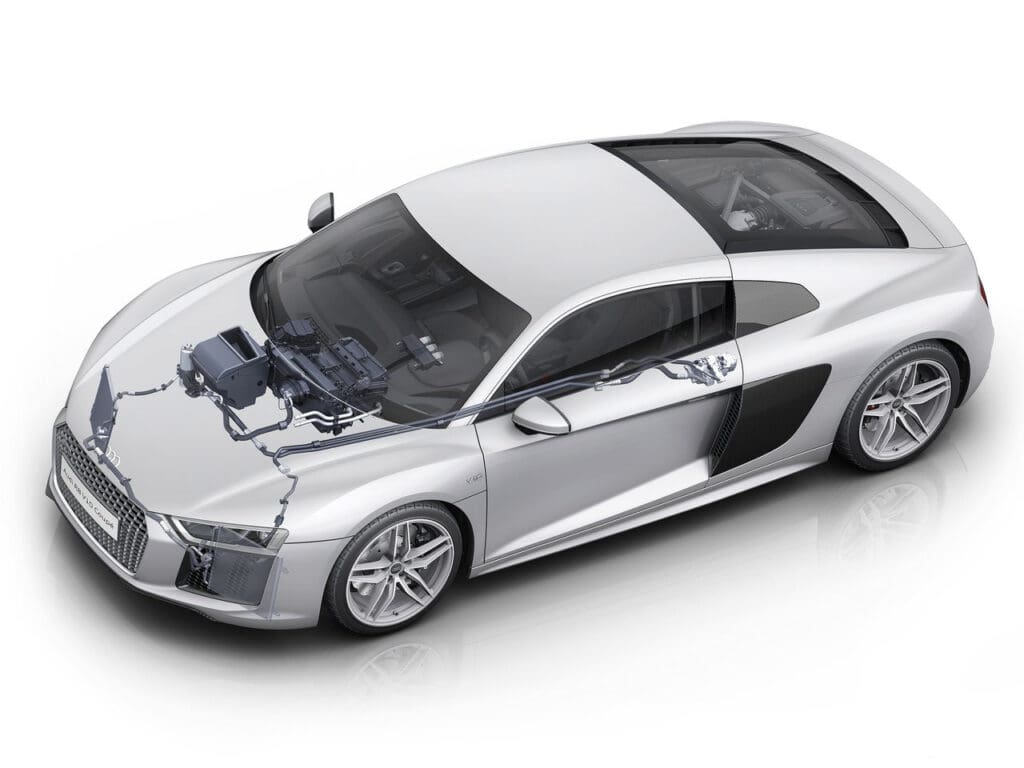
Air conditioning
Test cooling at idle and during the drive. Warm air should receive a proper diagnosis.
Owners document compressor failures and explains that access differs between versions: V10 replacement can be performed without removing the engine, while some V8 work may require engine removal. The scope can also include flushing contamination from the system. Get a written estimate for the exact car before accepting a price adjustment.
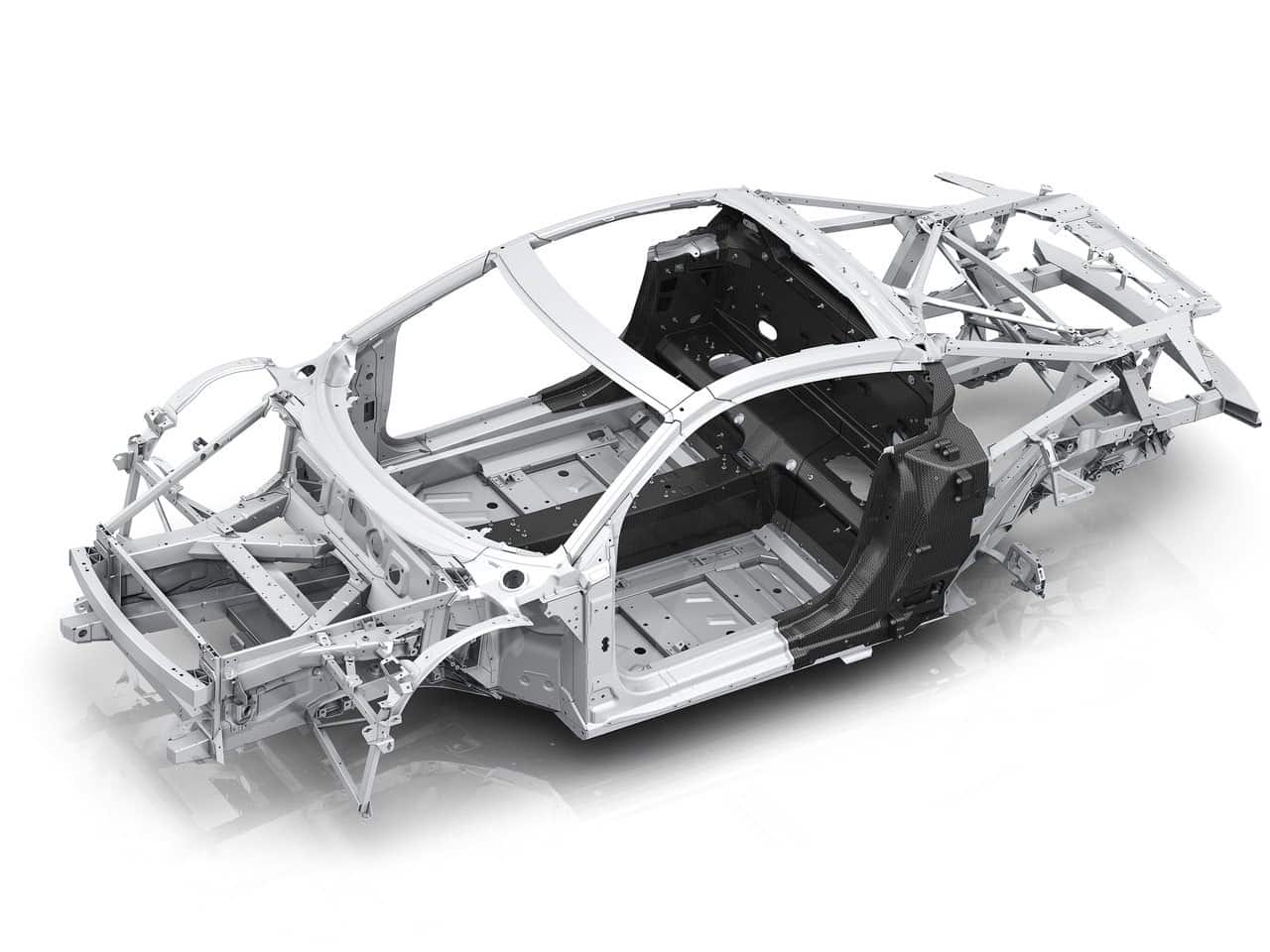
Structure and previous repairs
Inspect the underbody, suspension mounting areas, front structure, panel alignment, and evidence of collision repair.
Early first-generation cars warrant particular attention around the front suspension structure. Owner-documented examples show cracking in this area, making an informed inspection important; those examples do not establish how frequently the problem occurs.
Any suspected crack, deformation, or undocumented structural repair requires assessment by a qualified structural repair specialist before purchase. A clean vehicle-history report cannot establish that the structure is undamaged.
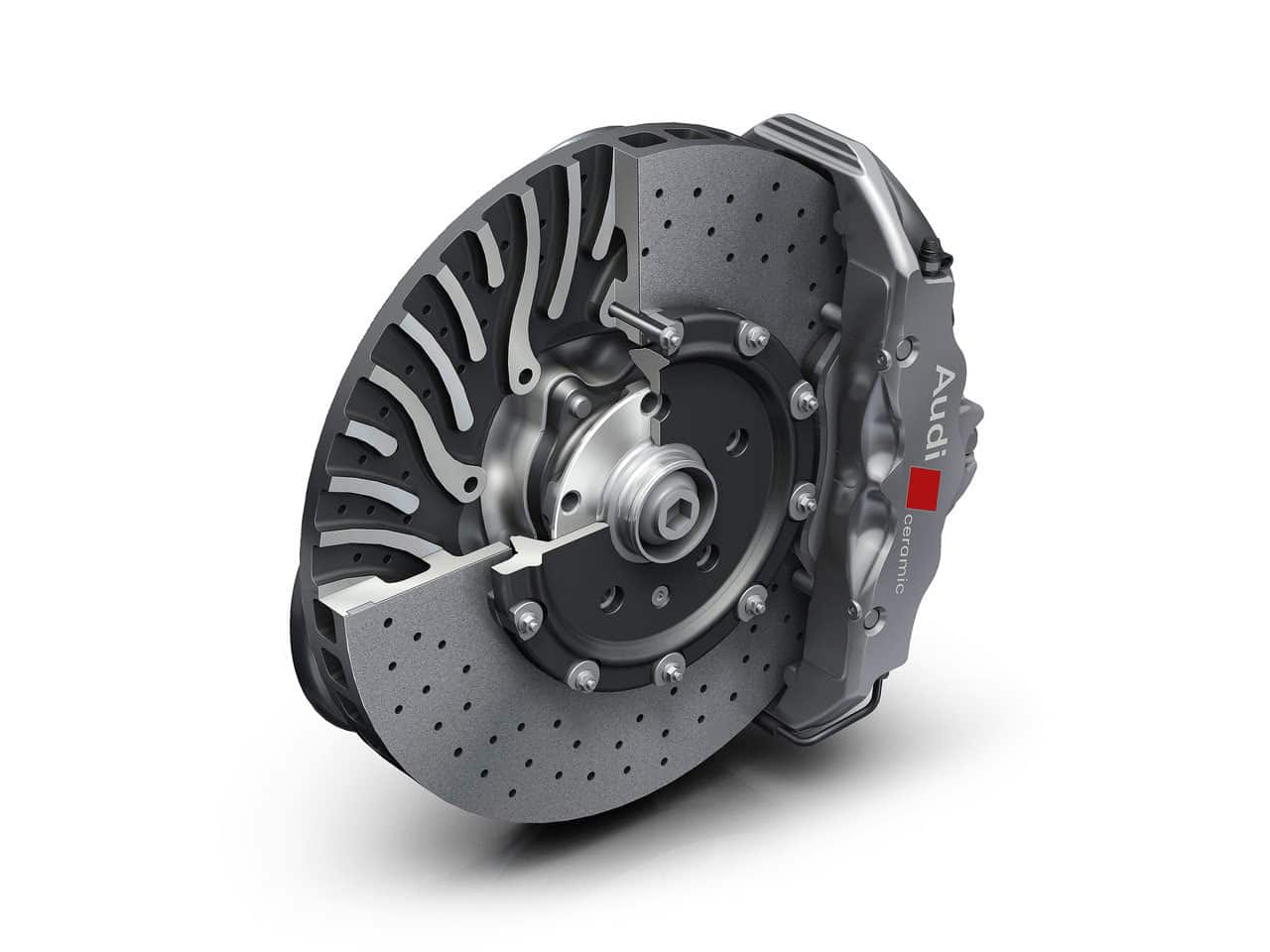
Brakes, tires, and wheels
Identify whether the car has steel or carbon-ceramic brakes. Request a condition assessment and replacement estimate appropriate to the installed system. Ceramic discs require evaluation using the manufacturer’s procedures and limits.
Check tire age, tread, sidewalls, correct sizes, and uneven wear. Inspect wheels for bends, cracks, and repairs. Build any necessary replacements into the purchase budget.
Cooling, electronics, and interior
Inspect radiators and cooling components for damage or leaks, then verify stable operating temperatures.
Test the air conditioning, windows, mirrors, seat adjustments, lighting, parking sensors, camera, infotainment, and instrument displays. Small faults can become a substantial list when several require attention.
Recalls and service campaigns
Run the VIN through Audi’s recall and service campaign lookup and ask a dealer to confirm completion records. Audi notes that its online lookup covers customer notifications within the last 15 years, so older cars may require additional dealer research.

Should you buy a modified R8?
Evaluate modifications as part of the car’s history, rather than assuming they add their purchase cost to its value.
An exhaust, suspension conversion, ECU tune, supercharger, or twin-turbo system raises different questions. Ask who installed it, what supporting work was completed, how the car was maintained afterward, and whether the original parts are available.
For heavily modified cars, use an inspector familiar with that particular setup. Confirm insurance acceptance, registration requirements, and financing eligibility before committing.

Budget for ownership beyond the payment
Build your ownership budget before negotiating.
| Cost | What to establish |
|---|---|
| Insurance | A written quote for the exact VIN and intended use |
| Scheduled servicing | A local estimate based on the car’s maintenance schedule |
| Immediate work | Written estimates arising from the inspection |
| Tires and brakes | Replacement costs for the installed equipment |
| Unexpected repairs | A separate reserve beyond the purchase and down payment |
| Taxes and purchase fees | The complete amount due at closing |
| Transportation and storage | Delivery, parking, and storage arrangements |
Ask the inspector to separate immediate repairs from work likely to become due during your ownership. That distinction helps you negotiate and plan.
The lowest asking price may offer poor value once overdue servicing and repairs are included. Compare the total cost of bringing each candidate to the condition you want.

Financing your Audi R8 with Woodside Credit
A carefully chosen financing plan can help you purchase the R8 you want while preserving cash for maintenance and other priorities.
Woodside Credit specializes in exotic and collector vehicle financing, offering terms up to 180 months for qualifying purchases, with no balloon payments and no prepayment penalties. Available terms depend on the vehicle, transaction, and borrower qualifications.
Start by discussing the specific car and your intended down payment with a Woodside Credit loan consultant. Establish your financing parameters before making an offer or bidding.
Consider the complete repayment schedule alongside the monthly payment. A longer term can lower the required monthly payment. Choose a structure that supports your ownership plans and leaves an adequate repair reserve.
You can begin through Woodside Credit’s exotic car financing page.
Your Audi R8 purchase checklist
Before completing the purchase:
- Verify the VIN, model, transmission, factory specification, and seller’s ownership.
- Review maintenance invoices, vehicle history, and modification records.
- Obtain an independent inspection with written findings.
- Price the immediate repairs and upcoming maintenance.
- Compare recent sales of similarly configured cars.
- Confirm insurance and financing for the exact vehicle.
- Resolve any lien and title-transfer requirements.
- Document the agreed price, included equipment, and purchase conditions.
- Arrange payment, delivery, and insurance activation.
- Schedule any necessary baseline service.
Find the R8 you will want to drive
The right Audi R8 depends on what draws you to it: the gated shifter of a first-generation manual, the character of a V8, the sound of a V10, or the open-air experience of a Spyder.
Choose that experience deliberately. Then buy on condition, documentation, and a thorough inspection.
When you’ve found your car, connect with Woodside Credit to explore financing for your Audi R8.