

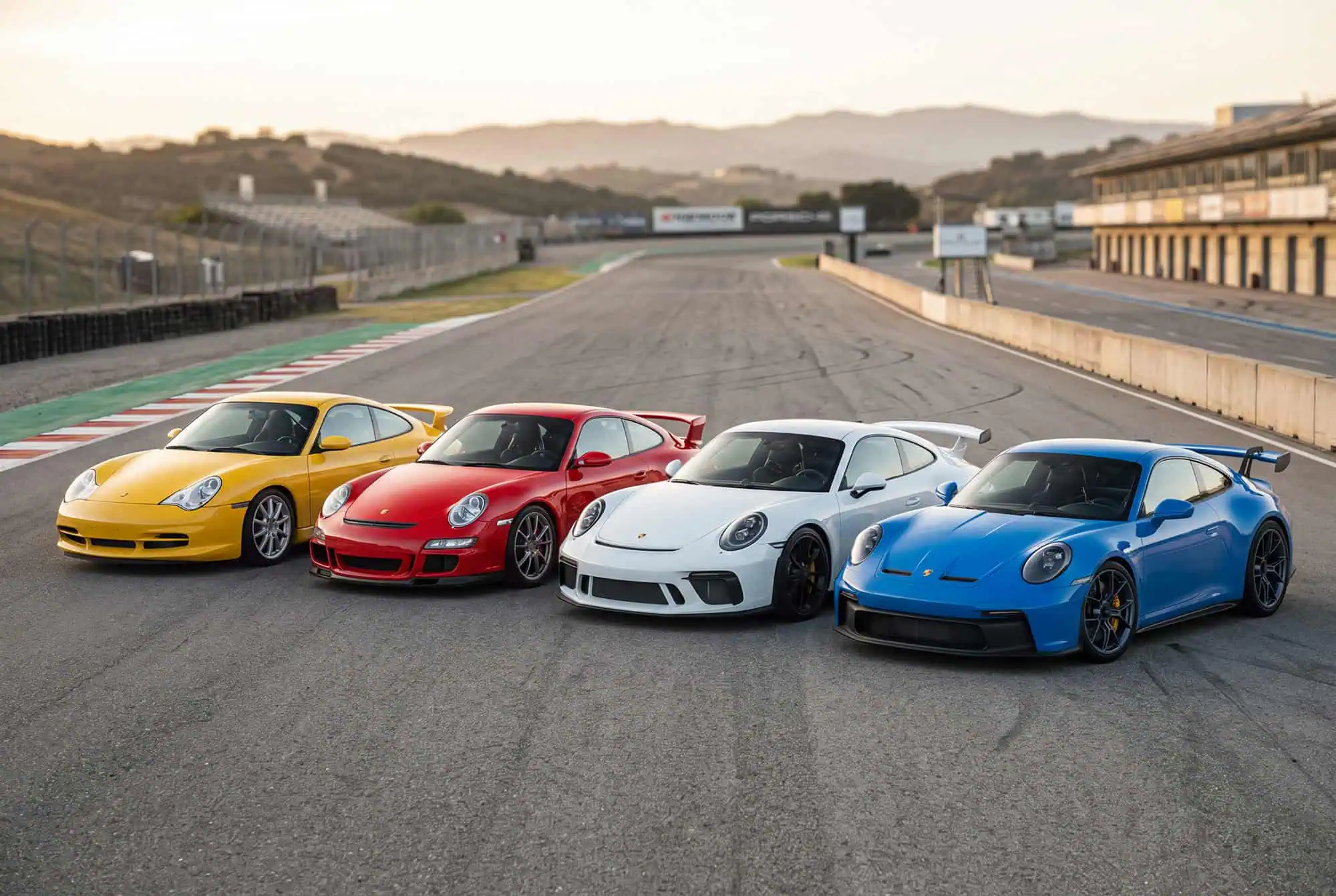
Every generation, key model years, GT3 RS, Touring, and what to look for before you buy
Few cars turn a drive into an occasion quite like a Porsche 911 GT3. The engine rewards every climb through the rev range, the steering invites another corner, and the connection to Porsche’s racing heritage runs deeper than a badge or a rear wing.
But buying the right GT3 takes more than choosing a color and finding the lowest mileage. Across more than 25 years, Porsche has transformed the model from a relatively simple, manual-only sports car into a sophisticated performance machine available in several distinctly different forms.
An early 996 GT3, a 997 GT3 RS, a manual 991.2 Touring, and a modern 992 GT3 each offer a different ownership experience. Understanding those differences—and knowing what deserves closer inspection—can help you find the Porsche that belongs in your garage.
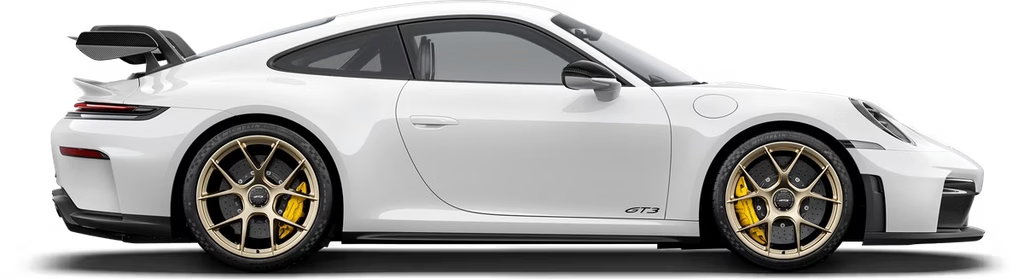
Understanding the Porsche GT3 family
The road-going GT3 formula centers on a high-revving, naturally aspirated flat-six engine and a chassis developed with substantial motorsport influence. The first production model debuted in 1999, establishing a lineage that continues through the current 992 generation.
Before comparing individual cars, understand the main versions:
| Version | What it offers | What buyers should consider |
|---|---|---|
| GT3 | The core combination of road usability and track capability | A strong starting point for buyers who want both weekend drives and occasional track days |
| GT3 Touring | GT3 performance with a more understated exterior and an automatically deploying rear spoiler | Touring retains the GT3’s serious performance character; it is not simply a comfort package |
| GT3 RS | Greater emphasis on track performance through chassis, aerodynamic, and lightweight development | Extra capability can bring higher consumable and repair costs |
| GT3 RS 4.0 | The limited-production finale of the 997 GT3 RS lineage | Authentication, originality, and provenance warrant especially close attention |
| GT3 S/C | The newly introduced open-top member of the GT3 family | A manual-only alternative for buyers prioritizing open-air driving |
GT3 Cup and GT3 R models are competition cars. Their maintenance requirements, registration possibilities, and ownership costs differ substantially from those of a street GT3. Verify exactly what you are buying.
Porsche GT3 generations and model years at a glance
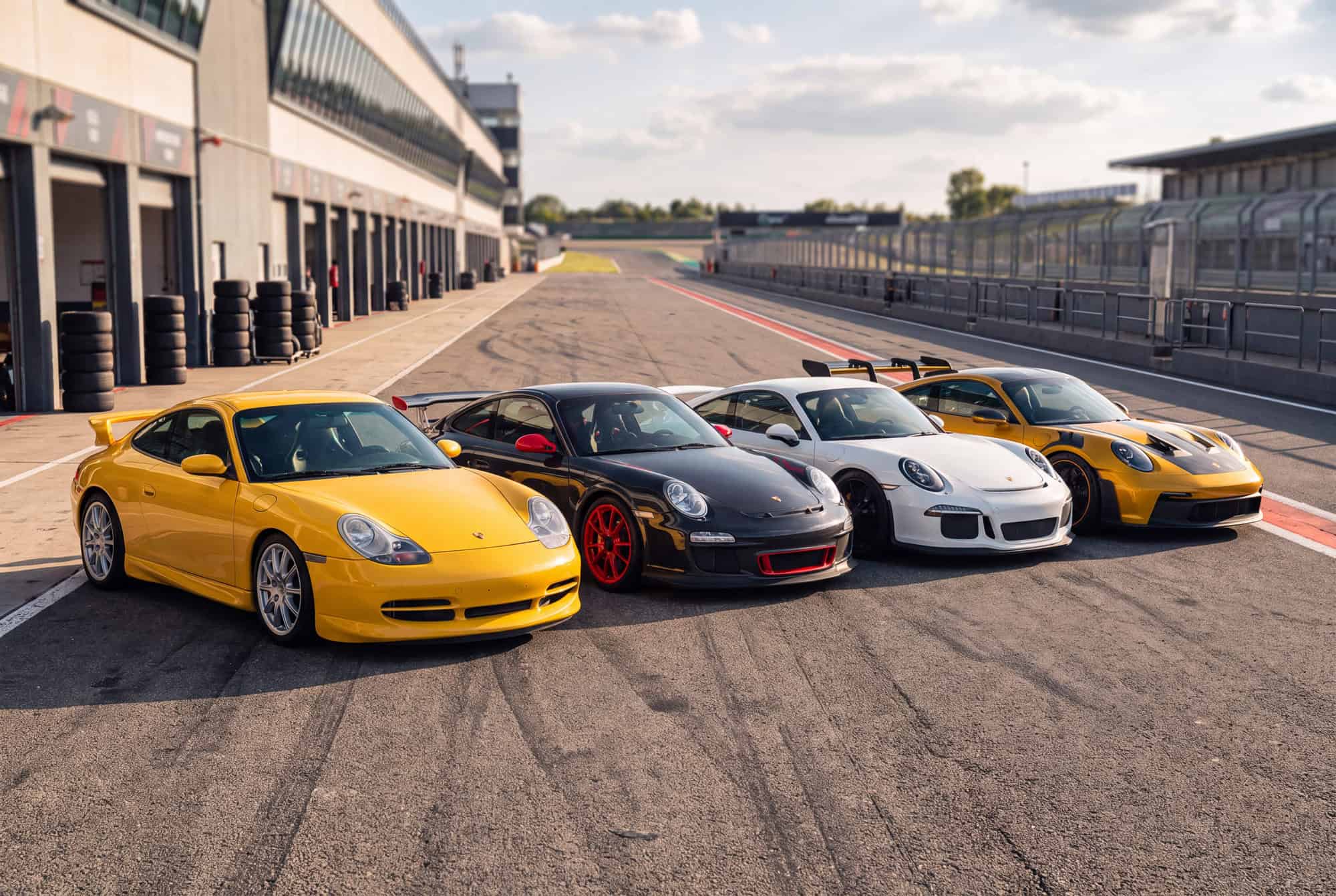
Porsche’s launch dates, production dates, and advertised model years do not always align across countries. The periods below describe the main global generations; verify a specific car’s model year, original market, and specification through its VIN and factory records.
Power figures use Porsche’s metric horsepower rating, PS, for consistency. U.S. advertised horsepower can differ.
| Generation | Main global period | Engine | Power | Transmission |
|---|---|---|---|---|
| 996.1 GT3 | 1999–2001 | 3.6-liter flat-six | 360 PS | Six-speed manual |
| 996.2 GT3 | 2003–2005 | 3.6-liter flat-six | 381 PS | Six-speed manual |
| 997.1 GT3 | 2006–2009 era | 3.6-liter flat-six | 415 PS | Six-speed manual |
| 997.2 GT3 | 2009–2011 era | 3.8-liter flat-six | 435 PS | Six-speed manual |
| 991.1 GT3 | 2013–2016 era | 3.8-liter flat-six | 475 PS | Seven-speed PDK |
| 991.2 GT3 | 2017–2019 era | 4.0-liter flat-six | 500 PS | Six-speed manual or seven-speed PDK |
| 992.1 GT3 | 2021–2024 era | 4.0-liter flat-six | 510 PS | Six-speed manual or seven-speed PDK |
| 992.2 GT3 | Introduced in 2024 for the 2025 model year | 4.0-liter flat-six | 510 PS | Six-speed manual or seven-speed PDK |
The major milestones are clear: the 997 added adaptive damping, the 991 introduced PDK and rear-wheel steering, the 991.2 brought back the manual and introduced Touring, and the 992 added double-wishbone front suspension.
For U.S. shoppers, useful reference points include the arrival of the 996 GT3 for 2004, the 997 GT3 for 2007, the 997.2 for 2010, and the 991 GT3 for 2014. A listing’s year alone is insufficient to establish its generation or equipment.
996 GT3 buying guide
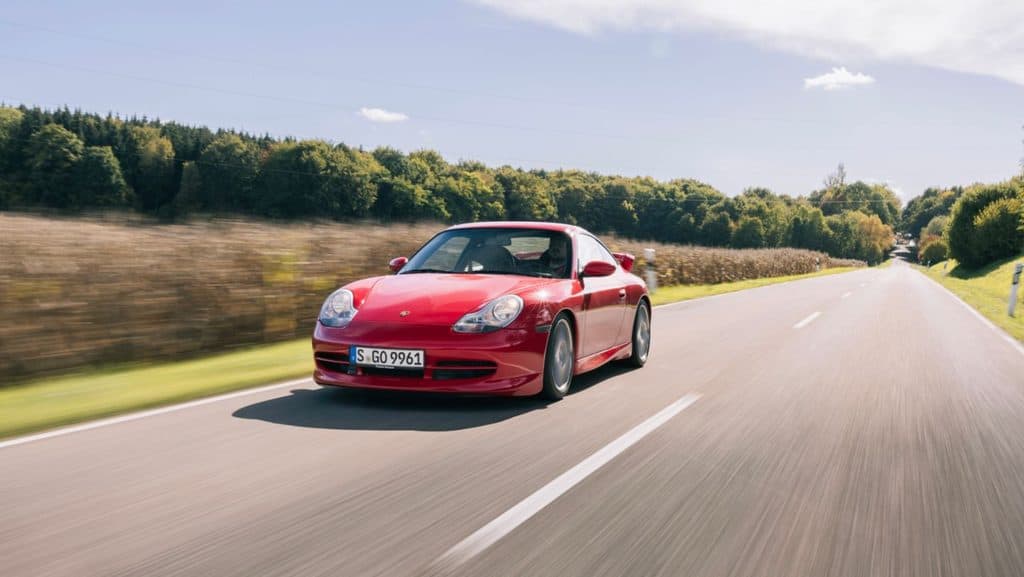
The original GT3 experience
The 996 GT3 introduced the essential character that still defines the model: a naturally aspirated engine, a manual transmission, and a strong connection between driver and chassis.
The original 996.1 debuted in 1999. The updated 996.2 arrived in 2003 with revised styling and increased output, and it became the first GT3 officially offered to U.S. customers.
For buyers who appreciate relatively compact dimensions and a less electronically mediated driving experience, the 996 deserves serious consideration.
What to inspect
At this age, condition and maintenance deserve more attention than the odometer alone.
Have a Porsche GT specialist inspect:
- Cooling-system condition and evidence of leaks.
- Engine and transmission leaks.
- Clutch operation and gearbox synchros.
- Suspension dampers, bushings, joints, and mounts.
- Underbody damage and signs of previous collision repair.
- Brake condition and tire age.
- Original equipment and the quality of modifications.
The GT3’s Mezger-family engine is different from the engine in a standard contemporary Carrera. Buying advice about a regular 996 Carrera should not automatically be applied to a GT3.
For a U.S. purchase of a non-U.S.-market car, verify importation, registration, and emissions eligibility before committing.
The 996 GT3 RS
Introduced in 2003, the first GT3 RS added a more focused interpretation of the formula. Its distinctive white bodywork and contrasting graphics remain defining features of the early RS identity.
For buyers considering one today, factory specification and provenance are central. Replacement body panels, repainting, and missing original components should be evaluated in the context of the asking price.
997 GT3 buying guide
Manual shifting and hydraulic steering
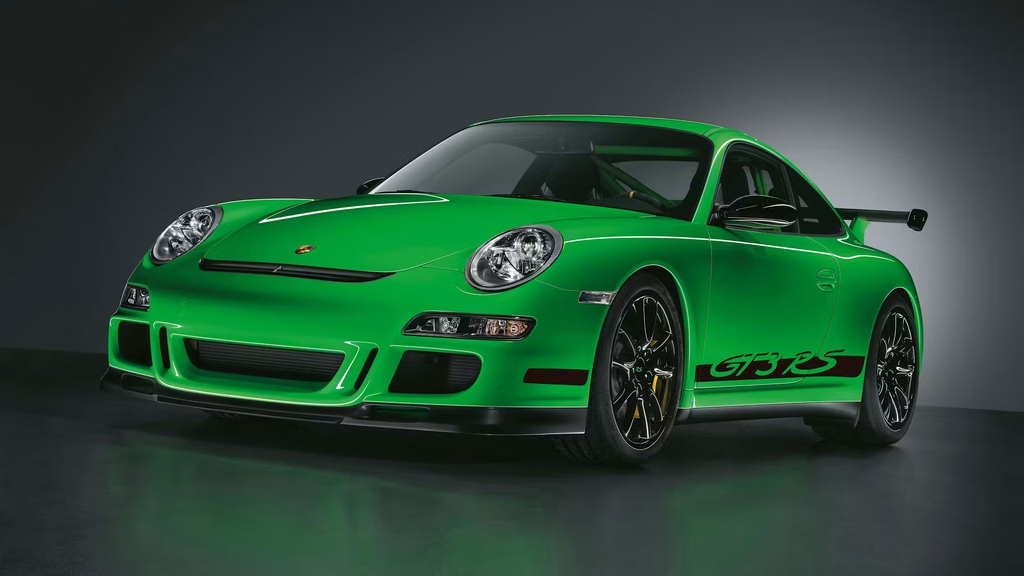
The 997 is especially appealing to buyers seeking a traditional GT3 experience with meaningful advances in chassis technology.
The 997.1 retained a 3.6-liter engine and introduced Porsche Active Suspension Management to the GT3. The 997.2 increased displacement to 3.8 liters and brought features including center-lock wheels and an available front-axle lift system.
Both generations use a six-speed manual transmission. Choosing between them often comes down to budget, specification, and the condition of the individual car.
What to inspect
Cooling-system history deserves attention. Bonded coolant fittings on certain earlier Porsche engines were the subject of an NHTSA investigation, which identified an elevated failure rate in a subset of early 997 production. Ask a specialist to inspect the system and assess any documented repairs or preventive work.
Also check:
- Gearbox operation when cold and fully warm.
- Clutch condition.
- Engine mounts and suspension wear.
- Front lift operation, where fitted.
- Center-lock wheel hardware and servicing history, where applicable.
- Evidence of track use, including underbody wear and heat-affected components.
Ask for a diagnostic report that includes operating hours, stored faults, and available over-rev data. A qualified specialist should interpret the results in the context of the engine, mileage, and service history.
The 997 GT3 RS models
The 997 RS family includes three important versions:
| Model | Engine | Power | Main distinction |
|---|---|---|---|
| 997.1 GT3 RS | 3.6 liters | 415 PS | A lighter, more focused development of the early 997 GT3 |
| 997.2 GT3 RS 3.8 | 3.8 liters | 450 PS | Greater output and further chassis development |
| 2011 GT3 RS 4.0 | 4.0 liters | 500 PS | Limited to 600 vehicles |
All three use a manual transmission. The RS 4.0 marked the final development of the Mezger-powered GT3 RS and carries particular historical significance within the family.
On an RS 4.0, commission an inspection that addresses authenticity as well as mechanical condition. Confirm the engine identity, factory build specification, ownership records, and any repairs or replacement components.
991.1 GT3 buying guide

The move to PDK
Introduced for the 2014 U.S. model year, the 991.1 GT3 represented a substantial change. Its 3.8-liter engine was paired exclusively with a seven-speed PDK dual-clutch transmission, while rear-wheel steering expanded its handling capabilities.
For buyers who prefer rapid shifts and a more modern platform, this generation deserves a place on the shopping list.
Engine history is essential
Porsche announced an engine replacement program for 2014 GT3 models after identifying a connecting-rod fastener issue. Recall documentation specifies engine replacement and associated updates.
Before buying, obtain:
- Confirmation of completed recalls and campaigns.
- Engine replacement invoices, if applicable.
- The installed engine’s identification and repair history.
- A current diagnostic inspection.
- Written confirmation of any remaining warranty coverage.
Do not assume an older engine warranty remains active because it appears in a previous listing or forum discussion. Have a Porsche Center verify the specific VIN and in-service date.
The 991.1 GT3 RS
The first 991 GT3 RS arrived in 2015, including as a 2016 U.S. model. It used a 4.0-liter engine rated at 500 PS and PDK, with further emphasis on lightweight construction and track performance.
Inspect its engine history independently. A standard GT3’s records and an RS’s records are not interchangeable.
991.2 GT3 buying guide
The manual returns
The 991.2 combines a 4.0-liter engine with a choice of manual or PDK transmission. It also introduced the GT3 Touring package, which replaced the fixed rear wing with a more discreet automatically extending spoiler. The original 991.2 Touring was manual-only.
For a buyer seeking a road-focused specification, a manual GT3 or Touring is a compelling place to start. For frequent circuit use, PDK deserves equal consideration.
What to inspect
Focus on engine health, service records, gearbox operation, and the cost of worn consumables.
Look closely at:
- Front lift functionality.
- Rear-wheel steering faults.
- Center-lock wheels and hardware.
- Carbon bucket seat condition, if fitted.
- Brake rotor condition.
- Aftermarket exhausts, software changes, and suspension modifications.
A higher-mileage example with consistent maintenance can be a more sensible purchase than a lower-mileage car with incomplete records.
The 991.2 GT3 RS
The updated RS launched in 2018, including as a 2019 U.S. model, with 520 PS and PDK. An available Weissach package added further lightweight equipment.
Verify the actual option list. Weissach equipment and optional magnesium wheels should be confirmed separately rather than assumed from photographs or a seller’s shorthand.
992.1 GT3 buying guide
A major chassis advance
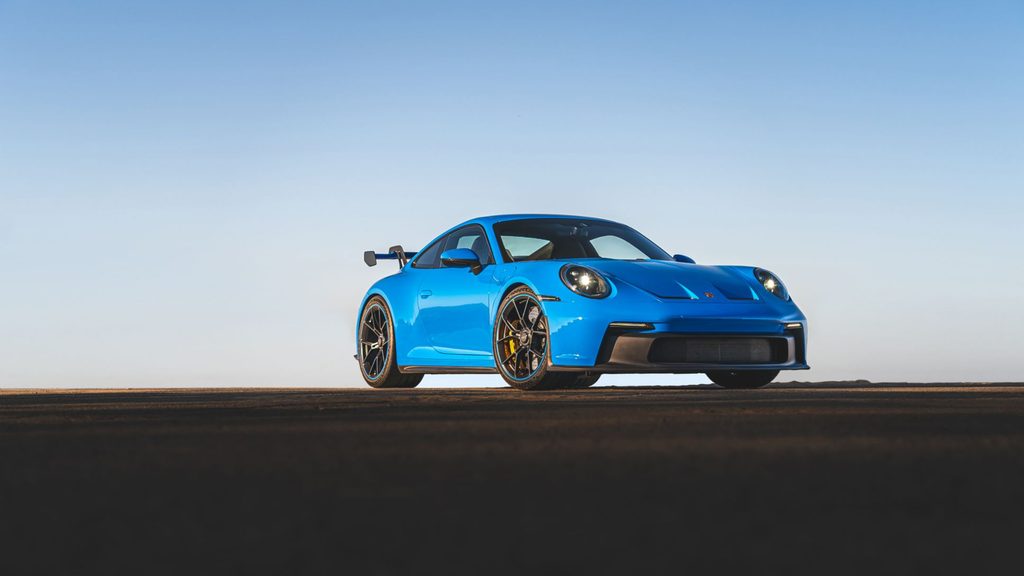
The 992.1 introduced double-wishbone front suspension to the road-going GT3, along with its distinctive swan-neck rear wing. The 4.0-liter engine produced 510 PS, advertised as 502 hp in the United States. Manual and PDK transmissions were available, including on the Touring.
The performance is substantial, but the buying decision still benefits from everyday questions: Can you comfortably enter the seats? Will the nose clear your driveway? Does the ride suit the roads you actually drive?
What to inspect
Check the front splitter, underbody, wheels, suspension, and paint-protection film for evidence of use or repairs.
Have the inspection address:
- Front lift and electronic systems.
- Suspension alignment and uneven tire wear.
- Brake wear and tire specification.
- Software modifications.
- Accident repairs beneath cosmetic protection.
- Remaining factory or approved warranty terms.
On a recent car, low mileage should complement an inspection—not replace one.
992.2 GT3 buying guide

Refining the formula
Introduced for the 2025 model year, the 992.2 retains a naturally aspirated 4.0-liter engine producing 502 U.S. horsepower. Both manual and PDK versions receive a final-drive ratio eight percent shorter than their predecessor’s, alongside chassis and aerodynamic revisions.
Equipment choices also broadened. A Weissach package became available for the winged GT3, while the Touring gained an available Lightweight package and, for the first time, an optional rear-seat system.
For buyers comparing 2025 and later examples, verify the individual build sheet, model-year equipment, warranty start date, and total purchase price. Do not assume every Touring has rear seats or every heavily optioned GT3 has identical lightweight components.
The 2027 GT3 S/C
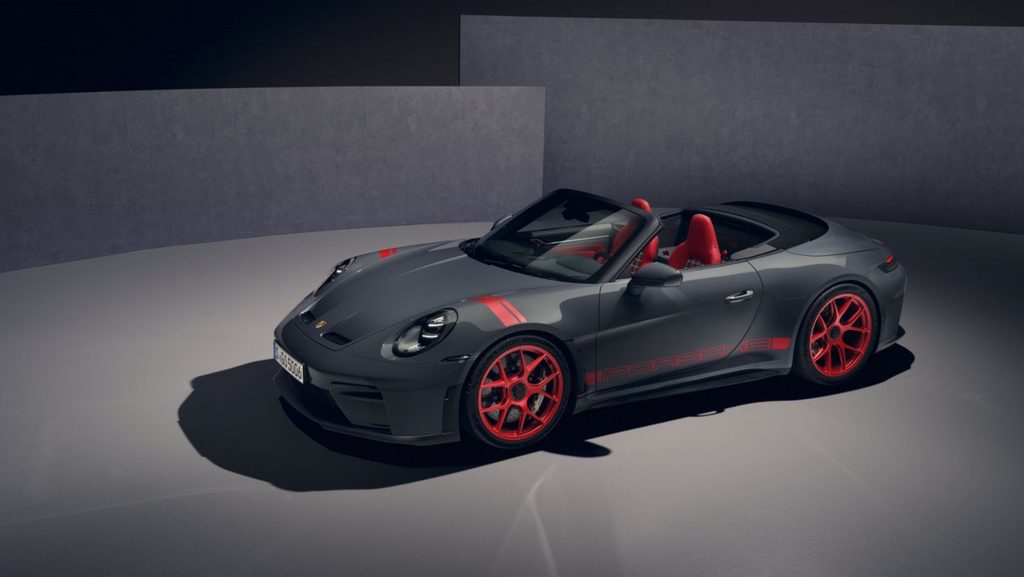
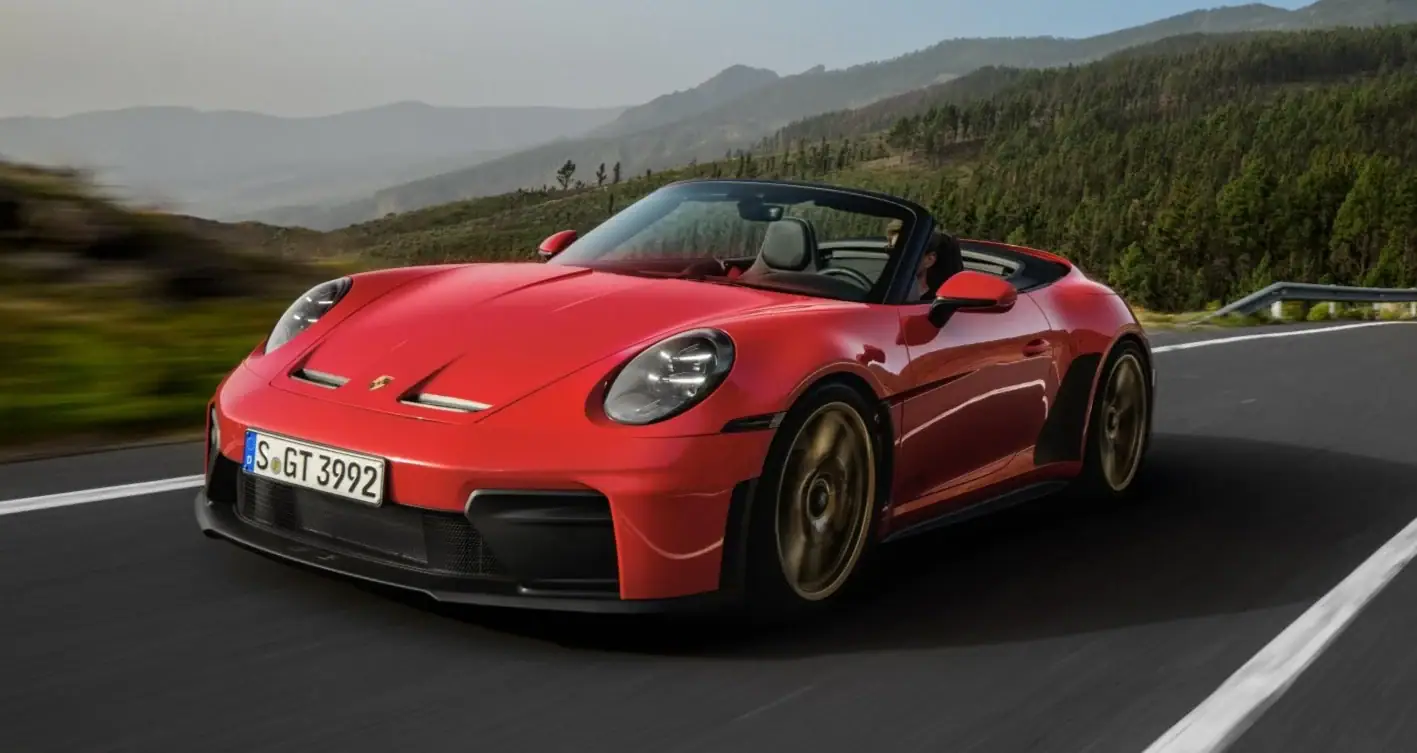
Porsche introduced the GT3 S/C in April 2026 as a 2027 U.S. model. The name stands for Sport Cabriolet.
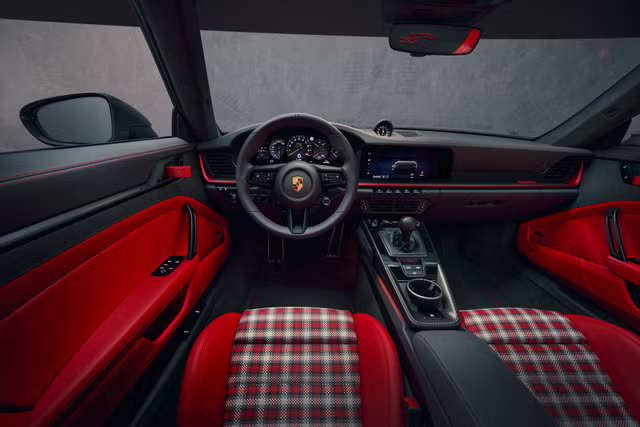
It combines the GT3’s 502-hp engine with a six-speed manual transmission, a fully automatic convertible roof, and lightweight components drawn from the 911 S/T. Porsche identifies it as a two-seater and states that it is not a limited-production model.
For buyers who want the GT3 engine experience with open-air driving, it adds a distinct option to the family.
The 90 F. A. Porsche edition

The 2027 GT3 90 F. A. Porsche commemorates the designer behind the original 911. Limited to 90 examples, it adds a collector-focused special edition to the current GT3 lineup.
Its appeal calls for the same discipline as any significant special edition: confirm the factory specification, accompanying items, provenance, and ownership documentation.
Where the 992 GT3 RS fits
Introduced for the 2023 model year, the 992 GT3 RS takes a much more aggressive approach to aerodynamic performance. Its 4.0-liter engine produces 518 U.S. horsepower, while active aerodynamic systems and a substantially different cooling arrangement reinforce its track focus.
For buyers planning frequent track days, those differences may justify the additional complexity. For weekend road driving, spend time in both a GT3 and an RS before deciding.
The RS badge should reflect how you want to use the car.
Manual or PDK
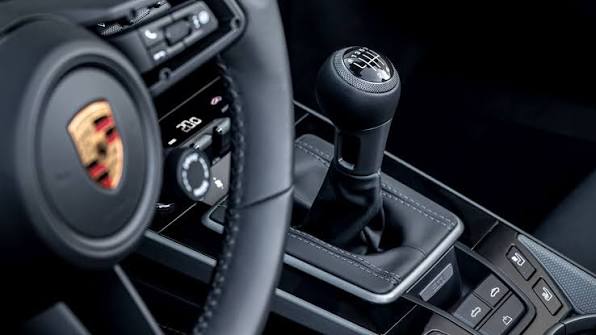
Transmission choice is one of the most important decisions in a GT3 purchase.
| Choose a manual if you prioritize | Choose PDK if you prioritize |
|---|---|
| Shifting as part of the driving experience | Fast, consistent gear changes |
| Involvement on weekend drives | Concentrating on braking and cornering |
| The character of a traditional sports car | Convenience in traffic |
| A particular manual-era model | Frequent circuit driving |
Availability depends on generation. The 996 and 997 GT3s are manual-only. The 991.1 GT3 is PDK-only. The standard GT3 regained the manual with the 991.2, while GT3 RS models from the 991 onward use PDK.
Try both where possible. The transmission that suits your driving will matter more over years of ownership than an assumed resale premium.
Options that deserve careful consideration
Front-axle lift: Test it during the inspection and consider your driveway, parking structures, and local roads.
Seats: Sit in the actual car. Bucket seats can transform the experience, but entry, exit, and long-distance comfort are personal.
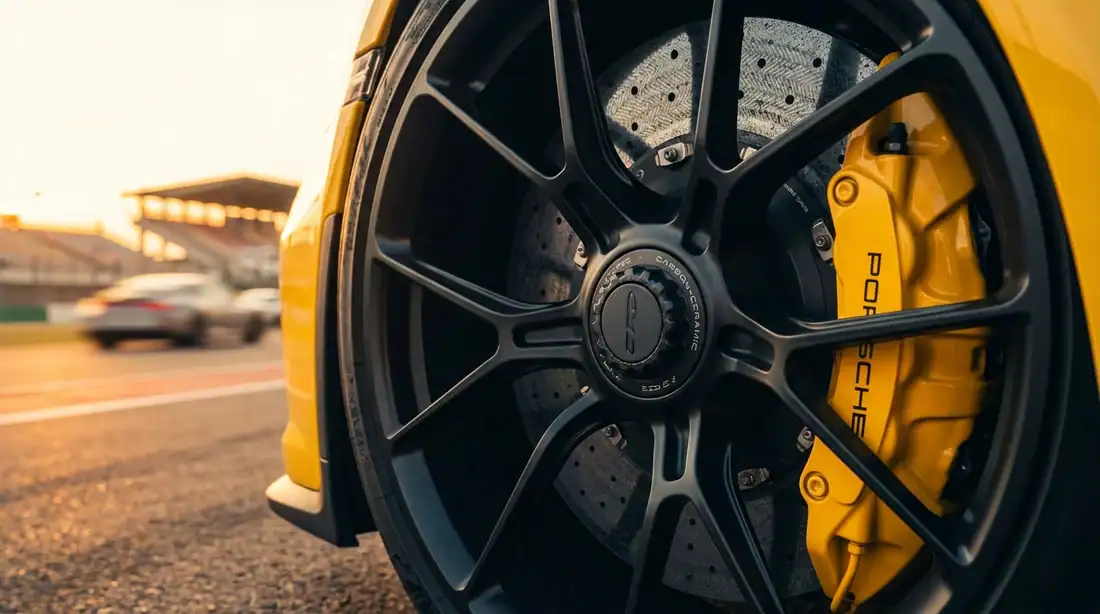
Porsche Ceramic Composite Brakes: Have a specialist assess their condition and provide replacement estimates. Rotor appearance alone does not establish remaining service life.
Center-lock wheels: Confirm that the shop maintaining the car has the correct equipment and follows the procedure for that specific model.
Paint to Sample and special finishes: Confirm factory originality. A rare color’s premium should be evaluated against actual comparable sales.
Weissach, Lightweight, and Clubsport equipment: Availability and content vary by generation and country. Verify individual components through factory records.
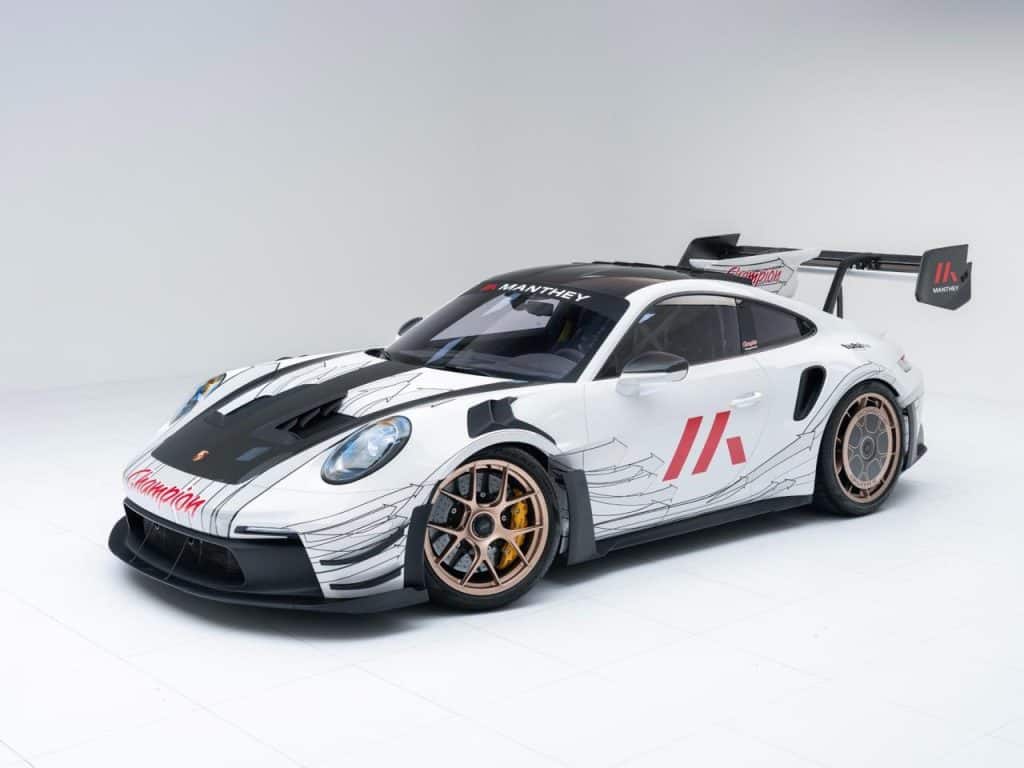
Manthey upgrades: Ask who installed them, whether the work is documented, and how the modifications affect warranty coverage, servicing, and intended use.
The inspection every GT3 deserves
Commission an independent pre-purchase inspection from a Porsche GT specialist before making a final commitment.
The inspection should combine a road test, lift inspection, diagnostic scan, and document review. Depending on the findings, additional engine testing may be appropriate.
Ask for a written assessment covering:
- Identity and history: VIN, title status, factory specification, ownership, mileage, and outstanding campaigns.
- Engine and transmission: Cold start, leaks, fault codes, operating hours, available over-rev data, and shift quality.
- Chassis and body: Paint measurements, structural repairs, suspension condition, alignment, and underbody damage.
- Consumables: Tires, brakes, clutch where applicable, and upcoming service.
- Equipment: Lift system, electronics, seats, aerodynamic components, and modifications.
A vehicle-history report is useful, but it cannot establish that a car has never been damaged, repainted, or driven on a circuit.
Should you avoid a GT3 that has been tracked
Track use deserves investigation rather than an automatic rejection.
Ask how often the car was driven on circuit, who maintained it, and whether the owner retained service invoices and inspection records. Look for maintenance that matches the use.
A documented track history gives you something concrete to evaluate. An unsupported claim that a car was “never tracked” does not eliminate the need for inspection.
How to judge price and collectibility

Compare the car with recent completed sales of closely matched examples. Generation alone is too broad a comparison.
Account for:
- GT3, Touring, or RS specification.
- Transmission.
- Mileage and mechanical condition.
- Original color and factory options.
- Accident and paint history.
- Engine replacement history.
- Service documentation.
- Modifications and retained original parts.
- Selling fees, taxes, transportation, and immediate maintenance.
Originality can carry particular weight with a collector-focused example. A driver-focused purchase may place greater value on documented maintenance and a specification you enjoy.
No GT3 is guaranteed to appreciate. Choose a car you can afford to maintain and would be pleased to own through changing market conditions.
Budget beyond the purchase price
Before buying, obtain estimates for insurance, scheduled service, a complete set of tires, and brake replacement.
Include registration, taxes, transportation, storage, and any maintenance identified during the inspection. Track use requires a separate budget for consumables and appropriate insurance arrangements.
A car that needs tires, brakes, and overdue service immediately may cost more than a better-maintained example with a higher asking price.
Financing your Porsche GT3 with Woodside Credit
Choosing a GT3 involves balancing the car you want with the way you want to manage your cash.
Woodside Credit offers financing for Porsche 911 models, including the GT3, with terms available up to 180 months for qualified buyers and eligible vehicles. Financing can help you preserve cash for other priorities while spreading the purchase into monthly payments.
Ready to Buy a GT3? Apply Today
Whether you are searching for an early 996, a manual 997, an understated Touring, or a track-focused RS, the strongest purchase starts with understanding the model and verifying the individual car.
Explore Porsche financing through Woodside Credit and request a Quick Quote as you prepare for your next GT3.