


A Lamborghini that can handle the school run, a weekend escape, and a favorite stretch of winding road has a different kind of appeal. The Urus brings the brand’s dramatic styling and performance into an SUV that buyers can use far more often than a traditional exotic.
But shopping for a Urus takes more than choosing a color and comparing mileage. The original Urus, Urus S, Performante, and plug-in hybrid SE offer different ownership experiences. The newer SE Performante adds another distinction. Service history, specification, and the condition of expensive components can matter as much as the badge on the tailgate.
For most buyers, the right starting point is simple: choose the version that fits your daily life, then buy the best documented example your budget comfortably supports.
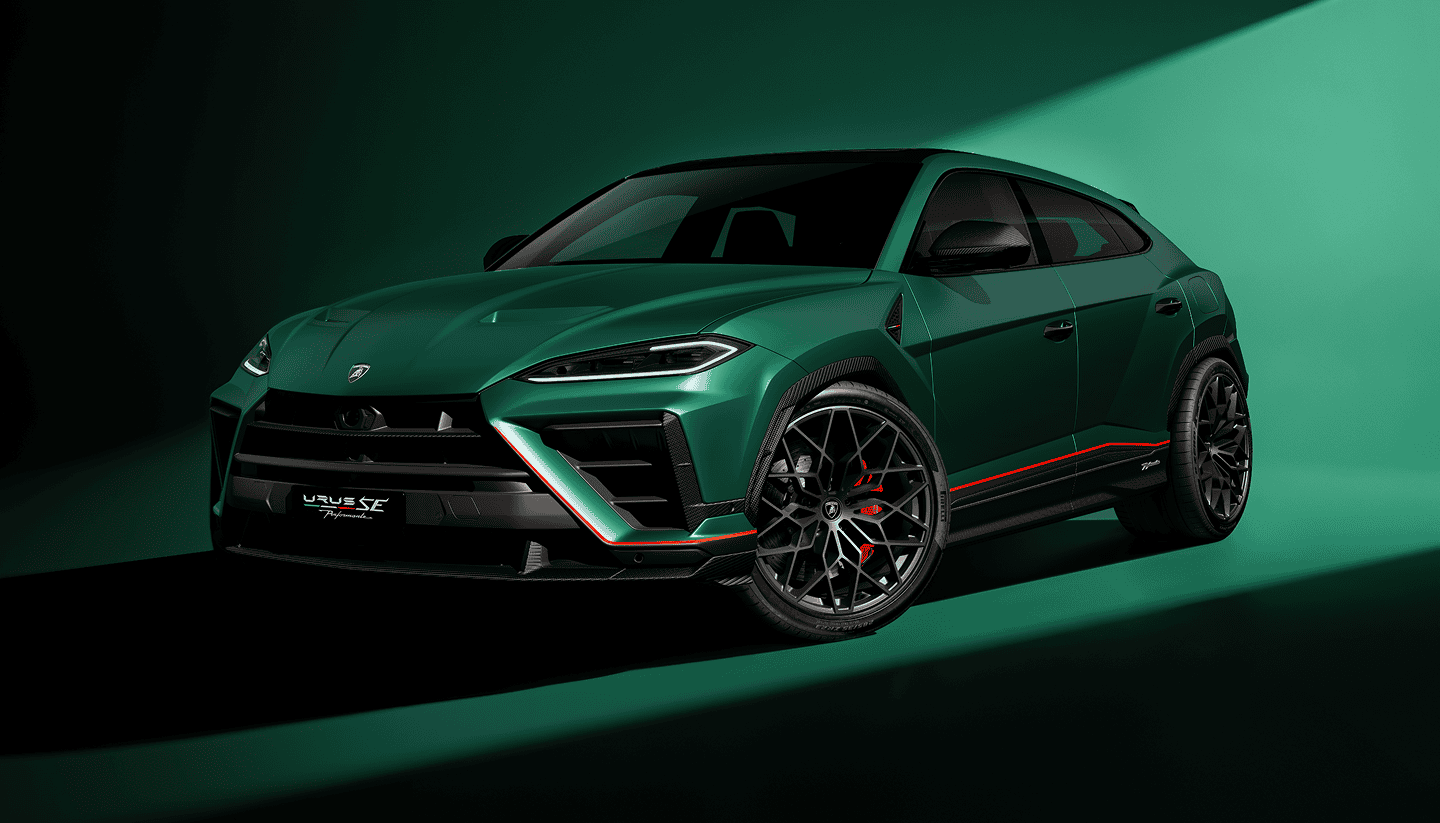
Understanding the Lamborghini Urus Lineup
The production Urus debuted in December 2017, with U.S. buyers generally encountering the original model from the 2019 model year. Later variants brought more power, sharper chassis tuning, and eventually electrification. Check the VIN and factory build sheet because announcement dates and U.S. model years do not always match.
| Version | Power | 0–100 km/h | Buyer focus |
| Original Urus | 650 CV | 3.6 sec | Lower entry price |
| Urus S | 666 CV | 3.5 sec | Daily versatility |
| Urus Performante | 666 CV | 3.3 sec | Sportier gasoline model |
| Urus SE | 800 CV combined | 3.4 sec | Plug-in hybrid |
| Urus SE Performante | 812 CV combined | 3.3 sec | Performance hybrid |
Figures are Lamborghini manufacturer claims for 0–100 km/h, approximately 0–62 mph, rather than 0–60 mph. CV is metric horsepower; approximate mechanical horsepower equivalents are 641, 657, 789, and 801 hp for 650, 666, 800, and 812 CV respectively. Confirm U.S. availability and specification with an authorized dealer.

Original Urus
The original model established the formula with a 4.0-liter twin-turbo V8, all-wheel drive, an eight-speed automatic transmission, and 650 CV. It remains an appealing place to start for buyers who want the Urus experience at a lower acquisition cost than newer variants.
Shop early examples by condition rather than assuming the newest year in your budget is automatically the best buy. A carefully maintained vehicle with more miles can be preferable to a low-mileage example with missing records, old tires, or deferred work.
Urus S
The Urus S raises output to 666 CV while retaining adaptive air suspension. It combines updated styling with a comfort-oriented chassis that makes it a strong candidate for buyers who will use their Lamborghini every day.
Our buying recommendation: put the S near the top of your list if commuting, road trips, and family use matter as much as performance. Compare the actual seats, wheels, equipment, and warranty rather than paying for the S badge alone.
Urus Performante
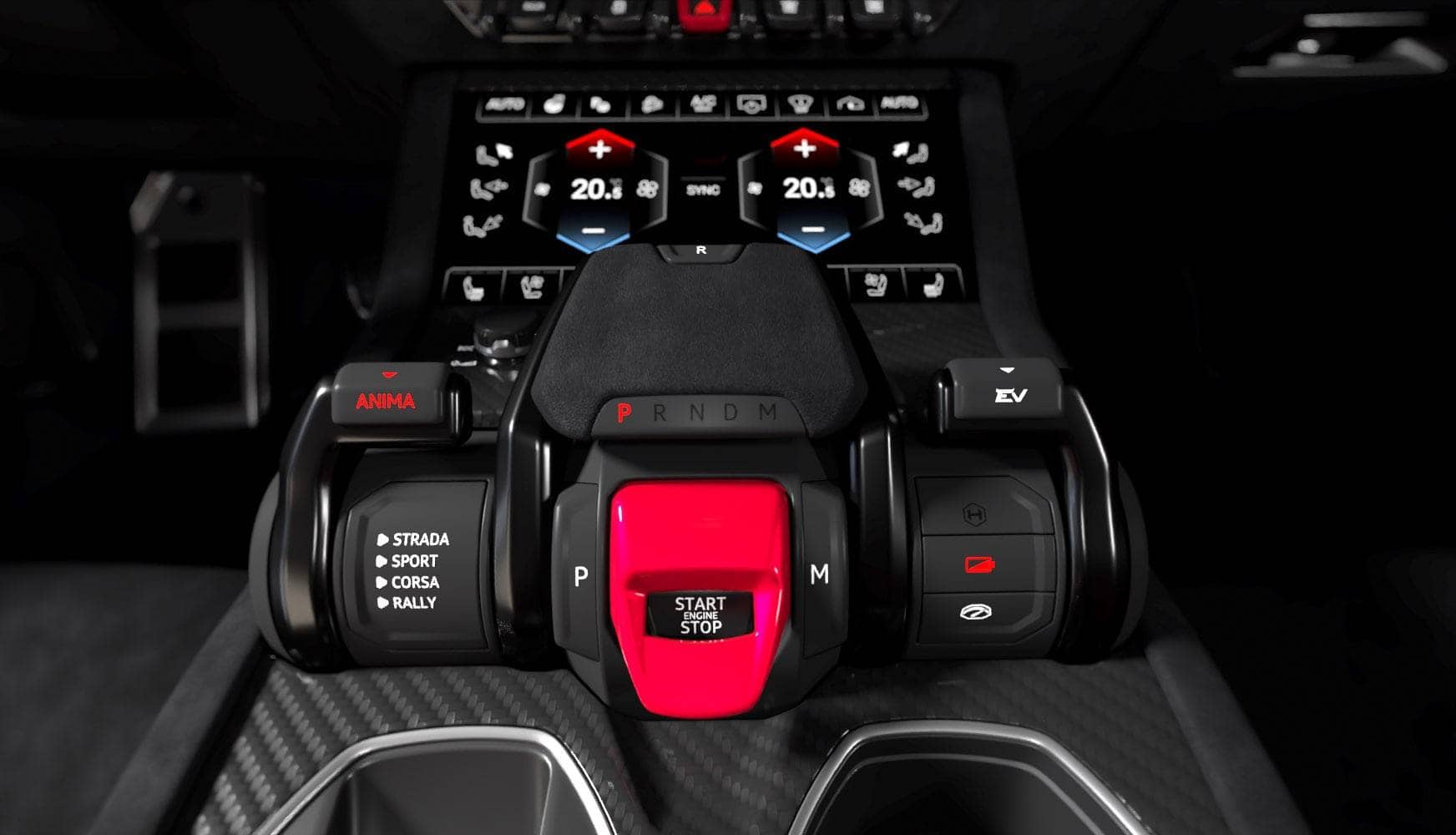
The gasoline Performante also produces 666 CV, but its character comes from its chassis, aerodynamics, and weight reduction. Lamborghini quotes a 47 kg reduction versus its predecessor and a 3.3-second 0–100 km/h time. Steel springs replace the air-spring setup used by the original Urus and S.
It is the version to consider when a more focused driving experience is a priority. Drive one on the roads you actually use before committing. Its sportier setup and any optional performance tires deserve particular attention if comfort, rain, or cold weather are part of your routine.
Urus SE
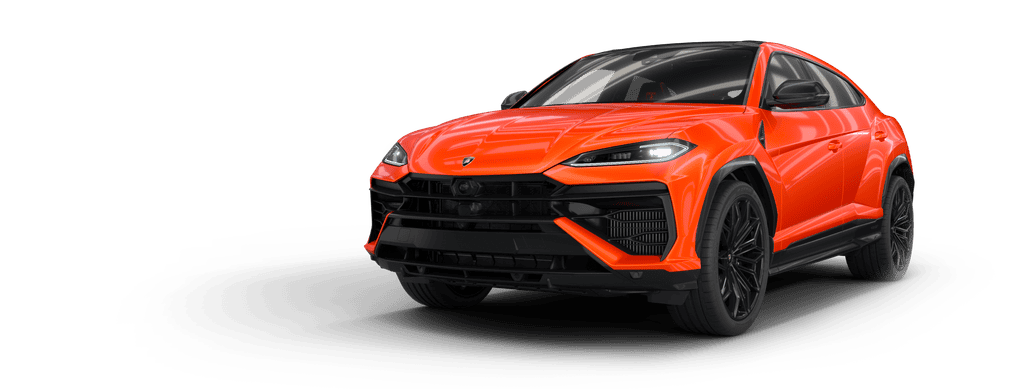
The SE pairs a twin-turbo V8 with an electric motor for 800 CV of combined output. Lamborghini quotes 0–100 km/h in 3.4 seconds and a 312 km/h top speed. It introduces a different ownership proposition, with plug-in charging alongside traditional V8 performance.
For a used SE, add a charging demonstration, hybrid-system diagnostic report, and written confirmation of remaining battery and hybrid-component coverage to your inspection. Evaluate charging access at home and work before assigning value to electric driving.
Urus SE Performante
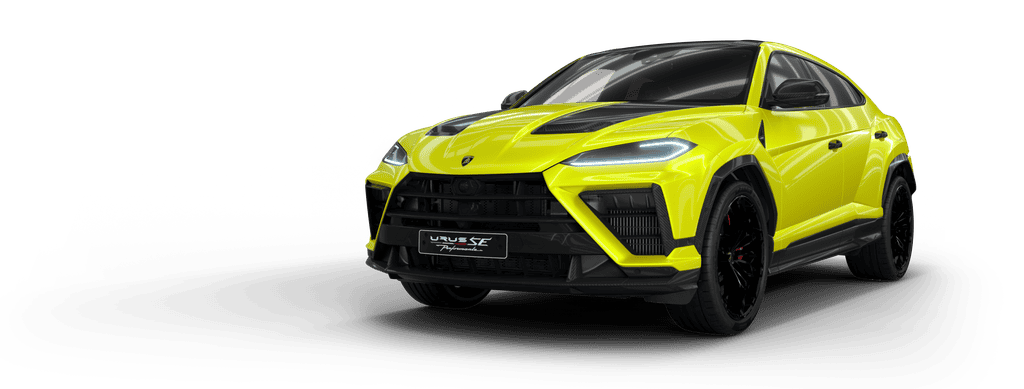
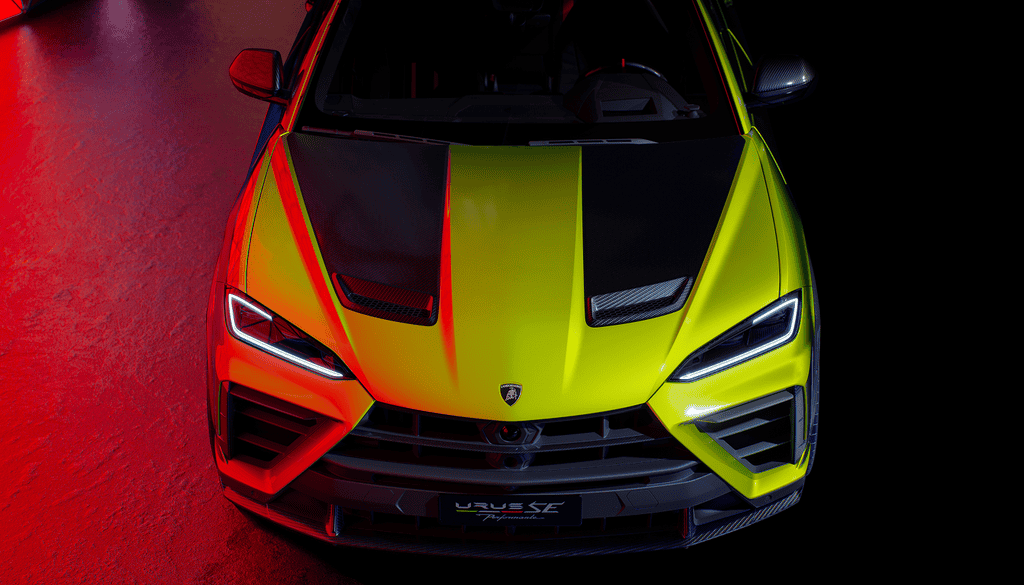
The newer SE Performante is a separate plug-in hybrid derivative, with Lamborghini listing 812 CV and a 3.3-second 0–100 km/h time. Do not confuse it with the earlier 666 CV gasoline Performante. Confirm market availability, delivery timing, and the exact vehicle specification with your dealer.
Pearl Capsule Graphite Capsule and Special Specifications
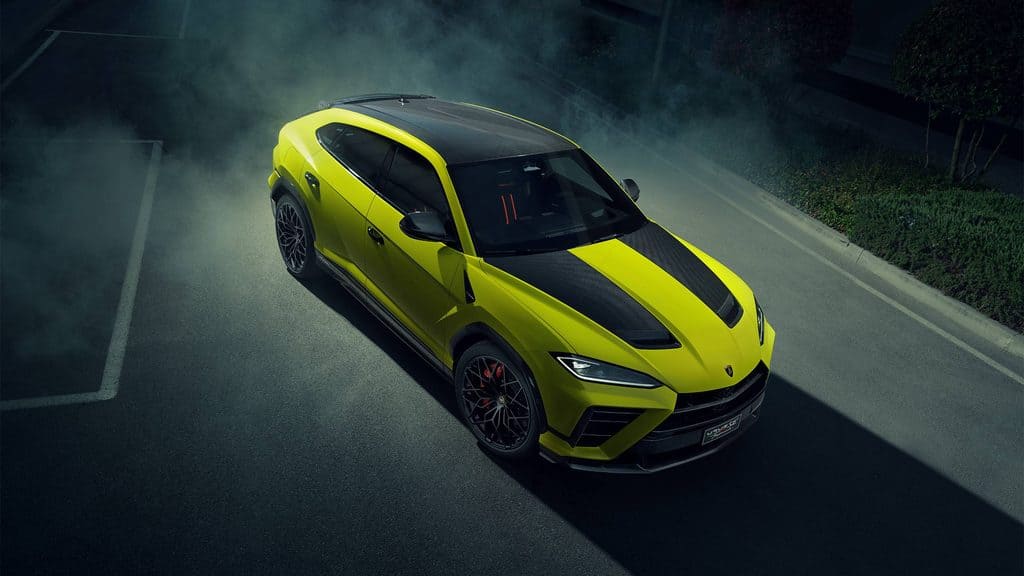
Pearl Capsule and Graphite Capsule editions emphasize distinctive factory color and trim combinations. Verify their authenticity through the build sheet. A wrap, black roof, or aftermarket wheel package does not establish that a vehicle is a factory Capsule edition.
Treat unusual colors and extensive personalization as matters of taste. They may attract the right future buyer, but rarity alone does not establish collectibility or guarantee a premium.
How Much Should You Pay for a Lamborghini Urus
There is no single useful Urus price without specifying the variant. A higher-mileage original model and a nearly new Performante can sit in very different parts of the market.
As a November 2026 shopping reference, one U.S. listing aggregator reports median asking prices of approximately $195,000 for the original base trim, $250,000 for the S, $301,000 for the gasoline Performante, and $295,000 for the SE. These are advertised prices across mixed years and specifications, not verified sale prices or valuations for an individual vehicle. Its SE sample is much smaller than those for the older variants.
Build your own comparison set using vehicles with the same trim, similar mileage, comparable equipment, and similar history. Then adjust for warranty, tire and brake condition, immediate service needs, and transportation costs. An advertised discount can disappear quickly if the car needs substantial work.
Ask for the original window sticker and an itemized out-the-door quote. Separate the negotiated vehicle price from taxes, registration, transportation, optional products, and dealer fees.

The Options That Matter Most
Choose the equipment you will appreciate every time you drive. Verify each feature on the actual vehicle; equipment varies by year, market, and individual order.
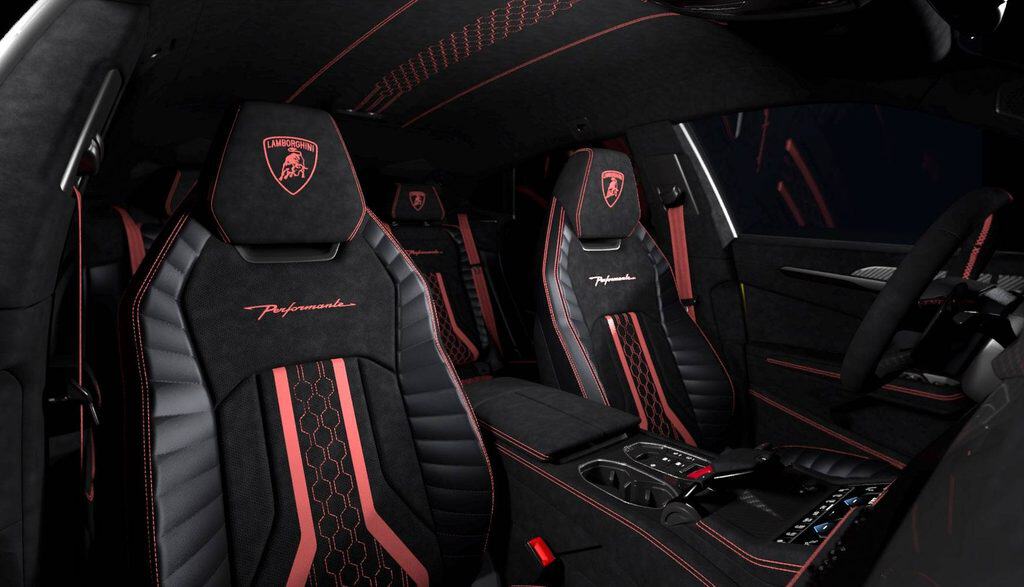
Seats and rear layout — Test the front seats and verify whether the vehicle has a rear bench or individual rear seats. Bring child seats or regular passengers if relevant.
Wheels and tires — Larger wheels may suit the styling, but compare ride quality and obtain replacement-tire quotes before buying.
Parking and driver assistance — Test the cameras, sensors, and every fitted assistance feature. Confirm what is included rather than relying on a generic listing description.
Interior and audio — Decide whether upgraded audio, ventilation, panoramic glass, leather, Alcantara, or carbon trim will improve your ownership experience.
Paint and exterior trim — Inspect special finishes, exposed carbon, wraps, and paint-protection film closely. Obtain repair estimates for any damage before agreeing on price.
What to Inspect Before Buying a Used Urus
Arrange an independent pre-purchase inspection by a Lamborghini dealer or a specialist experienced with the Urus. The following are inspection priorities, not a claim that every Urus develops these faults.
Service History and Diagnostic Scan
Request itemized invoices, not just a stamped book or a history-report entry. Have the inspector compare completed work with the manufacturer’s schedule for that VIN, age, and mileage. Ask what is due next and obtain a written estimate.
A diagnostic scan should cover the relevant control modules, including engine, transmission, chassis, assistance systems, and hybrid components where fitted. Investigate warning lights, incomplete repairs, and unexplained gaps in the history.

Engine Cooling and Drivetrain
Inspect the engine from cold, check for fluid leaks and evidence of coolant loss, and evaluate starting, idle quality, and operating temperature. During the road test, assess gear changes, low-speed maneuvering, and any vibration or hesitation. Let the technician determine whether a symptom is normal operation or needs diagnosis.
Suspension Steering and Underbody
On air-suspension models, test the available height settings and check for uneven stance or abnormal compressor operation. Inspect dampers, bushings, steering components, underbody panels, and evidence of impact damage. On the gasoline Performante, assess its steel-spring suspension on its own specification rather than applying an air-suspension checklist.
Carbon Ceramic Brakes
Have a technician assess the fitted brake system using the appropriate manufacturer procedures. A quick visual glance or lack of dashboard warnings does not establish remaining rotor life. Request a written assessment of disc and pad condition and a replacement estimate if anything is questionable.
Tires Wheels and Alignment
Check the inner shoulders, production dates, tread depth, wheel condition, and correct fitment. Uneven wear deserves an explanation. Look for bent wheels, repairs, or incompatible tire combinations, and include necessary replacements in the purchase budget.
Bodywork Interior and Electronics
Use paint-depth measurements where appropriate and inspect panel alignment, repair quality, carbon components, and the underside of bumpers. Ask for photographs and invoices for previous damage. A clean vehicle-history report is useful but does not replace a physical inspection.
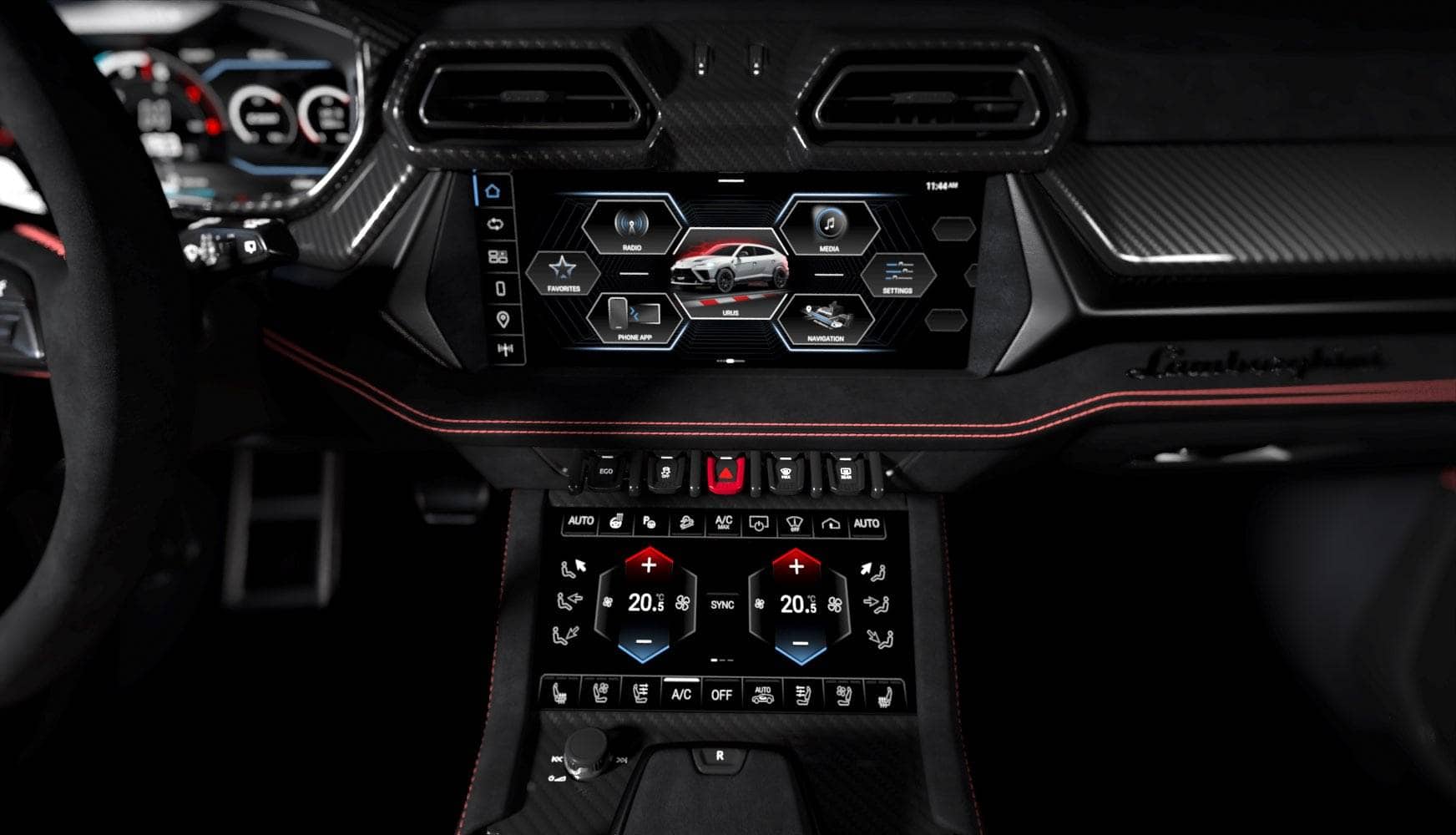
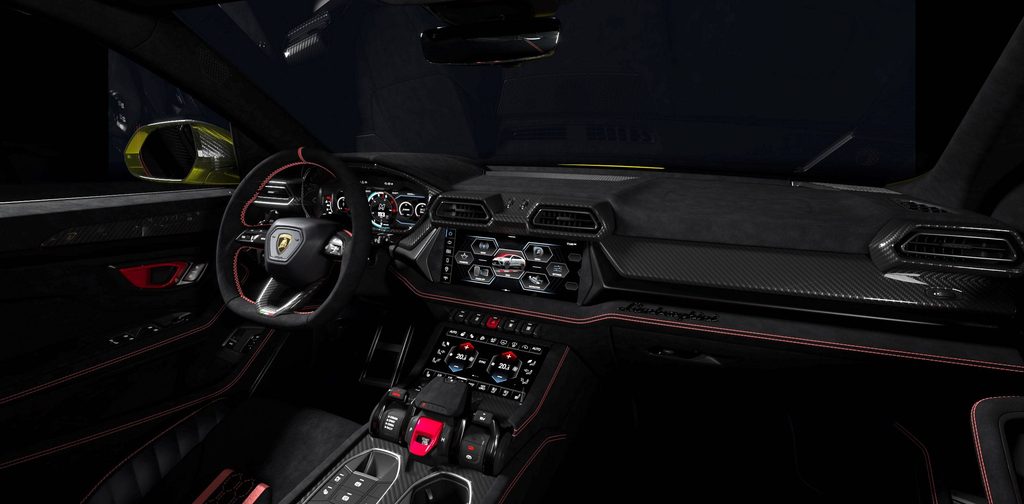
Test the climate control, infotainment, cameras, windows, seat functions, tailgate, roof, and every supplied key. Inspect for water intrusion and odors. If the car is wrapped, ask what is underneath and how its condition can be verified.
Recalls and Modifications Deserve Their Own Review
Certain 2023–2024 Urus S and Performante vehicles were included in NHTSA recall 24V348 concerning the hood-latch striker. A separate rearview-camera software recall, 25V903, covers certain 2019–2024 Urus vehicles. Applicability and remedy status must be checked for the individual VIN.
Check NHTSA information and ask an authorized Lamborghini dealer to confirm all applicable recalls and service campaigns, including documented completion. The NHTSA VIN tool has limitations, including some ultra-luxury manufacturers and recently announced campaigns, so do not rely on one lookup alone.
For modified cars, request a complete list of tuning, exhaust, suspension, wheel, and body changes. Have the inspector assess installation quality and any evidence of prior tuning. Confirm emissions compliance, insurance acceptance, and the effect on warranty coverage before buying. A return to factory appearance does not by itself establish an unmodified history.
What Does a Lamborghini Urus Cost to Own
Build an ownership budget around the specific vehicle rather than a generic online average. Ask your servicing dealer or specialist to price the next scheduled visit and any work identified during inspection.
Include insurance quoted against the VIN, premium fuel, tires, brake wear, registration, and a repair reserve. For an SE, include charging arrangements and confirm the scope of hybrid-system coverage. Obtain insurance terms before placing a nonrefundable deposit, particularly for modified cars or vehicles you plan to use frequently.
Depreciation also belongs in the calculation. Buy with realistic expectations about future value, especially if you expect to add substantial mileage. A longer ownership horizon does not eliminate depreciation or unexpected repairs.
New Used or Certified Pre Owned
A new Urus offers the opportunity to choose or secure a desired specification and begin with new-vehicle coverage. A used example may reduce the purchase price, but inspection findings and remaining coverage should influence the comparison.
Lamborghini’s Selezione certified pre-owned program advertises up to 24 months of warranty coverage. Confirm the actual term, start date, exclusions, assistance benefits, and transferability for the car being offered. Factory warranty, certified coverage, scheduled maintenance, and a third-party service contract are different products.
Which Urus Should You Buy
For a lower purchase price — Start with a well-documented original Urus and keep room in the budget for maintenance.
For daily use — Compare the original and S on comfort, specification, condition, and coverage.
For a more focused driving experience — Test the gasoline Performante and decide whether its chassis suits your roads.
For plug-in capability — Consider the SE after evaluating charging access and hybrid-system coverage.
For the newer performance hybrid — Discuss SE Performante availability and final market specification with an authorized dealer.
These are buying recommendations rather than a universal ranking. The right seats, service history, and condition can matter more than moving one step up the model range.
Financing Your Lamborghini Urus With Woodside Credit
Buying a Lamborghini Urus does not have to mean committing the full purchase price in cash. Woodside Credit specializes in exotic, classic, and collector vehicle financing, helping qualified buyers explore monthly payments while keeping cash available for other priorities. Eligible purchases may qualify for terms up to 180 months, subject to credit approval and program requirements.
Start with a Woodside Credit Quick Quote or speak with our team about the Urus you are considering. Confirm vehicle eligibility and financing details before making a purchase commitment.
Found the right Lamborghini Urus! Apply Today.
The best Urus purchase is one you can enjoy with confidence: the right model, a specification you love, a thorough inspection, and an ownership budget that makes sense. To be eligible for Woodside Credit financing, the vehicle must have a U.S. title and meet applicable vehicle and lending requirements. Financing is subject to credit approval; not all applicants or vehicles qualify.