


The Pontiac Firebird you buy depends on what you want to feel behind the wheel. A 1967 Firebird 400 convertible gives you big V8 torque and an open-air view over a long hood. A black-and-gold 1977 Trans Am is the car that made the Firebird a movie star. The 1989 Turbo Trans Am delivers the most unexpected driving experience of the bunch with its Buick-derived turbo V6, while a 2002 Trans Am WS6 pairs a 325-horsepower LS1 with an available six-speed manual.
Across 36 model years, Pontiac sold everything from six-cylinder cruisers to limited-production cars with their own collector markets. The best buy often comes down to three things you can verify before you make an offer: how the car left the factory, how sound it is underneath, and how much it will take to make it the car you want to drive.
Pontiac Firebird generations at a glance
| Generation | Model years | Models to know | Best fit |
|---|---|---|---|
| First | 1967–1969 | Sprint, 326, 350, 400, Ram Air, 1969 Trans Am | Classic styling, open-air cruising and Pontiac V8 character |
| Second | 1970–1981 | Esprit, Formula, Trans Am, 455 HO, Super Duty 455, Special Edition | Early muscle or the unmistakable look of a late-’70s Trans Am |
| Third | 1982–1992 | S/E, Formula, Trans Am, GTA, Turbo Trans Am, SLP Firehawk | ’80s styling, a lighter feel and several unusual collector variants |
| Fourth | 1993–2002 | Firebird V6, Formula, Trans Am, WS6, SLP Firehawk, Collector Edition | Fuel-injected performance, six-speed cruising and the final Firebirds |
Firebird, Formula, Trans Am, WS6 and Firehawk. Firebird is the model family. The Formula, introduced for 1970 and revived for 1987, generally delivered more understated performance styling. Trans Am was Pontiac’s flagship Firebird. WS6 was an option code whose equipment changed over time. A late-’70s WS6 handling package and a fourth-generation WS6 Ram Air package are different specifications. Firehawk was an SLP Engineering performance conversion sold through Pontiac dealers. In each case, confirm the equipment against the car’s model year and paperwork.
First generation Pontiac Firebird (1967–1969)
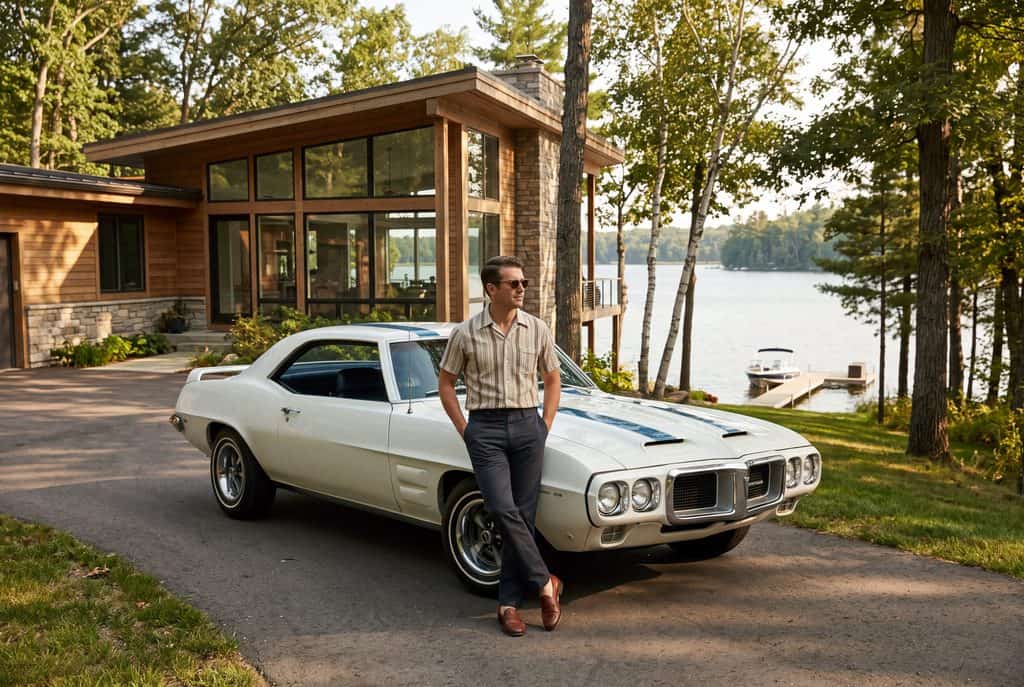
The original Firebird shared GM’s F-body platform with the Chevrolet Camaro and had its own styling and Pontiac engine lineup. All three years offered a coupe and a convertible. Expect a classic pony-car driving experience: a compact cabin, a long hood and steering and braking that reflect the equipment ordered when the car was new. Power steering and front disc brakes can make a frequent driver easier to live with.
| Model year | What changed and what to shop for |
|---|---|
| 1967 | The lineup included a 230-cubic-inch overhead-cam inline-six, a four-barrel Sprint version of that six, 326 V8s and the Firebird 400. Shop the Sprint for its unusual Pontiac engineering or the 400 for the experience most buyers associate with a first-gen muscle car. |
| 1968 | A 250-cubic-inch overhead-cam six replaced the 230, and the Pontiac 350 replaced the 326. The 400 remained available, with Ram Air variants at the top. Side marker lights and the deletion of front vent windows help distinguish a ’68 from a ’67. |
| 1969 | Revised front-end and body styling gave the Firebird a more aggressive look. The first Trans Am arrived as a midyear package. Only 697 were built, including eight convertibles. White paint, blue stripes and a rear spoiler make the look easy to recognize and easy to replicate. |
What to inspect
- Rust and structure. Get the car on a lift. Check the floors, trunk pan, rear frame rails, leaf-spring mounting areas, rockers, lower quarters, cowl and front subframe mounts. On a convertible, look closely at the rocker structure and floor reinforcements and check how the doors fit and close.
- Water and previous repairs. Look beneath the trunk mat and around the windshield and rear glass. Ask for bare-metal and in-progress photos on a restored car. Uneven gaps, heavy seam sealer and overspray can point to areas that deserve a closer look.
- Original engine and options. Verify engine stampings, casting numbers and dates with a Pontiac specialist. A period-correct 400 can make a great driver. An original drivetrain is a separate claim and calls for separate evidence. Ask for invoices or a factory record before paying for a Ram Air car or first-year Trans Am.
- Missing specialty parts. On an overhead-cam Sprint, check that the carburetor, intake and other model-specific pieces are present. For a Ram Air or Trans Am, inventory the induction hardware and trim before pricing the car.
Woodside’s pick. A sound 1968 Firebird 350 or 400 coupe is a good starting point for a buyer who wants to drive regularly. If you’re buying a ’69 Trans Am for its rarity, make factory paperwork and expert inspection conditions of the purchase.
Second generation Pontiac Firebird (1970–1981)
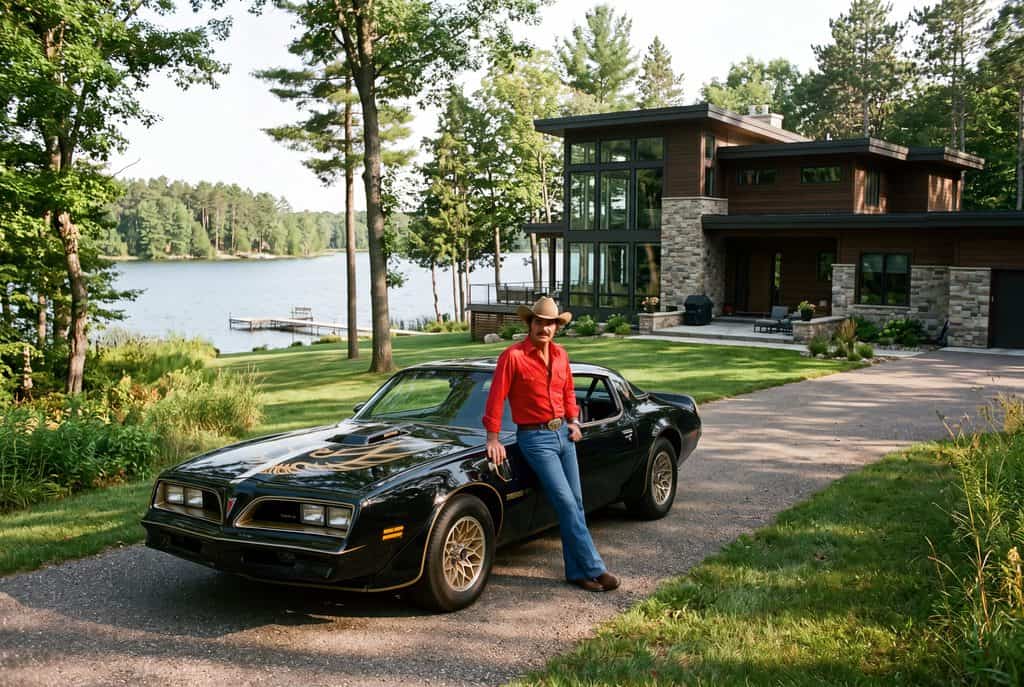
Pontiac stretched this generation across 12 model years. The early cars appeal for their clean lines and big-displacement Pontiac V8s. By the late ’70s, the Trans Am’s shaker scoop, spoilers and hood graphics had become its own reason to buy. Expect a low seating position, strong visual character and a wide range of driving experiences depending on the engine, transmission and suspension.
| Model years | What changed and what to shop for |
|---|---|
| 1970 | The redesigned coupe-only lineup included Firebird, Esprit, Formula 400 and Trans Am. A Formula 400 has a twin-scoop hood and a subtler appearance. The Trans Am offered Ram Air 400 power. |
| 1971–1972 | Look for the 455 HO in the Formula and Trans Am. Early second-gen styling and a documented 455 HO are a particularly appealing combination. |
| 1973–1974 | The Super Duty 455 was available in the Formula and Trans Am. The SD-455 was a distinct engine with specialized components. A listing that simply says “455” has yet to establish which engine the car carries. The large hood bird also arrived as a Trans Am option for 1973. |
| 1975–1976 | The 455 returned in the Trans Am for part of 1975 and carried into 1976. Pontiac’s 1976 50th Anniversary black-and-gold edition foreshadowed the look associated with the Bandit. |
| 1977–1978 | The 1977 restyle brought four rectangular headlights and the look made famous by Smokey and the Bandit. Pontiac 400 and Oldsmobile 403 engines are both relevant to the search. The WS6 handling package appeared for 1978. |
| 1979 | A revised nose and full-width rear lamp treatment marked the year of the silver 10th Anniversary Trans Am. A W72 Pontiac 400 with a four-speed is a different proposition from the common Oldsmobile 403 automatic. Verify the engine and transmission before comparing prices. |
| 1980–1981 | The 301-cubic-inch Pontiac turbo V8 was the headline powertrain. The 1980 Indianapolis and 1981 Daytona pace-car editions add another collector angle. A good turbo car needs evidence that its original hardware and controls have been maintained. |
What to inspect
- T-tops and rear body structure. Inspect the roof openings and channels, windshield corners and rear-window channel. Check for crust beneath the carpet, especially in the footwells. From below, inspect rear rails, spring mounts, trunk drops and the lower quarters. Bring a flashlight and take the trunk mat out.
- Restoration quality. Verify whether the correct nose, shaker, air cleaner, fender vents, spoiler, wheels and trim are present. A clean repaint can look convincing on a car assembled from parts spanning several model years.
- Engine identity. Check Pontiac 400, Pontiac 455 and Oldsmobile 403 claims against castings, stampings and documentation. On a 301 Turbo, ask for a cold start and a fully warmed drive. Have a specialist inspect the carburetor, turbo, vacuum routing and boost controls.
- Special Edition claims. Black paint, gold graphics and snowflake wheels are readily replicated. Use factory paperwork to authenticate a genuine Special Edition and check the exact option combination before paying the premium.
Woodside’s pick. Shop for a documented 1977–1978 Trans Am if the Bandit look is what drew you in. A sound Formula is an appealing choice when you want Pontiac V8 character with less attention at the gas pump.
Third generation Pontiac Firebird (1982–1992)
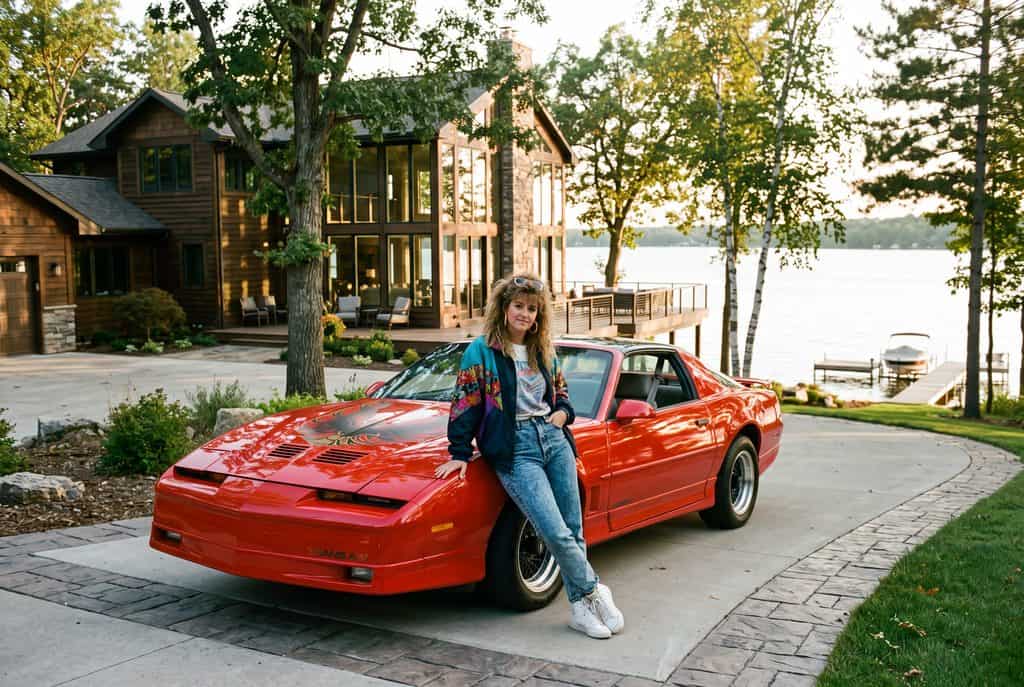
The third-gen Firebird brought pop-up headlights, a wedge-shaped body and a large hatch. These cars feel lower and more agile than the earlier Firebirds, and the engine matters as much as the styling. A launch-year four-cylinder, a tuned-port V8 and the Turbo Trans Am have very different personalities.
| Model years | What changed and what to shop for |
|---|---|
| 1982–1984 | Early models included the Firebird, S/E and Trans Am. Depending on year and trim, buyers could get a 2.5-liter four, a V6 or a 5.0-liter V8. Some early Trans Ams used Cross-Fire Injection. Ask how an early car runs hot and cold, particularly if its fuel system has been modified. |
| 1985–1986 | Revised styling and the arrival of a tuned-port-injected 5.0-liter V8 gave buyers more reason to seek out the mid-decade cars. Verify the actual engine and injection system, since multiple 5.0-liter configurations existed. |
| 1987–1990 | Formula returned and the Trans Am GTA joined the lineup for 1987. The 5.7-liter L98 tuned-port V8 came with an automatic from the factory. For a factory V8 five-speed, look at eligible 5.0-liter builds. In 1989, the 20th Anniversary Turbo Trans Am arrived with an intercooled 3.8-liter V6 rated at 250 horsepower and 340 lb-ft. |
| 1991–1992 | A revised nose and additional convertible offerings distinguished the final years. The SLP Firehawk turned the Formula into a very low-volume specialty car with a modified 5.7-liter V8 and ZF six-speed. Require SLP paperwork on a car offered as one of these early Firehawks. |
What to inspect
- Leaks and parts availability. Lift the rear carpet and look in the spare-tire well for water. Examine T-top seals, hatch seals, drains and the power pull-down latch where equipped. Check whether hard-to-source trim and interior pieces are missing or broken.
- Electrical and cooling systems. Cycle both headlights, windows and locks. Try every instrument, especially on a car with the optional digital dash. Let it idle until warm and make sure the cooling fan operates and the temperature stays stable.
- Drivetrain and hard use. On a manual, check clutch engagement and shift quality across the gears. On an automatic, note delayed engagement, slipping or a surge in engine speed between shifts. Listen for rear-axle whine and inspect the torque-arm mounting area for damage or rough modifications.
- Turbo Trans Am originality. Look for records on the turbo, intercooler, fuel system and engine management. If the car has been tuned, ask who did the work, what changed and whether the original parts come with it. A specialist familiar with the Buick-derived turbo V6 can assess the setup.
Woodside’s pick. A late Formula 350 is a good way into third-gen V8 ownership if you’re happy with an automatic. Shop for a GTA if the upscale interior and period styling matter more, or a Turbo Trans Am if the unusual powertrain is what you want to collect.
Fourth generation Pontiac Firebird (1993–2002)

The final Firebird combines a low-slung body with the performance and convenience of a fuel-injected modern classic. The LT1 cars have their own appeal, especially with a six-speed. The later LS1 cars are the natural starting point for buyers who want the strongest mainstream Firebird V8 and broad engine-parts support. A clean 3.8-liter V6 convertible also makes sense for buyers primarily interested in top-down cruising.
| Model years | What changed and what to shop for |
|---|---|
| 1993–1995 | Early base cars used a 3.4-liter V6, with the 3.8-liter V6 beginning its transition in 1995. Formula and Trans Am used the 5.7-liter LT1 V8, rated at 275 horsepower in early cars. A six-speed manual or four-speed automatic was available with the V8. The convertible returned for 1994. |
| 1996–1997 | The 3.8-liter V6 became the base engine. The standard LT1 V8 rose to 285 horsepower, and WS6 Ram Air brought the advertised output to 305 horsepower. The rare 1997 LT4 Firehawk is a specialist purchase that warrants detailed provenance. |
| 1998–2000 | A restyled front end accompanied the switch to the aluminum 5.7-liter LS1. Early LS1 Formula and Trans Am models were rated at 305 horsepower, with WS6 versions rated at 320. In 1999, Pontiac marked the Trans Am’s 30th anniversary with a white-and-blue WS6. Production Firehawks returned for 1999 on Formula and Trans Am cars. |
| 2001–2002 | The standard LS1 was rated at 310 horsepower and the WS6 at 325. The yellow 2002 Collector Edition Trans Am was based on the WS6 and offered as a T-top coupe or convertible. A documented final-year Firehawk offers a separate route into limited-production ownership. |
What to inspect
- LT1 ignition and cooling. Ask for OptiSpark distributor and water-pump records. Check for rough running, misfires and visible coolant seepage near the front of the engine. Drive it until warm and try a hot restart.
- LS1 and drivetrain wear. Check for oil leaks, unstable idle and evidence of a cam swap or aftermarket tuning. For a T56 six-speed, pay attention to clutch take-up and second- and third-gear shifts. With a 4L60-E automatic, check for delayed engagement and slipping. Listen for rear-axle whine and look for evidence of repeated hard launches, such as repaired torque-arm mounts or heavily modified rear suspension.
- Electrical, roof and interior. Test the pop-up headlights more than once and listen for grinding after they reach their stops. Test both power windows and inspect the interior door panels for cracks. Look for water under T-tops and in the rear cargo well. Cycle a convertible top and inspect the fabric, rear-window seal and latches.
- Factory packages. For a WS6, check the vehicle’s option label and original paperwork. For a Firehawk, look for SLP documentation, the supplemental label where applicable and a build number you can independently verify. Hoods, wheels and badges can all be fitted later.
Woodside’s pick. A documented, lightly modified or stock 1998–2002 LS1 Formula is a strong choice for understated performance. A 2001–2002 WS6 six-speed brings together the later engine rating, Ram Air styling and one of the most engaging versions of the final Firebird.
How to verify and value a Pontiac Firebird
- Get the VIN and a copy of the title before you commit. Match the title to the vehicle and verify the seller’s ownership and any lien. Older Firebirds use shorter VIN formats, so bring in a marque specialist if an online decoder cannot verify the car.
- Build a paperwork trail. Ask for the invoice or window sticker, option label or build sheet if available, service records, restoration invoices and before-and-after photos. Pontiac Historical Services may be able to supply original build or billing information from the VIN. A PHS packet tells you how the Pontiac was ordered. A physical inspection tells you which parts are still on the car.
- Buy the condition you can see. Get an independent pre-purchase inspection with a lift, a cold start and a road test. Ask for pictures of structural repairs and a written list of work the car needs. If there is a question about engine health, ask the inspector whether compression and leak-down testing are warranted.
- Compare actual sales for similar cars. Start with year, trim, engine, transmission and roof type, then adjust for condition, mileage, originality and documentation. A documented W72 four-speed, a standard 403 automatic and a Bandit tribute need separate sets of comparable sales. Check whether a reported auction price includes the buyer’s premium.
- Budget for ownership on day one. Include transport, taxes, registration and insurance. Keep room for aged tires, brakes, hoses, cooling-system work and weatherstripping. On a project, ask a shop to price structural repairs, paint and missing trim before you bid. If the car is modified, verify what you need to register it in your state and ask for any original parts included in the sale.
Which Firebird should you buy?
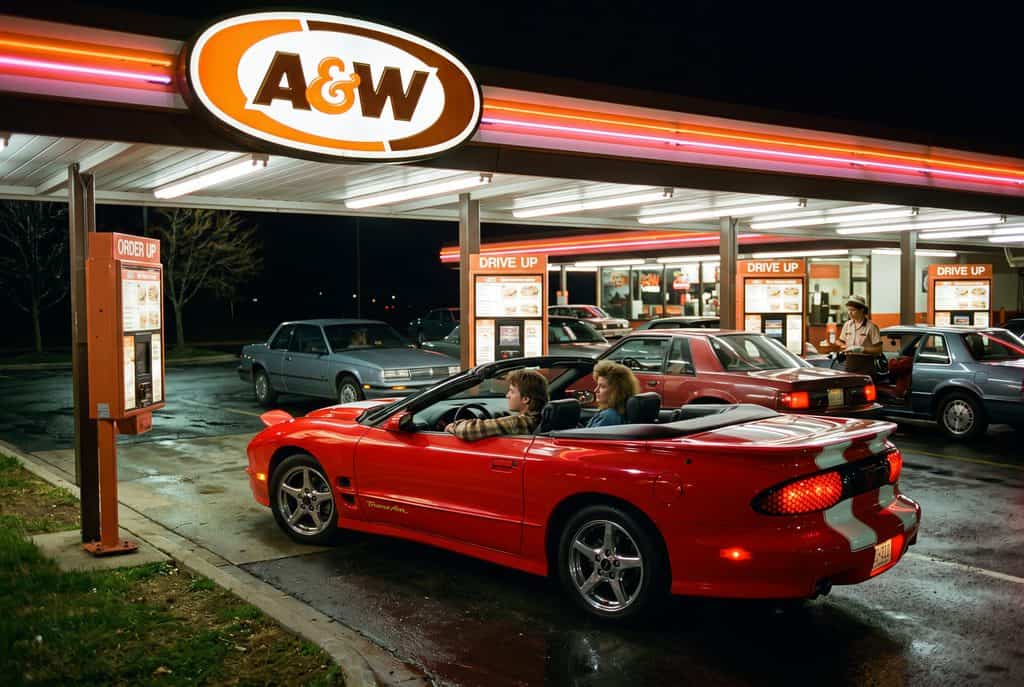
If your ideal Sunday starts with the top down and the sound of a carbureted V8, shop for a first-generation 350 or 400 convertible. If you can picture the exact black-and-gold car you want, focus on a documented late-’70s Trans Am. For an ’80s Firebird you can enjoy regularly, start with a solid Formula or GTA. For the strongest mix of usability and performance, put a fourth-gen LS1 Formula or Trans Am at the top of your list.
If you’re buying a rare Firebird, take your time. The right color and wheels make a strong first impression. The factory paperwork, original equipment and condition underneath determine whether the car is worth the premium.
Financing your Pontiac Firebird with Woodside Credit
Woodside Credit offers collector car financing with terms up to 180 months for qualifying purchases. Vehicles must have a clean U.S. title and be operational and in very good condition. If you’re considering a late-production Pontiac Firebird or a modified example, check eligibility for the specific car before you bid or place a deposit. Woodside Credit classic car financing
Have a Firebird in mind? Get a no-obligation Quick Quote to estimate your monthly payment before you make an offer. Get a Quick Quote