


Some cars earn a place in a collection through rarity. Others through engineering, design or the way they feel from behind the wheel. The Acura NSX brings those qualities together across two very different generations.
The original delivers a naturally aspirated, mid-engine driving experience with unmistakable proportions. Its successor combines twin-turbocharged power with advanced hybrid technology. Both offer compelling reasons to become part of an enthusiast’s garage.
Whether you are searching for an early five-speed coupe, an open-roof NSX-T or a final-year Type S, understanding the differences is the first step toward finding the right car.
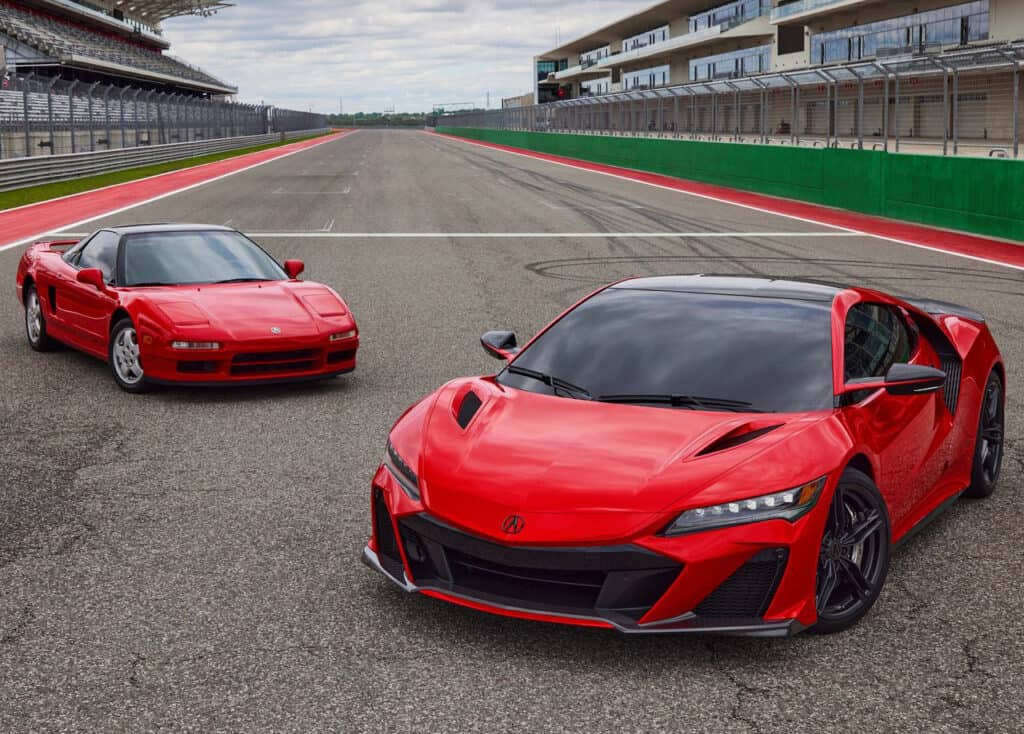
Understanding the Acura NSX Model Years
For U.S.-market buyers, the Acura NSX spans 1991–2005 and 2017–2022 model years. There were no U.S.-market Acura NSX models for 2006–2016.
Here is how the major changes shape the search.
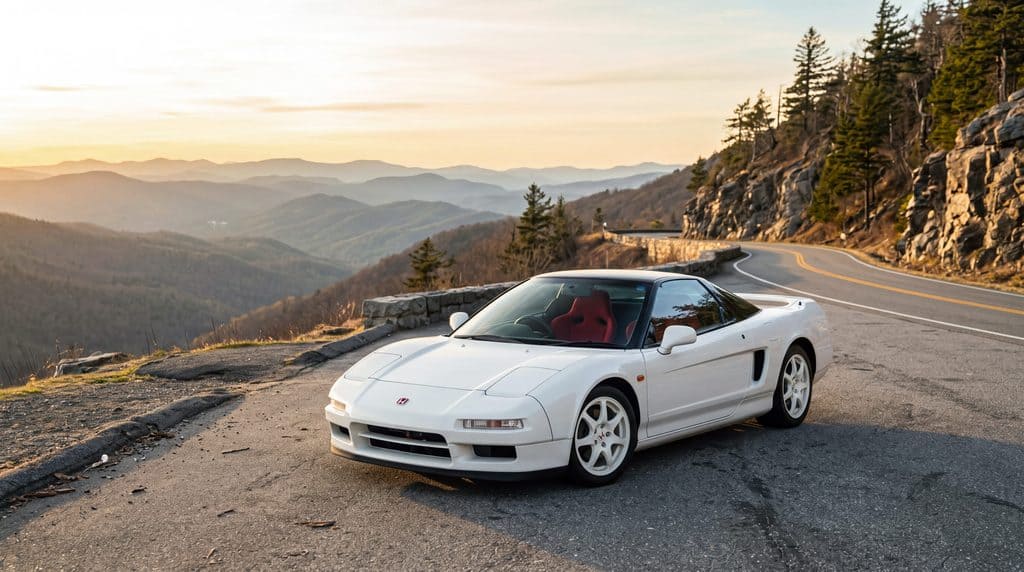
| Model years | Key differences | Collector considerations |
|---|---|---|
| 1991–1994 | Original 3.0-liter V6; five-speed manual or four-speed automatic. Larger wheels arrived for 1994. | The early design and fixed-roof configuration offer the original NSX experience. |
| 1995–1996 | Introduction of the removable-roof NSX-T. | Consider roof operation, seals and storage hardware alongside mechanical condition. |
| 1997–1998 | Manual models gained a 3.2-liter V6 and six-speed transmission; automatics retained the 3.0-liter. | Verify drivetrain specifications when comparing listings. |
| 1999 | The Alex Zanardi Edition joined the lineup with weight reduction and chassis changes. | Authenticate any claimed special edition. |
| 2000–2001 | Continued pop-up-headlight styling and established drivetrain choices. | Compare condition, configuration and records closely. |
| 2002–2003 | Fixed headlights, revised exterior details, suspension changes and larger wheels. | A distinct alternative for buyers who prefer the updated appearance. |
| 2004–2005 | Additional cabin and equipment updates; 2005 ended the first generation. | Late-production appeal should be weighed against the individual car’s condition. |
First-generation specifications and changes are documented in Acura’s model chronology.
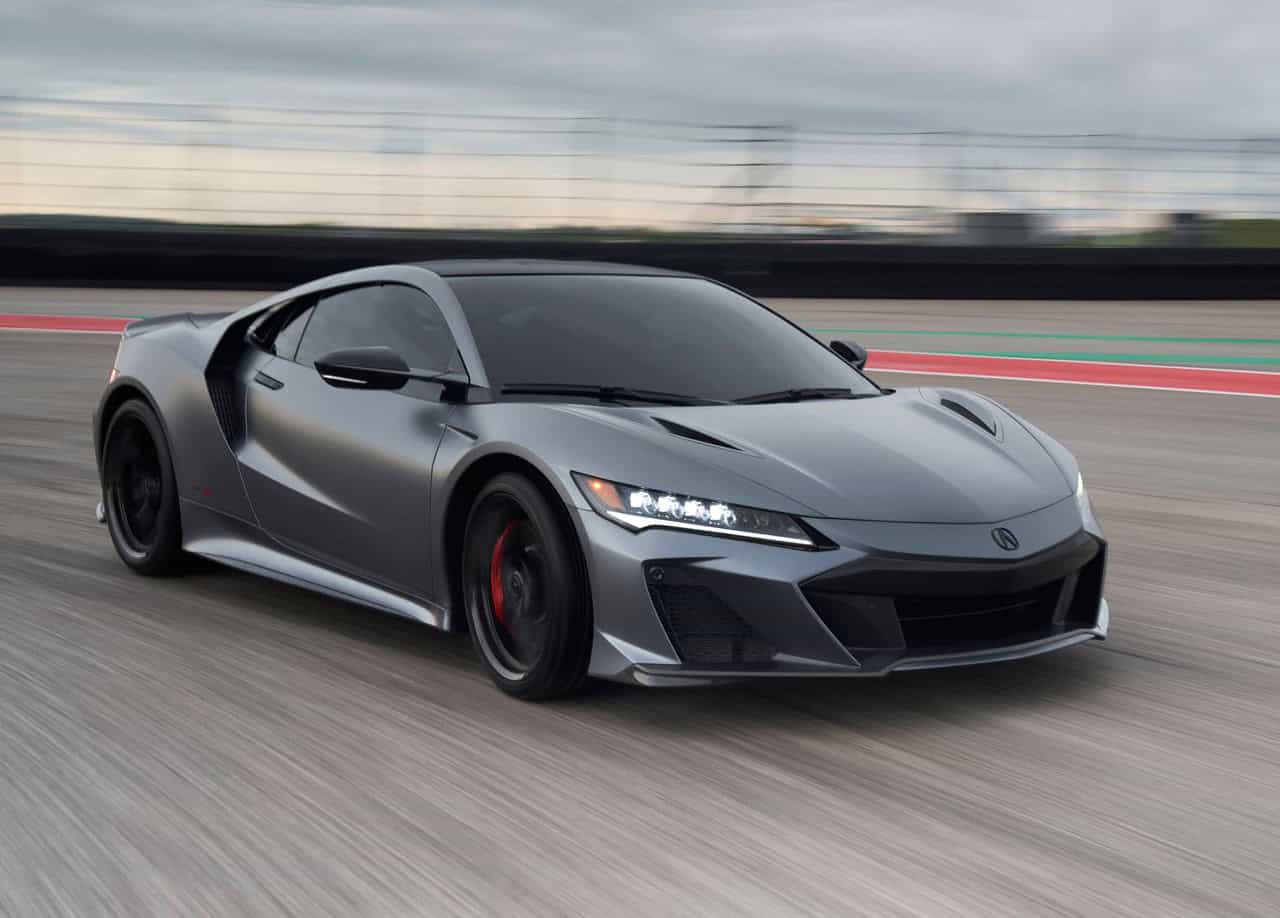
| Model years | Key differences | Collector considerations |
|---|---|---|
| 2017–2018 | Second-generation debut: twin-turbo V6, three electric motors, nine-speed dual-clutch transmission and 573 total horsepower. | Review original options, service records and hybrid-system condition. |
| 2019–2021 | The 2019 update introduced chassis, tire and software improvements, plus appearance and equipment changes. | Decide whether the revised driving characteristics and preferred specification justify the asking price. |
| 2022 | Final-year Type S with 600 horsepower; production limited to 350 globally, including 300 for the U.S. | Verify authenticity, factory options and preservation of unique components. |
The second generation’s specifications, 2019 updates and Type S production figures are detailed by Acura.
Which NSX Is Right for Your Collection?
Start with how you intend to use the car.
An early manual coupe may suit someone seeking the original NSX’s simplicity and fixed-roof silhouette. An NSX-T adds open-air enjoyment. A 1997-or-later manual combines the larger engine with a six-speed gearbox, while the facelifted cars offer a different interpretation of the first-generation design.
The second generation suits buyers drawn to modern performance and the interaction between combustion and electric power. The Type S adds limited-production distinction.
There is room for different preferences, including first-generation automatics. Choose the configuration you will enjoy owning, then compare it with genuinely similar cars. A manual, automatic, modified example and documented special edition should not be treated as interchangeable when evaluating price.
What to Look For Before Buying an Acura NSX
1. A Documented Ownership and Service History
Ask for invoices, not simply a statement that the car has been maintained.
Look for consistent mileage entries, dated service records, ownership history and documentation of repairs. Review the title and vehicle-history report, then have an independent specialist inspect the car. A clean history report should support that inspection, rather than replace it.
Low mileage also deserves context. Find out how the car was stored, how frequently it was driven and what maintenance continued during periods of inactivity.
2. First-Generation Timing-Belt Service
For a first-generation NSX, request documentation of the most recent timing-belt service, including the date, mileage and associated work.
Have an NSX specialist compare those records with the maintenance schedule for the specific model year. Ask the shop to assess the water pump, tensioner, seals and cooling system as part of its review.
If the seller cannot establish when important work was completed, obtain an estimate and include it in your purchase budget.
3. Early Manual-Transmission Snap-Ring History
Certain 1991–1992 five-speed transmissions fall within an affected range identified in Acura service bulletin 93-010 for a countershaft-bearing snap-ring problem.
The bulletin identifies transmission numbers J4A4-1003542 through J4A4-1005978. Have a specialist verify the transmission number and review any repair documentation. Model year alone does not establish whether a particular car is affected.
During the inspection and road test, ask the shop to assess shift quality, unusual gearbox noises and clutch operation.
4. Body Condition and Previous Repairs
The first-generation NSX’s aluminum construction makes an informed body inspection especially valuable.
Ask the inspector to examine panel alignment, paint consistency, underbody condition, mounting points and evidence of structural repair. If repairs are present, request invoices and photographs showing the work.
On an NSX-T, check roof fit, latches, seals and signs of water intrusion. Across both generations, inspect low-mounted bodywork for scraping or impact damage.
5. Hybrid-System and Electronic Checks
A second-generation NSX calls for an inspection by a shop equipped to evaluate its hybrid drivetrain.
Request a diagnostic scan and assessment of the high-voltage system, cooling circuits, transmission, suspension and electronics. Ask what battery-health information the shop can establish, whether any warranty coverage remains and whether outstanding recalls or campaigns apply.
Maintenance extends beyond engine oil. Acura’s published schedule includes transmission and clutch fluids, coolant and Twin Motor Unit fluid, among other items. Confirm the applicable services have been completed.
6. Originality, Modifications and Completeness
Before paying a premium for originality, verify what is original.
Compare the car’s paint, interior, wheels and equipment with its factory specification. For a special edition, request supporting documentation. Check for included keys, manuals, tools and accessories.
Modified cars can still make enjoyable purchases. The important questions are who performed the work, how it was documented and whether original components are included. Price the car according to its actual configuration and condition.
Comparing NSX Prices Without Getting Distracted by Mileage
Build your comparison around the same generation, transmission, roof configuration and edition. Then account for mileage, service history, originality and repair history.
Recent completed sales are more useful than asking prices alone. Include auction fees, transportation, taxes and immediate maintenance when calculating what a purchase will actually cost.
An inexpensive example with deferred work may require a larger overall budget than a well-maintained car with a higher asking price. Get written estimates before deciding.

Financing an Acura NSX With Woodside Credit
Financing can help collectors spread the purchase cost over time while retaining cash for maintenance, storage and other priorities.
Woodside Credit offers financing for eligible Acura NSX models, including the NSX Type S, subject to approval and current lending guidelines. Private-party purchases can also be supported.
Woodside’s specialty vehicle financing program offers terms up to 180 months and no prepayment penalties. Available terms depend on the vehicle, purchase price, borrower qualifications and current program guidelines.
Before committing to a car, discuss the specific example with a Woodside loan consultant. Establish your down payment, review available payment options and leave room in your ownership budget for insurance and upkeep. Compare the total financing cost alongside the monthly payment.
Find the NSX You Want to Drive
The right Acura NSX starts with a clear understanding of what matters to you: the original design, a manual transmission, an open roof, modern hybrid performance or a special edition.
Once you identify that preference, let documentation, inspection results and a realistic ownership budget guide the purchase.
Ready to bring an NSX into your garage? Explore Acura NSX financing with Woodside Credit and discuss your next purchase with a specialty vehicle financing team.