

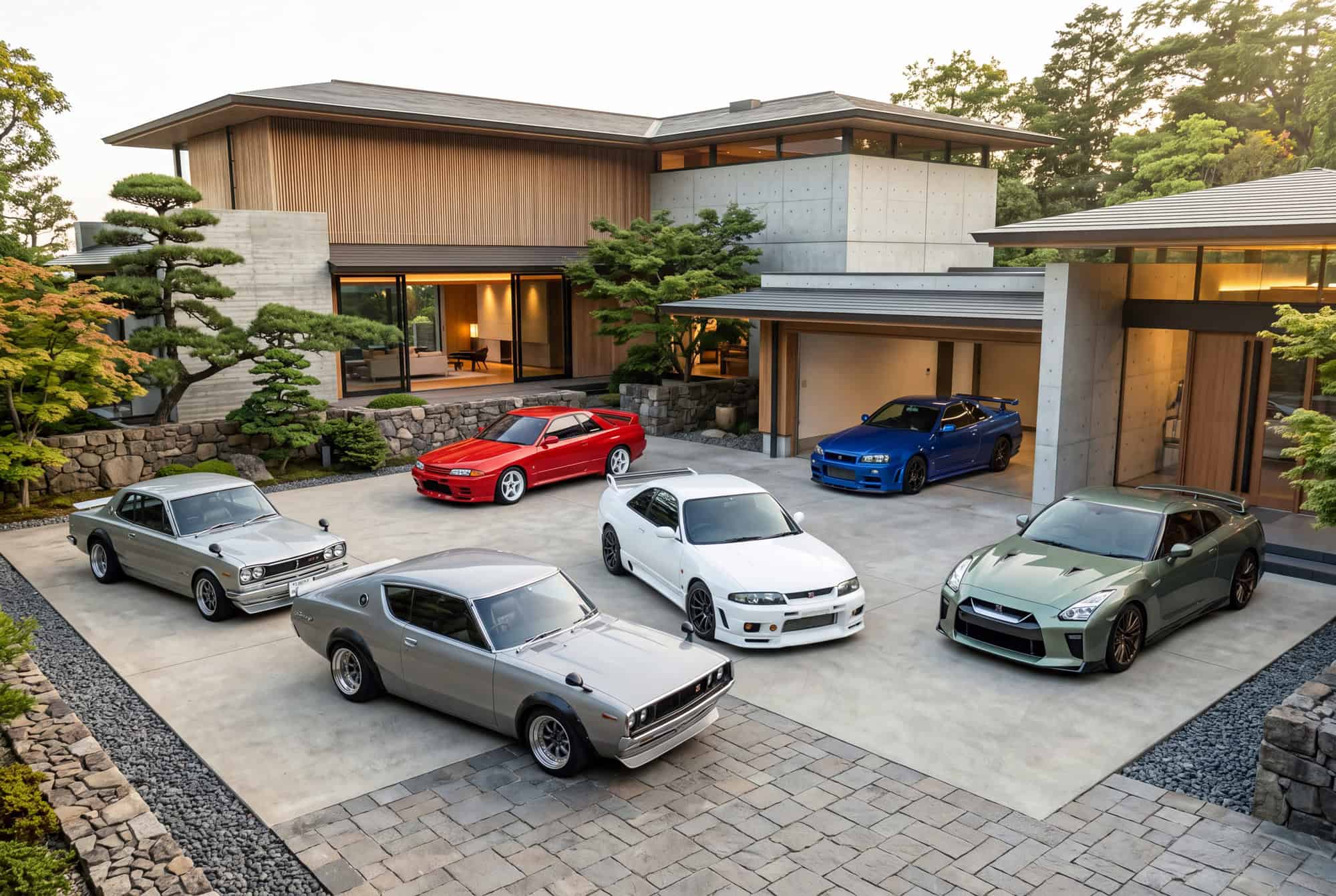
From the carbureted Hakosuka to the twin-turbo R35, here’s what to inspect, what to budget for, and how each GT-R feels to own.
A Nissan GT-R can mean a right-hand-drive sedan with three carburetors, a five-speed Skyline that feels most alive on a winding road, or a left-hand-drive coupe you can take on a weekend road trip and to a track day. All wear the same badge. They ask very different things of their owners.
Nissan ended R35 production in August 2025, closing an 18-year run. That leaves six production generations to shop, from the first Hakosuka to the standalone Nissan GT-R. Start with the kind of driving you want to do. Then buy the car with the body, paperwork, and service history to match.
Nissan GT-R generations at a glance
| Generation | Engine and gearbox | Why you’d own it |
| C10 Hakosuka · 1969–1972 | 2.0L S20 inline-six, 5-speed manual, RWD | Vintage touring-car feel in a sedan or hardtop |
| C110 Kenmeri · 1973 | 2.0L S20 inline-six, 5-speed manual, RWD | Rare Japanese design and a short production run |
| R32 · 1989–1994 | 2.6L RB26DETT twin-turbo inline-six, 5-speed manual, AWD | Compact, raw, and engaging at road speeds |
| R33 · 1995–1998 | 2.6L RB26DETT twin-turbo inline-six, 5-speed manual, AWD | A steadier, roomier Skyline for longer drives |
| R34 · 1999–2002 | 2.6L RB26DETT twin-turbo inline-six, 6-speed manual, AWD | The most developed Skyline GT-R and a pop-culture icon |
| R35 · 2007–2025 globally | 3.8L VR38DETT twin-turbo V6, 6-speed dual-clutch, AWD | Modern supercar pace with everyday usability |
C10 Hakosuka GT-R 1969 to 1972
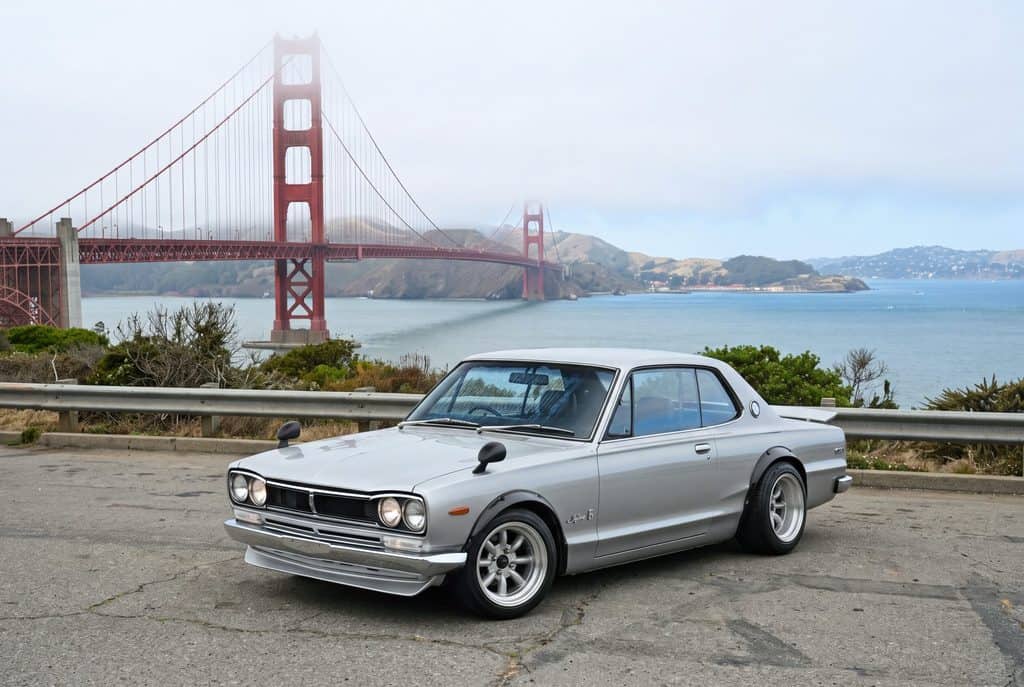
The four-door PGC10 launched the GT-R story in 1969. The two-door KPGC10 hardtop arrived in 1970 with a shorter wheelbase. Both use the naturally aspirated, twin-cam S20, a 2.0-liter inline-six that Nissan rated at 160 PS. The sedan gives you an understated piece of touring-car history. The shorter hardtop feels like the more focused weekend car.
What it’s like to own. The Hakosuka makes an ordinary drive feel like an occasion. You hear the carburetors, work the five-speed to keep the S20 in its stride, and get feedback through skinny tires at speeds you can use on the road. Expect old-car cold starts, more noise, and a short list of shops familiar with the S20. Find one before you buy.
What to inspect. Authenticate the PGC10 or KPGC10 chassis stamping and confirm the S20’s identity and history against period paperwork and restoration records. A Skyline GT or GT-X can wear convincing GT-R bodywork. Have a specialist look for repaired or replaced metal around the sills, floors, strut towers, wheel arches, and trunk. Ask for restoration photos and a true cold start. Listen for an uneven idle after warm-up and have the shop check compression and carburetor synchronization. Price missing original trim and S20-specific parts before putting a number on the car.
C110 Kenmeri GT-R 1973
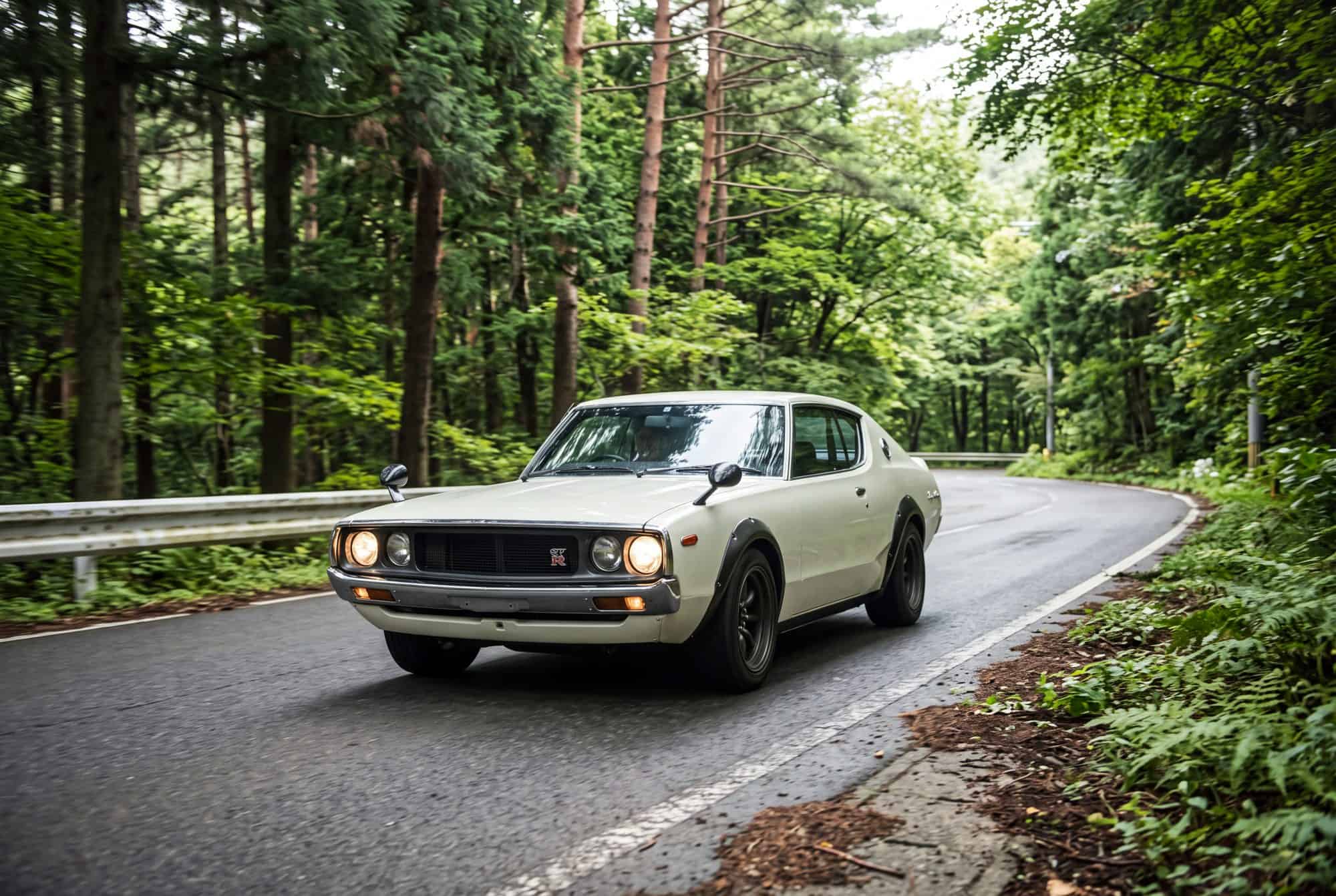
The KPGC110 carried the same S20 into a longer-looking fastback with prominent rear quarters and round taillights. Nissan says fewer than 200 were produced. Many more ordinary C110 Skylines survive, so the difference between a genuine Kenmeri GT-R and a tribute matters to both the purchase price and the eventual resale.
What it’s like to own. Buy the Kenmeri for the shape, the rarity, and the experience of driving a Japanese classic from a brief moment in Nissan history. The S20 still rewards revs, but the larger car has a more relaxed character than the Hakosuka hardtop. Ownership can involve a long search for the right trim or body panel and a shop that can work on the car.
What to inspect. Verify the chassis stamp, S20 identity, ownership chain, and period photos. Have a body specialist inspect the rear quarter repairs, wheel housings, rocker panels, floors, trunk, and windshield surrounds. Confirm the originality and condition of the flares, grille, badges, and interior. A good restoration should come with photographs and invoices that explain what was repaired or replaced. For a car this rare, commission an independent authentication and a mechanical inspection.
R32 Skyline GT-R 1989 to 1994
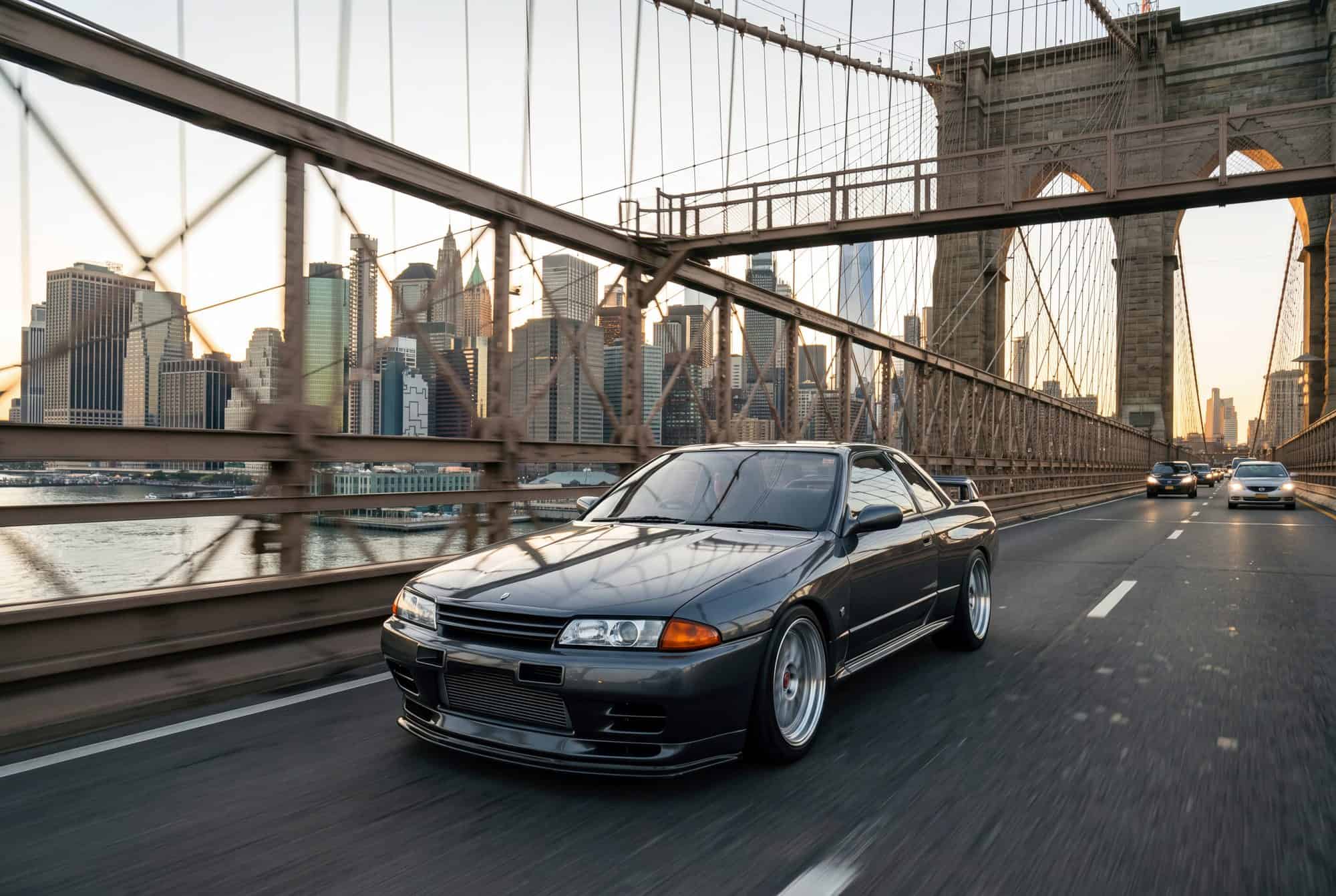
The BNR32 revived the GT-R name in 1989 and introduced the formula that would carry through the next two Skylines. Its RB26DETT pairs with a five-speed manual, ATTESA E-TS all-wheel drive, and HICAS rear-wheel steering. The R32 earned its Godzilla reputation in motorsport, but its compact footprint is what makes it so appealing on a narrow road.
What it’s like to own. You sit close to the corners of the car, feel the steering load up, and notice the shift from off-boost response to strong midrange pull. Even a stock example feels busy and involving. The trade-off is a 1990s cabin and three decades of aging seals, bushings, hoses, and wiring. A standard GT-R offers the core experience. NISMO, N1, V-Spec, and V-Spec II cars appeal to buyers who value authenticated specification.
What to inspect. Get it on a lift and check the rear arches, inner quarters, sills, jacking points, floors, and strut towers. Some early RB26 engines have a narrow crank drive for the oil pump. Ask an RB specialist to verify hot oil pressure with a mechanical gauge if readings are suspect and review documentation for any crank collar or pump work. Check for smoke, oil leaks, and timing-belt records. Ask how much boost the car runs and what turbos are fitted, since many standard cars used ceramic turbine wheels. Check for gearbox crunch, clutch slip, AWD or HICAS warning lights, and any rear-steering delete. Look for sun-damaged cabin plastics and reconcile the odometer with Japanese records if the cluster was changed.
R33 Skyline GT-R 1995 to 1998
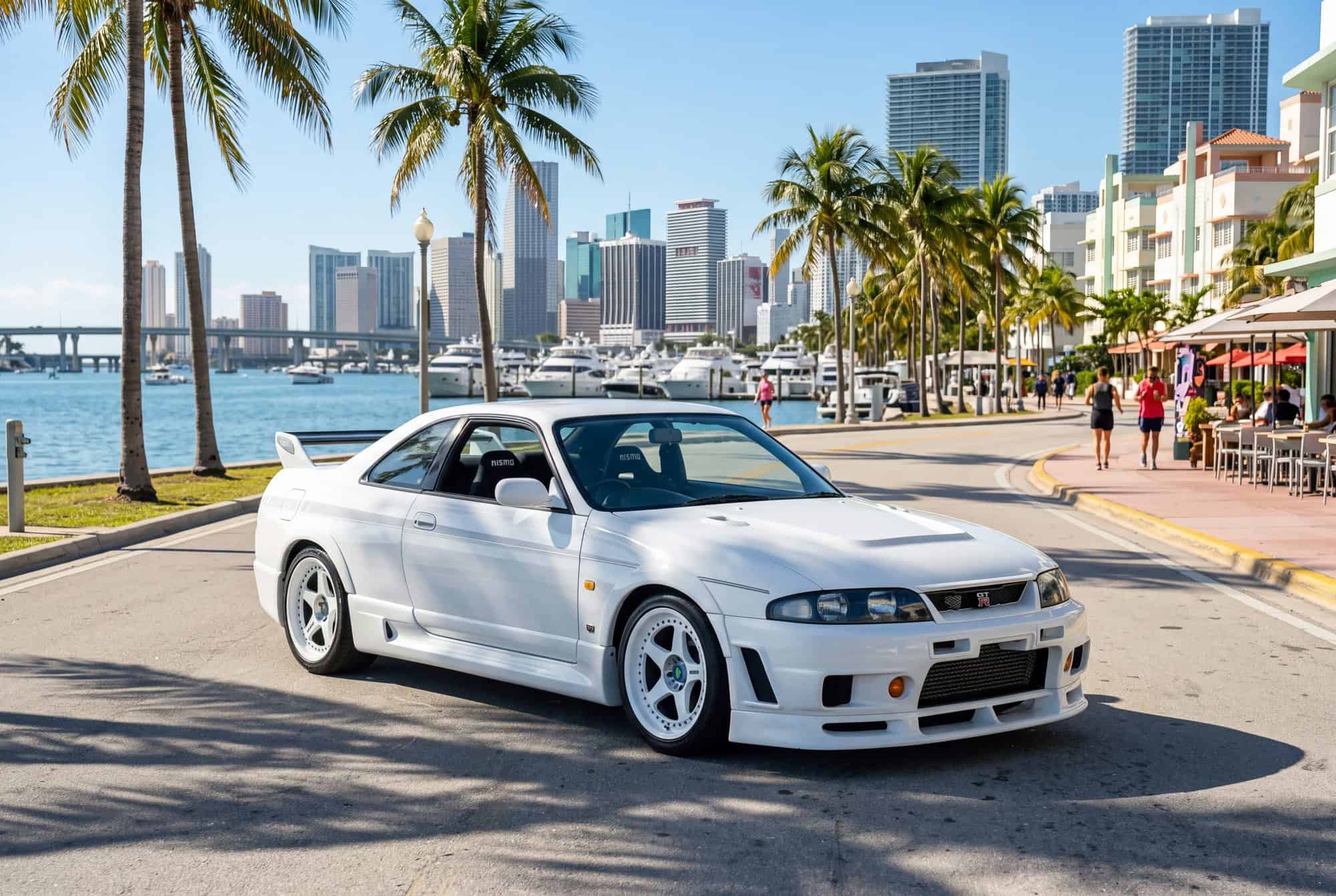
The BCNR33 keeps the RB26 and five-speed but adds a longer wheelbase and a more settled feel on rough or sweeping roads. The V-Spec adds ATTESA E-TS Pro with an active rear differential. Collector variants include the LM Limited, the NISMO 400R, and the Autech four-door GT-R. Each needs documentation specific to the variant.
What it’s like to own. The R33 is the manual Skyline we’d choose for regular weekend trips. It has more room to stretch out than the R32 and feels especially composed on a fast, uneven back road. A standard car is a good fit for a driver. A mechanically sound V-Spec adds another layer of character for anyone who wants the more sophisticated factory drivetrain.
What to inspect. Pay close attention to the seams and layered metal around the front strut towers, and inspect the chassis rails, jacking points, rear arches, sills, and trunk floor. Have a specialist check for rust hiding beneath fresh underseal and verify alignment if the car shows repair work. Drive it cold and warm to check for synchro wear, particularly on the shift into third, and listen for drivetrain noise on and off throttle. On a V-Spec, check the AWD and active differential for warning lights, faults, and leaks. Look for timing-belt, cooling system, turbo, and fluid records. If the seller is asking 400R money, verify NISMO build documentation and the correct RB-X GT2 engine with a marque expert.
R34 Skyline GT-R 1999 to 2002
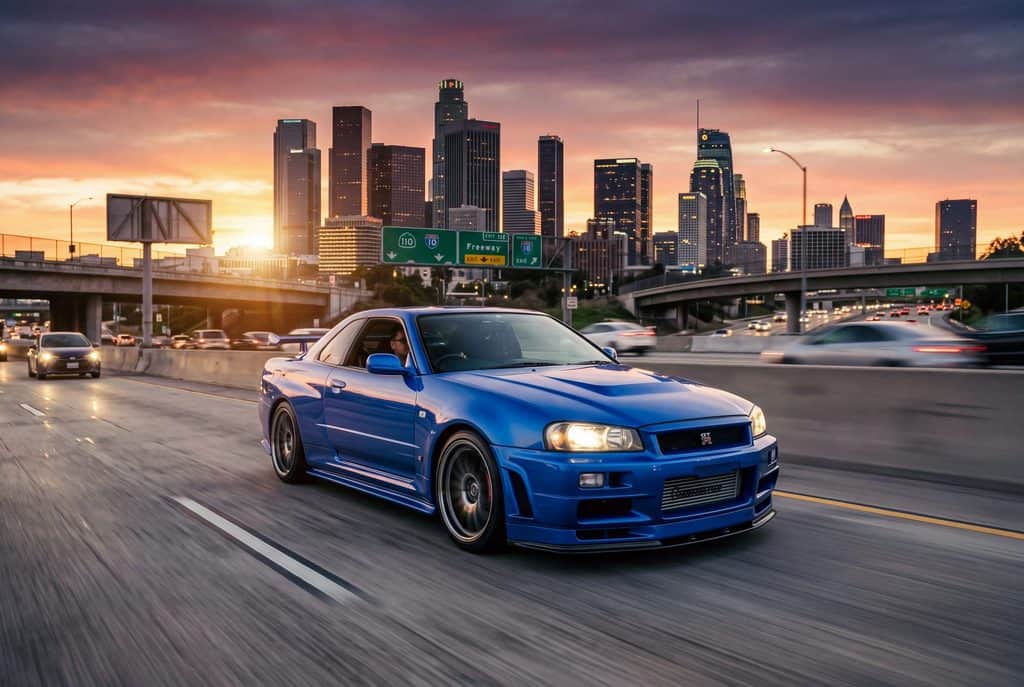
The BNR34 shortened the wheelbase relative to the R33 and introduced a Getrag six-speed manual and a dashboard multifunction display. Standard cars deliver the full RB26 experience. V-Spec cars add chassis and aerodynamic hardware, V-Spec II brought a carbon-fiber hood, and the M-Spec took a more road-oriented approach to suspension and trim. The late V-Spec II Nür and M-Spec Nür command particular attention from collectors.
What it’s like to own. The closer-spaced six-speed keeps the RB26 on song, and the shorter chassis makes the car feel more eager to change direction than the R33. The center display and unmistakable shape are part of the appeal if you grew up with Gran Turismo or the Fast & Furious films. A clean standard or M-Spec is worth a look if you plan to use the car often. Original paint, matching specification, and complete records matter more when you’re buying a rare edition for a collection.
What to inspect. Check the sills, inner rear arches, strut towers, and floor, then inspect the underbody aero and mounting points for damage or missing hardware. Use every page of the multifunction display. Drive the Getrag cold and warm, checking for baulking, grind, or first gear jumping out. Replacement parts can be expensive. Confirm the correct trim, build month, factory paint code, and mileage before paying a premium for a Nür, a rare color, or a claimed original car. Match the chassis to the auction sheet, export documents, and service records, and verify import eligibility before leaving a deposit.
R35 Nissan GT-R 2007 to 2025
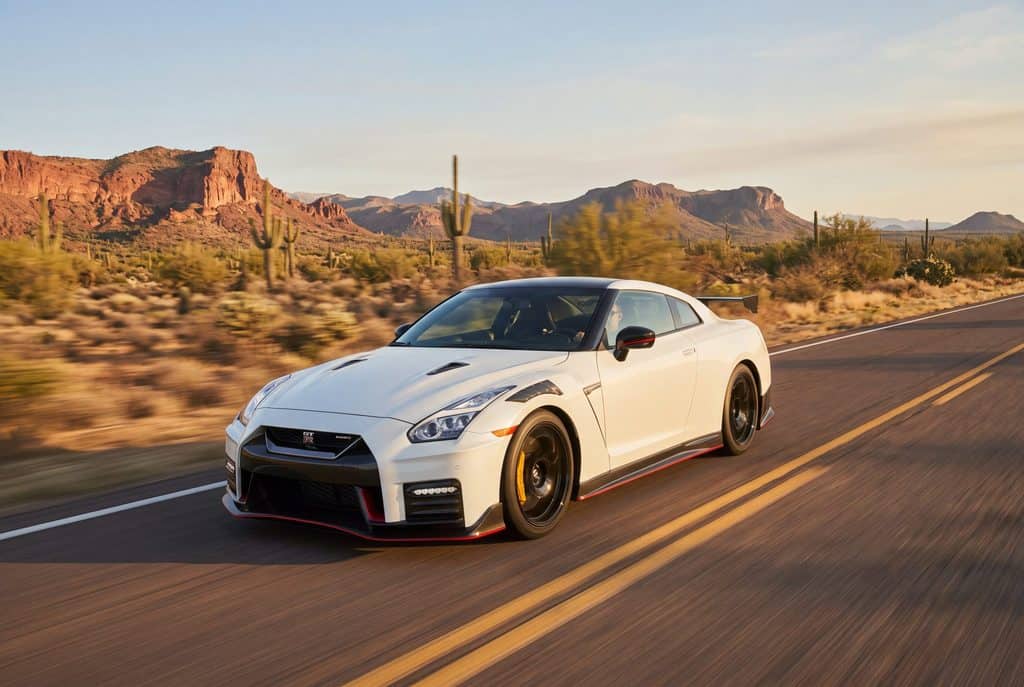
The R35 dropped the Skyline name and paired its hand-assembled VR38DETT twin-turbo V6 with a rear-mounted GR6 dual-clutch transaxle. It is the only generation Nissan officially sold new in the U.S. The 2009 U.S. model arrived with 480 horsepower, the 2012 reached 530, and the 2017 refresh brought 565 horsepower to the Premium alongside a redesigned cabin. For 2024, Premium and T-spec made 565 horsepower and the NISMO made 600. Japan received the final 2025 models.
What it’s like to own. Early R35s feel mechanical at parking-lot speeds and startlingly quick once moving. A 2012–2016 example is worth cross-shopping if you want stronger factory performance with much of that early character. A 2017-or-newer Premium is the one to try first for frequent drives, with a more refined ride and a better cabin. The T-spec adds collector appeal and, in 2024 U.S. trim, carbon-ceramic brakes. The NISMO suits a buyer who values sharper chassis tuning and is comfortable replacing expensive model-specific parts. A U.S.-market R35 gives you left-hand drive, and the trunk makes a weekend away realistic.
What to inspect. Start it cold and test first and reverse engagement, then have the specialist drive it through every gear once warm. Investigate delayed engagement, gear warnings, persistent shudder, and pronounced bellhousing rattle. Some mechanical noise is characteristic, so ask an experienced GT-R shop to distinguish it from a fault. Have the shop scan powertrain and transmission modules and review invoices for clutch, gearbox, differential, and fluid work. Check matching tire models, correct sizes, and inner-edge wear, then inspect brake rotors, undertrays, front splitter, and signs of track or collision repair. On carbon-ceramic-equipped cars, get a shop assessment of rotor condition and a replacement quote. For tuned examples, verify the build, fuel requirements, and calibration. A car returned to stock can still have a history of hard launches or high boost.
How to inspect and buy any used GT-R
Buy the history with the car. Match the physical chassis number or VIN to the title, invoices, and import documents. Ask for the original Japanese auction sheet if available and verify it independently. Reconcile kilometers, miles, and any replacement cluster using dated records.
Book an independent GT-R inspection. Ask for a cold start, a lift inspection, and a road test. On a turbo car with unknown tuning or signs of engine trouble, add compression and leak-down tests. Have the shop identify repairs that need attention immediately and estimate the cost.
Ask for a complete modification list. Find out who did the work, which parts and calibration were used, and what fuel the car needs. Factor in insurance, emissions compliance, and whether original parts come with the sale.
Budget for your first year. Get an insurance quote from Woodside before you bid. Set aside money for overdue service, tires, brakes, and parts sourcing. On an S20 car, identify a specialist and parts source. On an RB26 car, verify timing-belt and cooling-system work. On an R35, price drivetrain servicing and the cost of its specific brakes and tires.
Compare like-for-like sales. Use completed transactions for the same generation, trim, title status, and similar condition. Separate original, restored, and heavily modified cars when evaluating comparables. For rare trims, make documentation part of the price discussion.
Import paperwork and U.S. registration
NHTSA’s 25-year exemption from federal vehicle safety standards runs from the vehicle’s actual date of manufacture. As of November 2026, the R32 and R33 are beyond that threshold by age, while some R34s still require a wait. A March 2002 build reaches 25 years in March 2027. The EPA has separate emissions requirements. Its age-based exemption generally applies to vehicles at least 21 years old in original, unmodified configuration. If the engine or emissions equipment has been changed, verify the applicable rules with an experienced importer before committing.
For a Skyline already in the U.S., ask for the current title, proof of customs entry (typically CBP Form 7501), the DOT HS-7 declaration, and EPA Form 3520-1. Match the chassis number across the documents. Ask your state DMV what it needs to title and register the specific car, especially if it has a shorter Japanese chassis number or an out-of-state title. California has separate direct-import and emissions requirements. Verify those before buying, even if a car has already been registered elsewhere.
Which GT-R should you buy
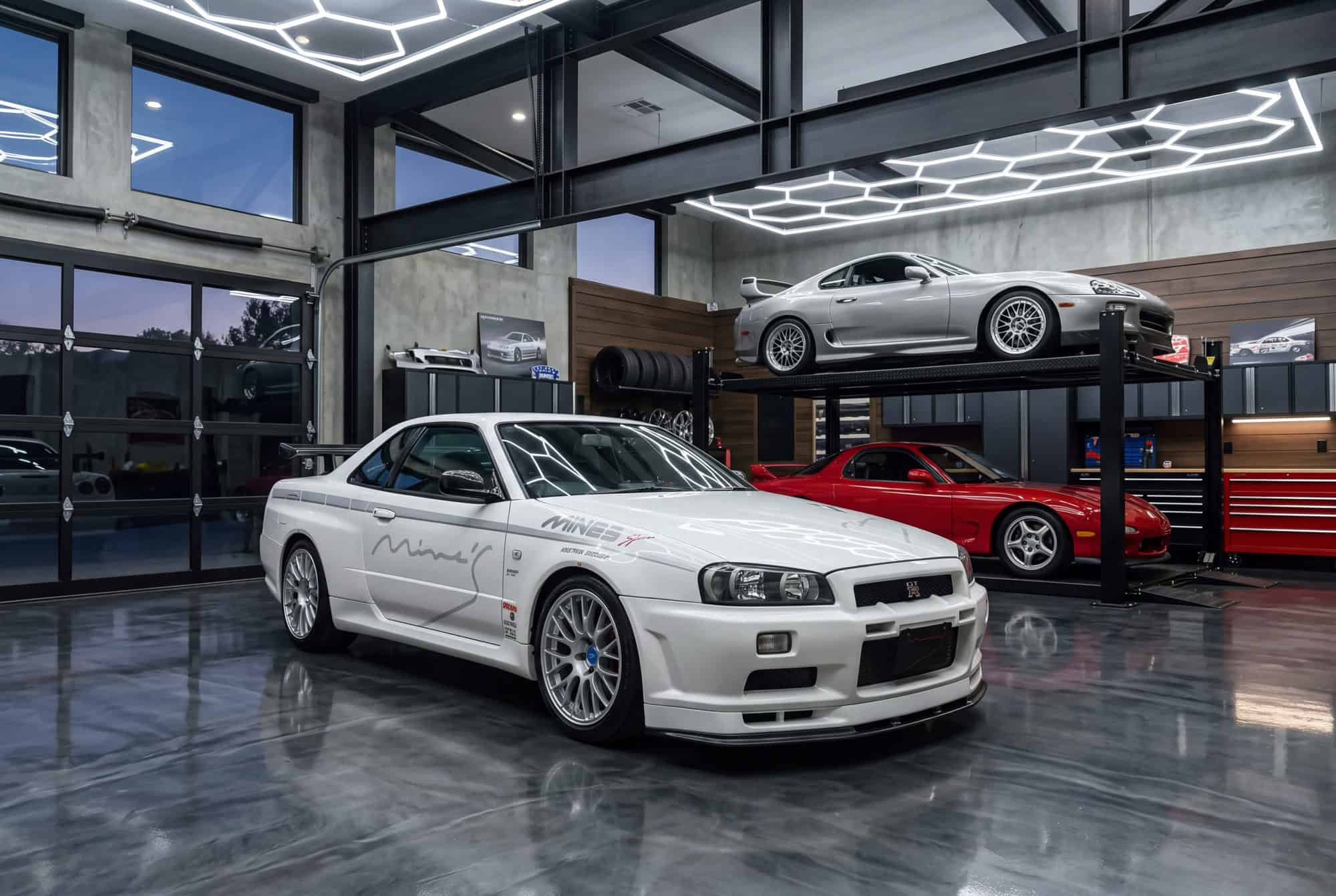
Start with an R32 if you want the rawest feel of the turbo Skylines, or an R33 if you’ll spend more time on long weekend drives. Choose the R34 for the six-speed and the most evolved version of the Skyline formula. Look for a 2017–2024 U.S.-market R35 Premium if you want modern pace, left-hand drive, and the easiest GT-R here to use frequently. For a vintage collection, the Hakosuka offers the strongest connection to the badge’s racing origins, while the Kenmeri is the choice for rarity and fastback styling.
If two examples are close in price, favor the one with a clean structure, verifiable mileage, and the better service trail. On a GT-R, those details can determine how much of your first year you spend driving it.
Financing a Nissan GT-R with Woodside Credit
Woodside Credit offers specialty financing for eligible collector and JDM vehicles. If you’re shopping for a GT-R, contact us with the model year, chassis number or VIN, title status, and asking price so we can confirm vehicle eligibility. Woodside does not currently offer financing on the 2007+ GTR’s. To qualify for Woodside Credit’s JDM financing, the vehicle must already have a U.S. title and be in very good, operational condition. Explore Woodside Credit’s JDM financing
Have a specific car in mind? Request a Quick Quote to estimate your monthly payment.