


How to choose the right AP1 AP2 or CR and buy one with confidence.
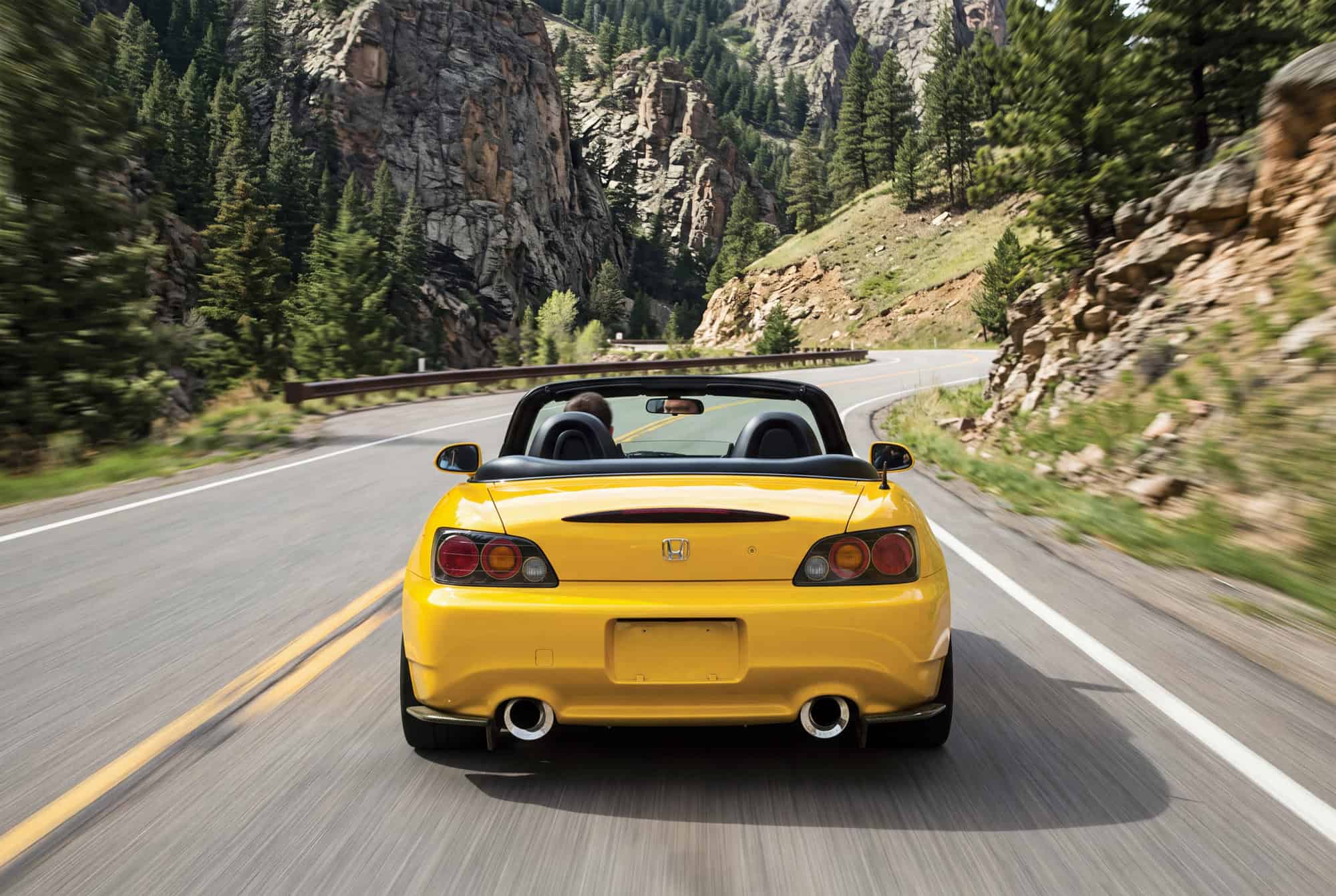
There is a moment in a Honda S2000 when the road opens, the engine revs to 9,000rpm, and the whole car seems to sharpen around you. The shifter moves through its short gate, the digital orange tachometer sweeps across the dashboard , and a familiar Honda badge suddenly feels attached to something extraordinary.
That experience explains the S2000’s enduring appeal. Its naturally aspirated engine, six-speed manual transmission, rear-wheel drive, and open cockpit offer a compelling reason to take the long way home. For enthusiasts adding a Japanese sports car to the garage, it deserves a place on the shopping list.
Buying the right example requires patience. A carefully maintained driver can be a more rewarding purchase than a lower-mileage car with neglected maintenance or questionable repairs. This guide focuses on U.S.-market 2000–2009 models and the differences, inspection points, and ownership considerations that matter before you buy.
Understanding the S2000 model years
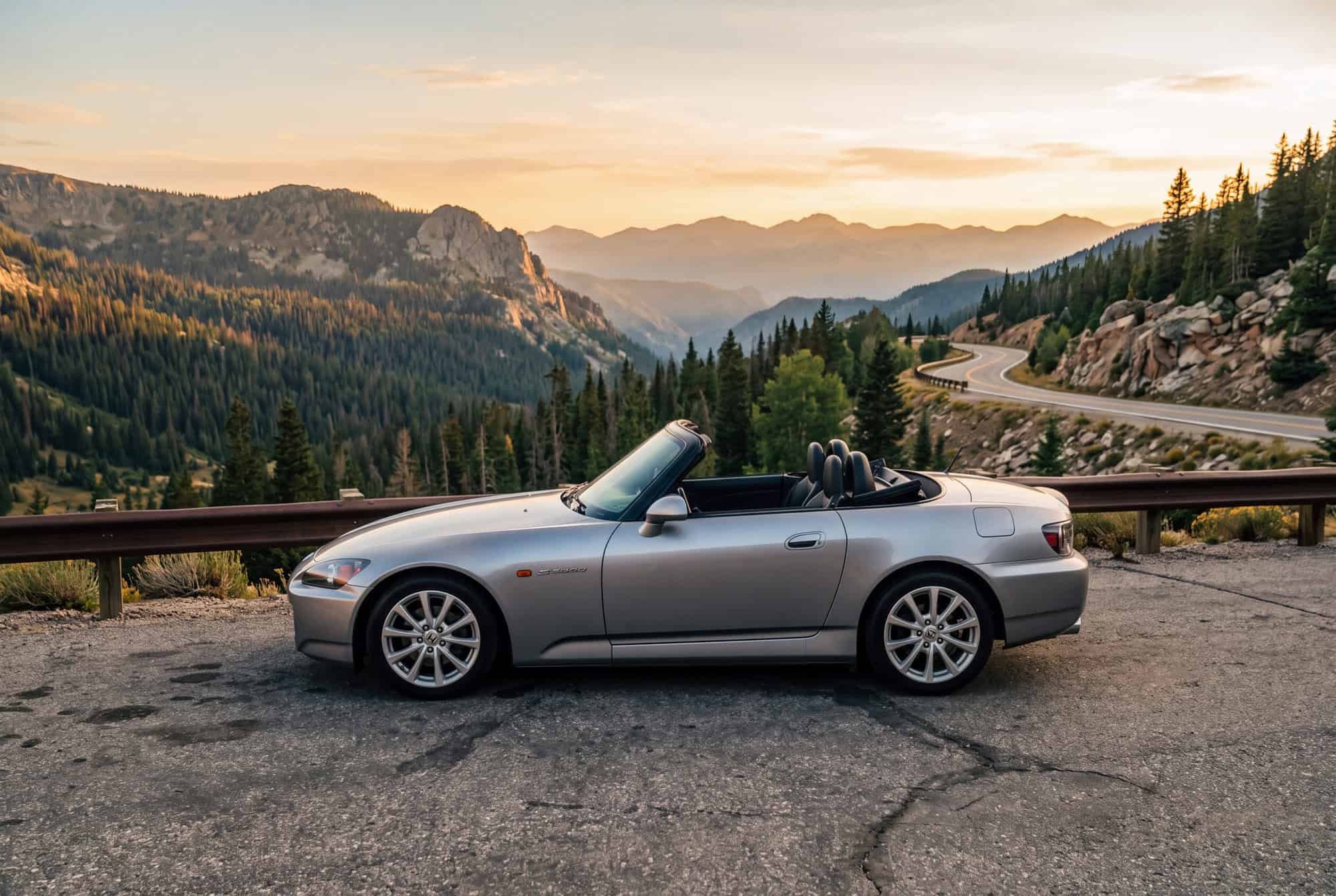
Enthusiasts generally divide U.S.-market S2000s into AP1 and AP2 versions. Both share the same basic roadster concept, but the engine and chassis revisions change the driving experience. These dates and specifications apply to U.S. cars; overseas versions do not always follow the same timeline.
| U.S. model years | Version | Engine and advertised output | Main buying distinction |
| 2000–2001 | AP1 | 2.0-liter F20C; 240 hp | Earliest configuration; originally fitted with a plastic rear window |
| 2002–2003 | AP1 | 2.0-liter F20C; 240 hp | Glass rear window with defroster and transmission refinements |
| 2004–2005 | AP2 | 2.2-liter F22C1; 240 hp | More torque, revised chassis and gearing, 17-inch wheels; cable throttle retained |
| 2006–2009 | AP2 | 2.2-liter F22C1; 237 hp under revised SAE procedures | Electronic throttle and Vehicle Stability Assist |
| 2008–2009 | AP2 CR | 2.2-liter F22C1; 237 hp | Club Racer package with track-focused chassis, aero, and removable hardtop |
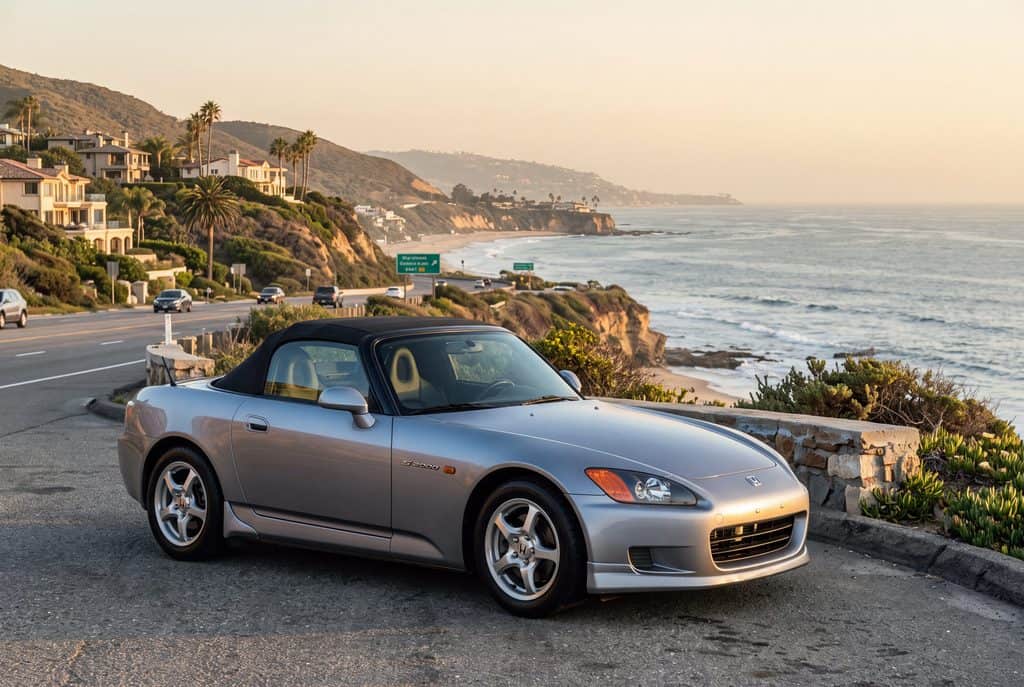
AP1 and the appeal of the original engine
The AP1 is the S2000 for buyers drawn to the original engine’s extraordinary appetite for revs. Its 2.0-liter F20C produced a U.S.-rated 240 horsepower at 8,300 rpm and 153 lb-ft of torque at 7,500 rpm. Honda’s technical comparison lists an 8,800-rpm rev limit and 9,000-rpm fuel cutoff.
Those figures help explain its personality. The AP1 rewards an engaged driver who enjoys choosing gears and letting an engine work. If you expect effortless acceleration in a tall gear, try one before deciding it is the right sports car for you.
For buyers who want this experience with useful factory updates, the 2002–2003 cars deserve particular attention. Honda added a heated glass rear window for 2002, along with transmission and interior refinements. Earlier cars may now wear replacement tops, so verify what is actually installed.
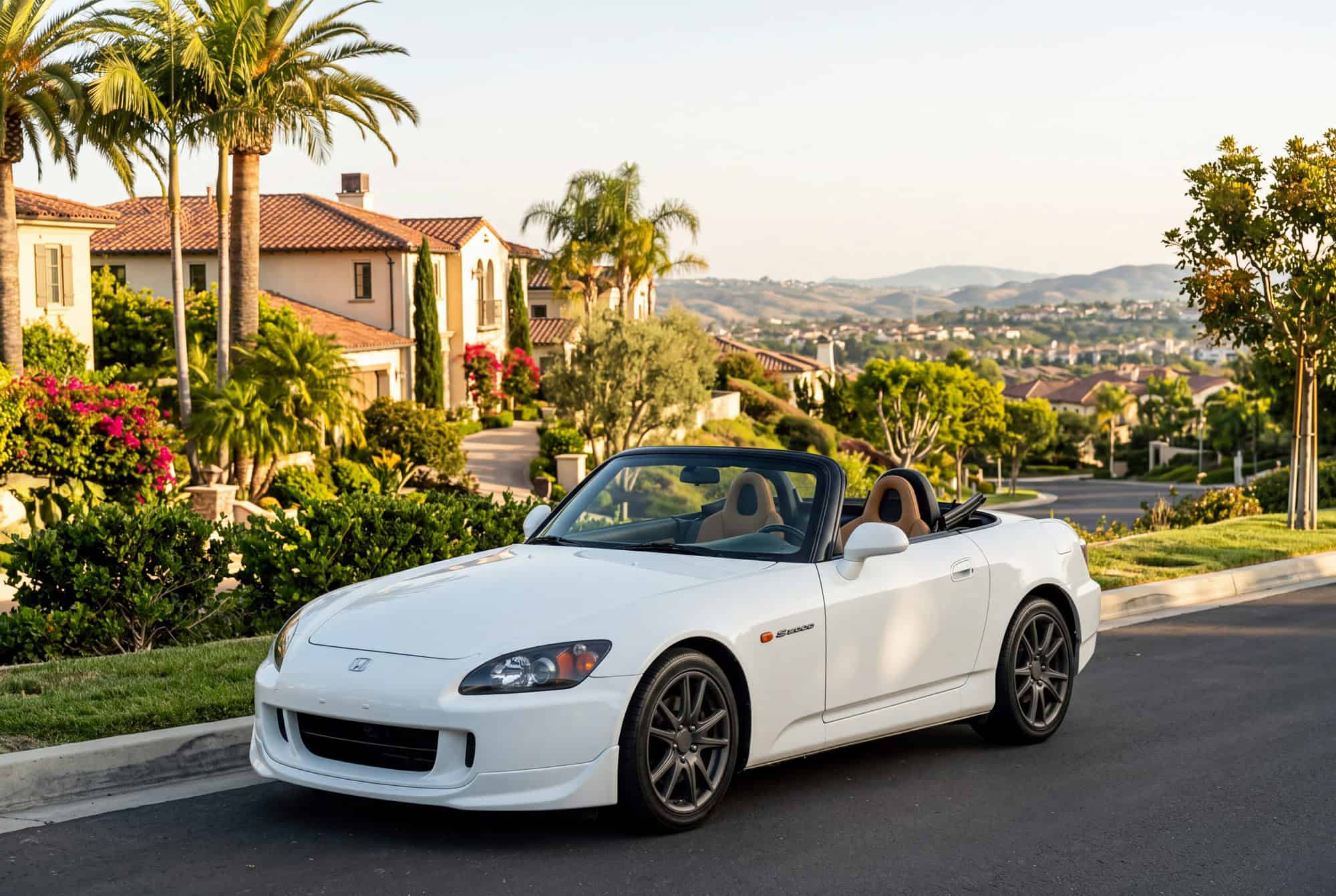
AP2 and the case for more usable torque
For 2004, the U.S. S2000 received a 2.2-liter F22C1 engine. Advertised horsepower initially remained at 240, while torque increased to 162 lb-ft. Honda also revised gearing, suspension geometry, wheel and tire dimensions, and exterior details. Its technical literature distinguishes an 8,000-rpm rev limit from an 8,200-rpm fuel cutoff.
The result is a different emphasis: the AP2 offers more accessible torque while preserving the S2000’s willingness to rev. We would put a clean AP2 near the top of the list for buyers planning regular weekend drives.
The 2004–2005 models are especially interesting if you prefer a mechanical throttle cable. For 2006, Honda introduced electronic throttle control and Vehicle Stability Assist. Buyers who value that additional electronic assistance should begin with 2006–2009 examples, while still prioritizing tires, condition, and maintenance.
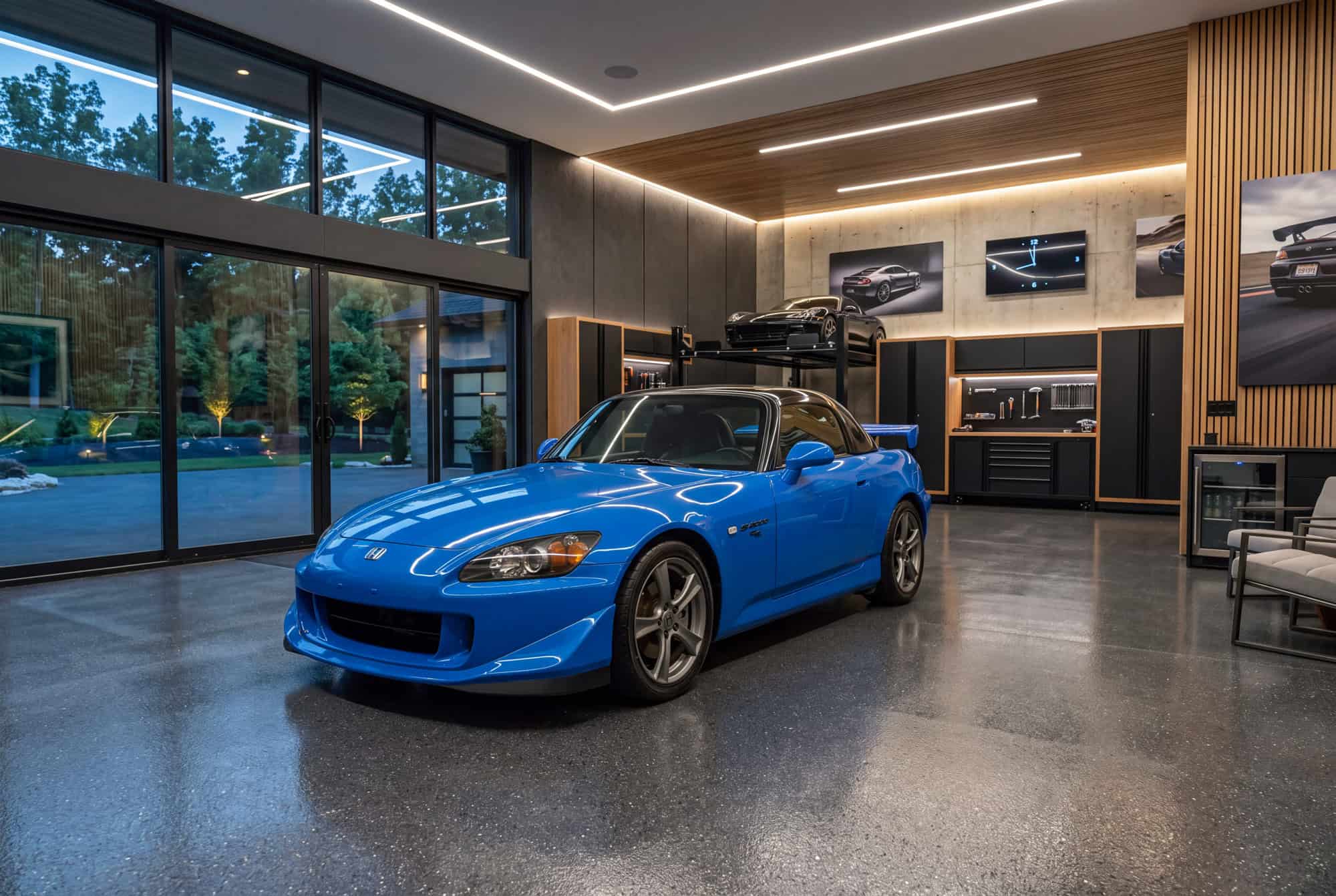
What makes the S2000 CR special
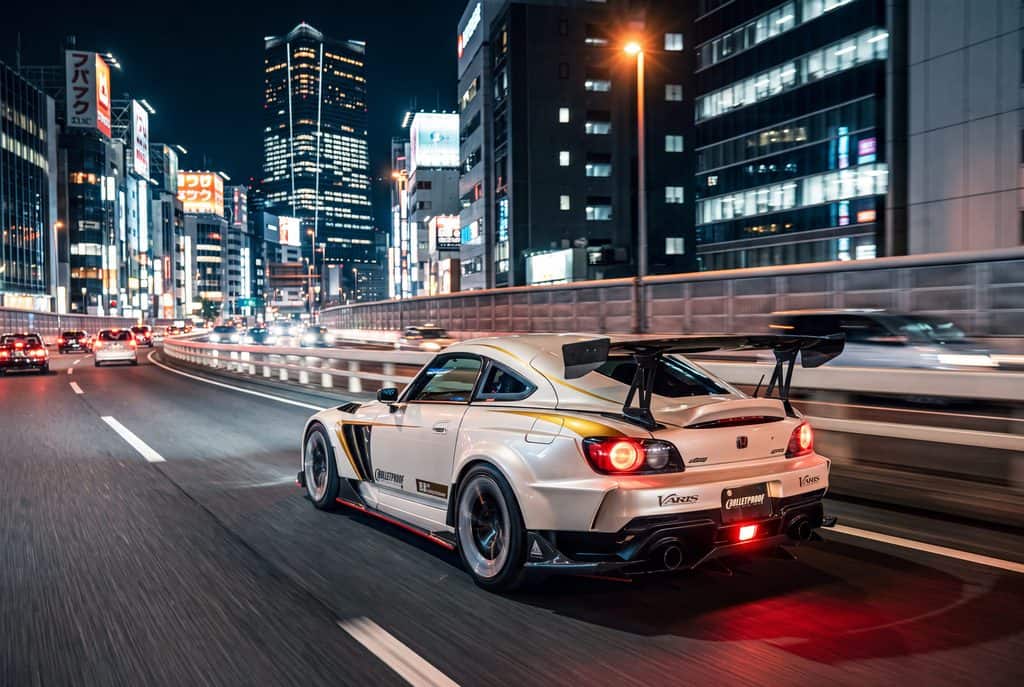
The Club Racer is much more than an S2000 with a rear wing. Introduced for the 2008 model year, it received firmer suspension tuning, quicker steering, aerodynamic changes, wider rear tires, and additional chassis bracing. The conventional soft top was omitted, and a removable aluminum hardtop was supplied. Air conditioning and audio were available rather than standard. Engine output remained 237 horsepower.
Its appeal lies in that focused factory specification. For a collection, authenticity and completeness matter: verify the car’s identity and original equipment through documentation, and inspect the hardtop, interior, wheels, aero pieces, and hardware carefully. A standard AP2 wearing CR-style parts should be valued as a modified standard car.
For frequent roof-down outings, consider whether a conventional S2000’s powered soft top better suits your plans. A desirable specification still needs to fit the way you will use the car.
How much should you pay
S2000 pricing spans several distinct markets. Regular drivers, exceptionally preserved standard cars, and genuine CRs should be compared separately.
At the time of research in November 2026, CLASSIC.COM displayed market benchmarks of approximately $30,000 for AP1 cars, $35,400 for base AP2 cars, and $74,700 for CRs. These are broad data-based benchmarks, not appraisals or promises of what a particular car will sell for.
Build your offer around recent completed sales with similar mileage, history, originality, and condition. Distinguish an auction hammer price from the buyer’s total after fees. Dealer asking prices can provide context, but a listing alone does not establish a completed transaction.
Before paying a premium, ask what supports it. Original paint, a documented history, an appealing factory specification, and unusually good preservation may justify more money. Deferred maintenance, accident repairs, missing equipment, and undocumented modifications should change the calculation. Buy primarily for the ownership experience; future appreciation is uncertain.
Start with the history before inspecting the car
Request the VIN, title status, service records, modification list, and clear underbody photographs before traveling. Ask how long the seller has owned it, where it has lived, whether it has been tracked, and whether the engine or transmission has been replaced or rebuilt.
A vehicle-history report is useful, but pair it with invoices and physical inspection. Ask the seller to leave the engine cold for your appointment. A refusal to allow an independent inspection is a strong reason to keep looking.
Check recall information through NHTSA and ask a Honda dealer to confirm applicable campaigns and completion history. NHTSA notes that its VIN search may omit recalls more than 15 years old, so a clean online result alone is insufficient for a car of this age.
Engine health and oil maintenance
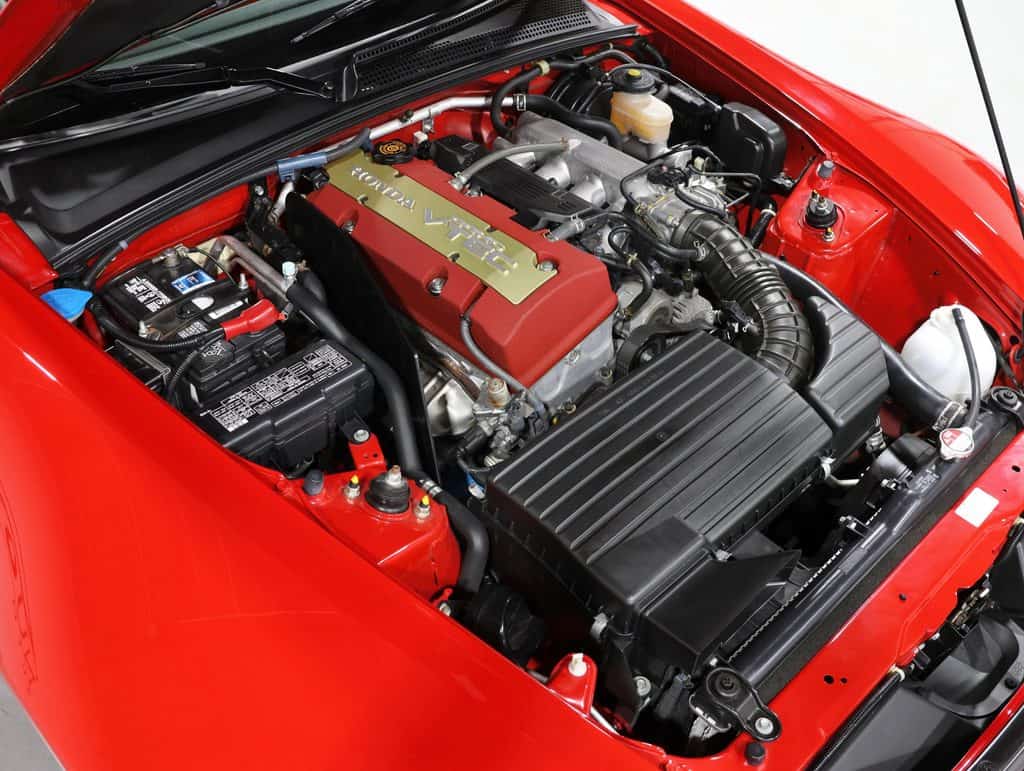
Oil history deserves close attention, particularly on an AP1. Oil consumption and timing-chain tensioner wear as buying considerations. Ask the owner how frequently the oil level is checked and how much is added between services.
Have a specialist investigate a low oil level, persistent smoke, leaks, abnormal noise, or unexplained consumption. Listen at a cold start and again once warm. The engine uses a timing chain, but that does not make its tensioner maintenance-free. A persistent rattle needs a diagnosis before purchase.
Ask for records of valve-clearance inspections and adjustments. Where the history or symptoms justify it, request compression and leak-down testing, interpreted against the correct service information and test conditions. A single compression number quoted in an advertisement is not a full assessment of engine health.
For an early car intended for sustained track use, discuss Honda’s later oil-squirter bolt revisions with an S2000 specialist. Verify what has actually been fitted rather than assuming every car has received the same updates.
Valve retainers and evidence of overrevving
Cracked valve retainers are a documented inspection concern. Have a technician familiar with the S2000 assess the valvetrain, particularly when the car’s history is uncertain. Check retainers during a specialist inspection.
A seller’s statement that the engine has “never missed a beat” cannot establish the condition of internal components. If retainers, the cylinder head, or the engine have been replaced, ask for the invoice, parts specification, and reason for the work. A documented repair can be reassuring; unexplained work requires more investigation.
Transmission clutch and differential
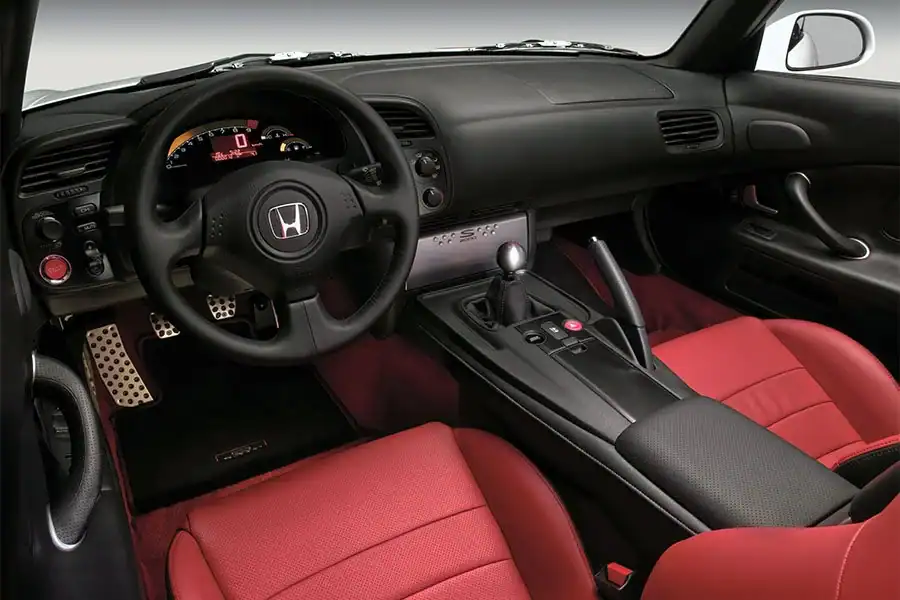
The gearbox should deliver the precision that makes an S2000 memorable. During the test drive, assess every gear as the drivetrain warms. Note grinding, difficulty engaging a gear, or a tendency to jump out of gear. Synchronizer wear and gear engagement problems merit specialist attention.
Ask the inspector to assess clutch operation, hydraulic leaks, engine and transmission mounts, differential condition, axle boots, and drivetrain vibration. Avoid accepting “they all do that” as a diagnosis for an unexplained noise. Get a written estimate before using a repair allowance to negotiate.
Bodywork rust and accident repairs
Inspect the paint and structure as carefully as the engine. Review accident history, inconsistent panel gaps, paint mismatch, rear wheel arch corrosion, and seized suspension components as concerns.
Have the car inspected on a lift. Request attention to the sills, jacking points, wheel arches, underside, subframes, mounting points, and evidence of previous repairs. Fresh undercoating should prompt questions about the condition underneath it.
Compare panel identification labels where present, paint thickness, seam sealer, and fasteners. Missing labels or painted bolts warrant investigation but do not prove a serious collision by themselves. Likewise, matching labels and a clean history report do not replace a structural inspection.
Suspension wheels tires and brakes
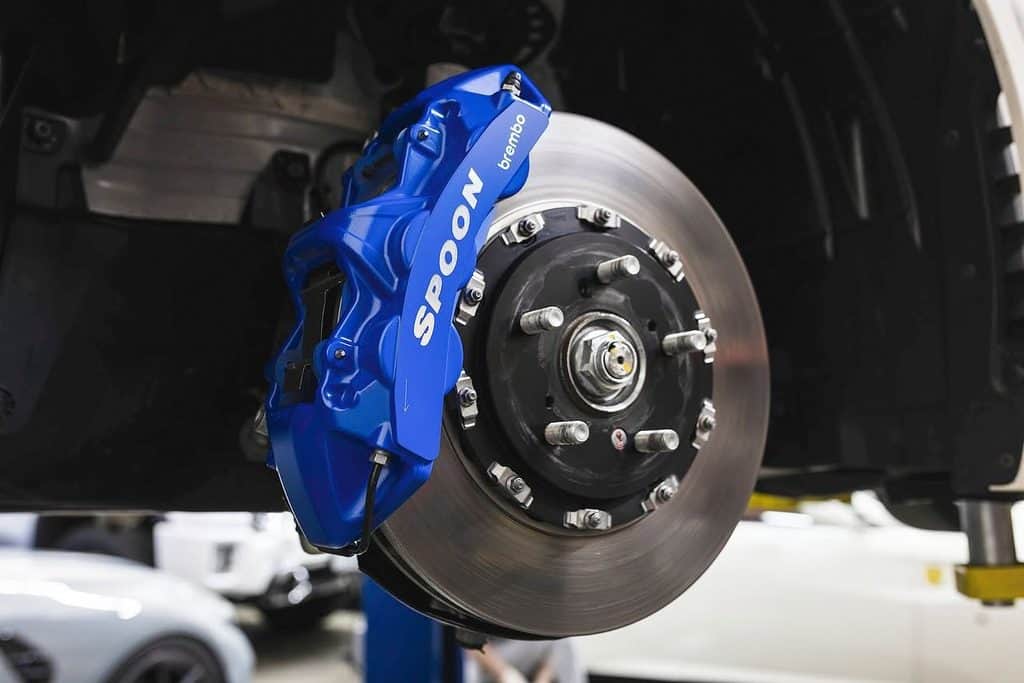
An attractive set of wheels can distract from expensive work underneath. Have the inspector check dampers, bushings, ball joints, bearings, brake condition, and alignment adjusters. Seized components can complicate an otherwise routine alignment.
Check tire age, condition, suitability, and fitment. An alignment printout is useful, especially on a lowered car. Ask whether the suspension can still be adjusted correctly and whether its settings suit your intended driving.
Treat uneven wear, steering pull, scraping, or unexplained vibration as clues requiring diagnosis. If modifications have changed wheel offsets, tire sizing, ride height, or geometry, have the whole combination assessed rather than judging each part in isolation.
Soft top interior and everyday usability
Operate the roof through a complete cycle and inspect the fabric, seams, window, latches, and seals. Check beneath floor mats and inside the trunk for moisture, staining, or odors. Soft-top condition, wheel bearings, and dashboard bubbling or cracking are among the inspection areas.
Test the air conditioning, windows, mirrors, lighting, instruments, stereo, locks, and warning lamps. Confirm that any included hardtop fits correctly and has its required mounting hardware.
Spend time in the driver’s seat before committing. Check legroom, pedal access, visibility, and comfort with the roof raised. A short drive may sell you on the engine; a longer drive will reveal whether the cabin, noise, and storage work for your life.

Should you buy a modified S2000
Judge a modified car by its documentation, installation quality, and suitability for your plans. Ask who selected and fitted the parts, how the car was tuned, and whether the original equipment is included.
For a turbocharged, supercharged, or engine-swapped example, seek an inspector with experience of that specific setup. Request evidence supporting the engine management, fueling, cooling, drivetrain, and emissions configuration. Confirm registration and inspection requirements for your location before purchase.
Track use should lead to detailed questions about preparation and maintenance. Ask for event history, servicing records, inspection results, and explanations for safety equipment or body changes. Neither a stock appearance nor expensive aftermarket parts establishes that a car has been treated well.
Budget for ownership before making an offer
Leave room beyond the purchase price for an initial service, tires, fluids, alignment, and any identified repairs. Obtain local estimates for the actual car instead of relying on a universal annual maintenance figure.
An older low-mileage example may need work related to age or storage. A higher-mileage car may be appealing when its care is well documented. Ask about parts availability and lead times for anything unusual or missing, especially model-specific trim and CR equipment.
Arrange insurance before collection and understand any mileage, storage, or usage restrictions. Your first-year budget should cover the car you are buying today, including its inspection findings.
Which S2000 should you buy
Our starting recommendation is a well-documented, largely original AP2 for buyers who want to drive regularly. Consider a 2006–2009 example if you value Vehicle Stability Assist, or a 2004–2005 car if you prefer the cable throttle.
If the original engine experience is your priority, a carefully maintained 2002–2003 AP1 is a compelling place to begin. Collectors seeking the CR should focus on verified identity, completeness, and condition before chasing a particular mileage figure.
The strongest purchase is the car whose specification, history, and inspection findings match your expectations and budget. Give yourself permission to walk away when those pieces do not agree.
Financing your Honda S2000 with Woodside Credit
The S2000’s appeal comes from the details: an eager engine, a precise gearbox, and a roadster built around the driver. Finding a good one takes diligence, but the right example offers plenty of reasons to plan the next drive.
Woodside Credit specializes in financing collector vehicles, helping qualified enthusiasts explore monthly payment options while retaining cash for other priorities. Once you find the right S2000, contact our team or request a Quick Quote to discuss eligibility and available terms for that vehicle.
Found the right Honda S2000? Apply today.