


The first modern Ford GT gives you a supercharged V8 and a six-speed manual. Its successor puts you in a carbon-fiber tub with a twin-turbo V6, paddle shifters and a rear wing that doubles as an air brake. Both trace their roots to the GT40 that beat Ferrari at Le Mans, yet they ask very different things of an owner. The early car rewards a careful look at its aluminum chassis and service history. The later car calls for a specialist who can assess its carbon structure, hydraulics and active aero.
Here’s how to shop the two modern Ford GT road-car generations, recognize the factory editions and understand where the original GT40 and the track-only Mk II and Mk IV fit.
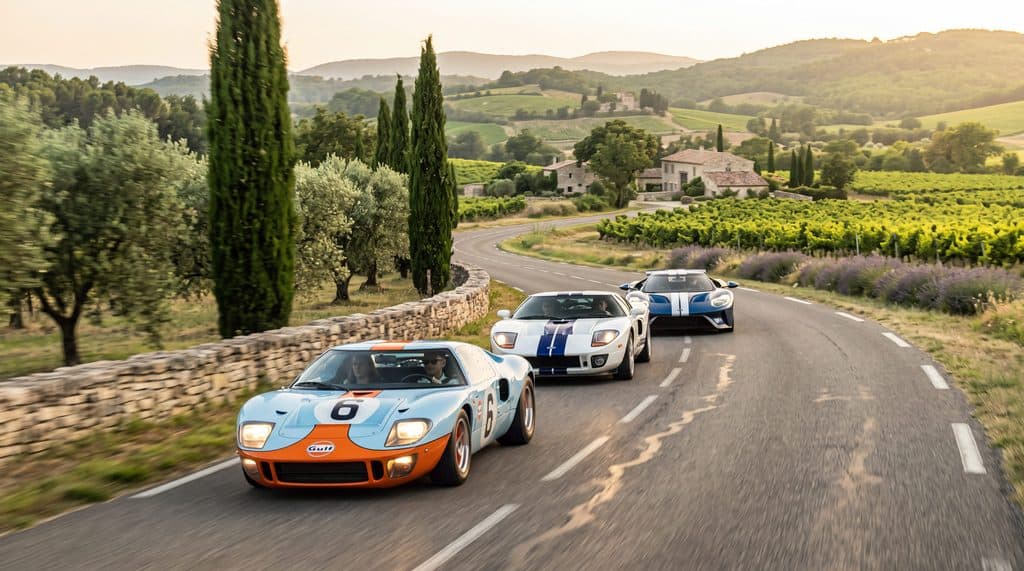
Ford GT generations at a glance
| Model | Powertrain | Gearbox | Why collectors buy it |
|---|---|---|---|
| 1964–1969 Ford GT40 | Ford V8s from early 4.2-liter prototype engines to 7.0-liter race engines | Period 4- or 5-speed manual, depending on the car | Original Le Mans history and individual chassis provenance |
| 2005–2006 Ford GT | 5.4-liter supercharged V8, 550 hp | 6-speed manual | Analog controls, V8 character and GT40-inspired styling |
| 2017–2019 Ford GT | 3.5-liter twin-turbo EcoBoost V6, 647 hp | 7-speed dual-clutch | Carbon construction, active aero and the modern Le Mans connection |
| 2020–2022 Ford GT | Revised 3.5-liter twin-turbo EcoBoost V6, 660 hp | 7-speed dual-clutch | Updated cooling and powertrain, plus later factory editions |
| Ford GT Mk II and Mk IV | Track-only twin-turbo V6s, 700 hp and 820-plus hp, respectively | 7-speed dual-clutch in Mk II, 6-speed paddle-shift racing gearbox in Mk IV | Dedicated circuit use and very limited production |
1964–1969 Ford GT40: Start with the chassis number
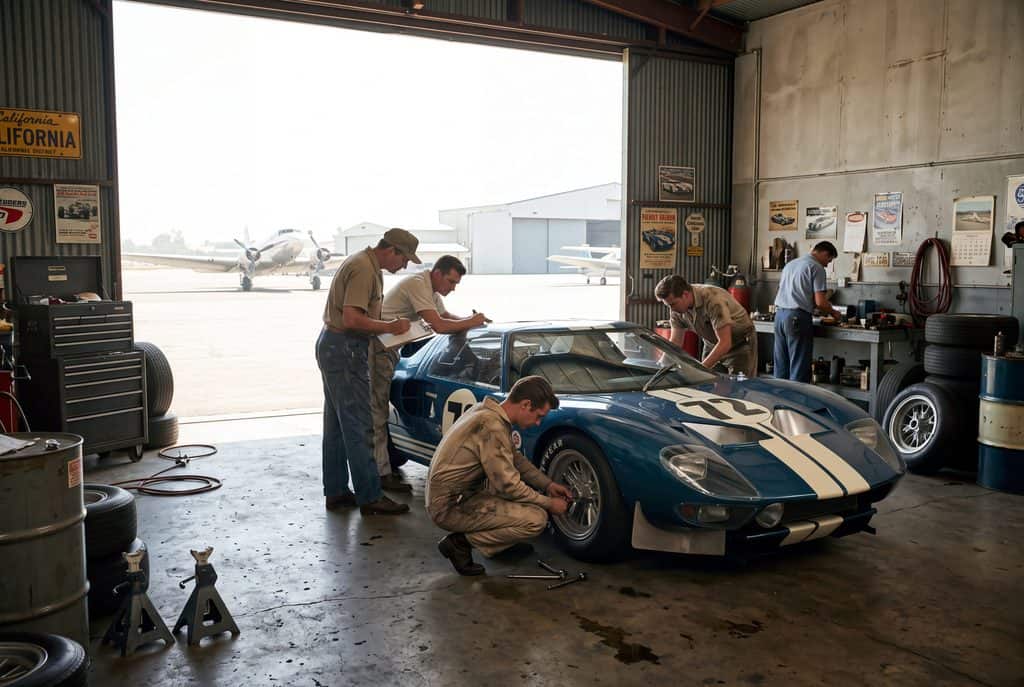
Ford swept the overall podium at Le Mans in 1966 with the Mk II, won outright in 1967 with the Mk IV and won again in 1968 and 1969 with the same Gulf-liveried Mk I, chassis P/1075. With an original GT40, who built, raced, repaired and owned the specific car can matter more than its nominal year or specification.
| GT40 version | Engine and construction | What makes it distinct |
|---|---|---|
| Early GT prototypes and Mk I | Early cars used 255-cu-in (4.2L) V8s. The Mk I is best known for its 289-cu-in (4.7L) V8, while later Gulf race cars used 302-cu-in (4.9L) engines. Steel chassis and period 5-speed transaxles were typical. | The original shape and the basis for the 1968 and 1969 Le Mans winner. Period road and racing builds differed. |
| Mk II and Mk IIB | 427-cu-in (7.0L) big-block V8 and 4-speed transaxle. Period outputs varied by race preparation, with examples around 485–500 hp. | Mk II cars delivered the 1966 Le Mans sweep. Mk IIB was an evolution of the big-block race car. |
| Mk III | Road-tuned 289-cu-in (4.7L) V8, 306 bhp and 329 lb-ft, with a 5-speed manual. | Seven built. Round headlights, a longer rear deck for luggage and more accommodating road trim. The Petersen lists a 165-mph top speed. |
| J-car and Mk IV | The J-car was the development precursor. The Mk IV used an aluminum honeycomb chassis, a 427-cu-in (7.0L) V8 and a 4-speed transaxle. | The reshaped Mk IV won Le Mans in 1967 with Dan Gurney and A.J. Foyt. |
GT40 specifications varied by chassis, event and period configuration. GT40 technical history
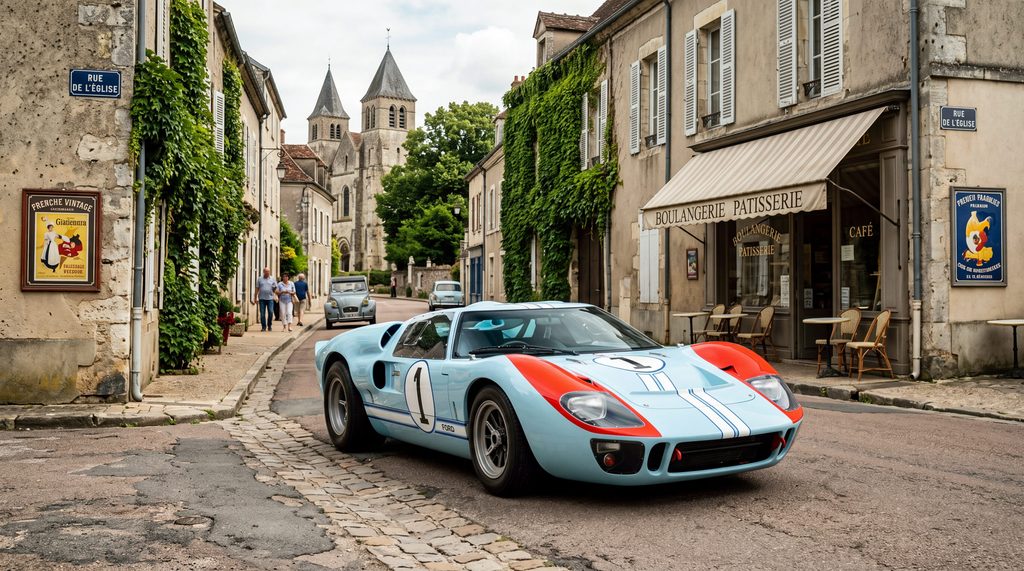
What to look for. Hire a GT40 specialist to reconcile chassis stamps, period photographs, build and race records, ownership history and restoration invoices. Ask which sections of the original structure survive, when the engine or transaxle changed, and whether any other car claims the same identity. A period rebuild can be part of a documented racing history. For a continuation or replica, establish the builder, build date, donor components and title description before comparing it with similar cars. If the plan is to drive it on the street, verify the paperwork and registration status before committing.
2005–2006 Ford GT: The supercharged manual

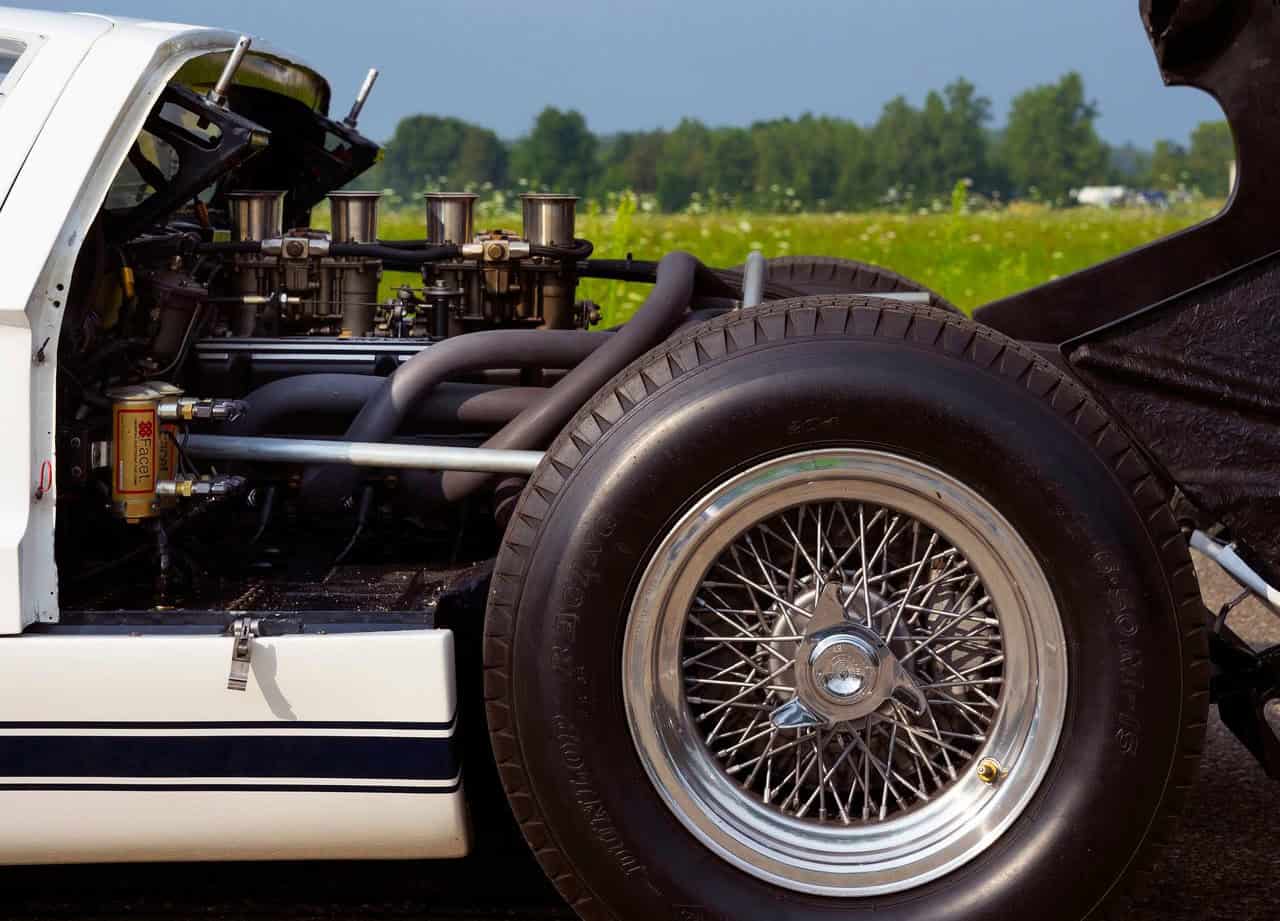
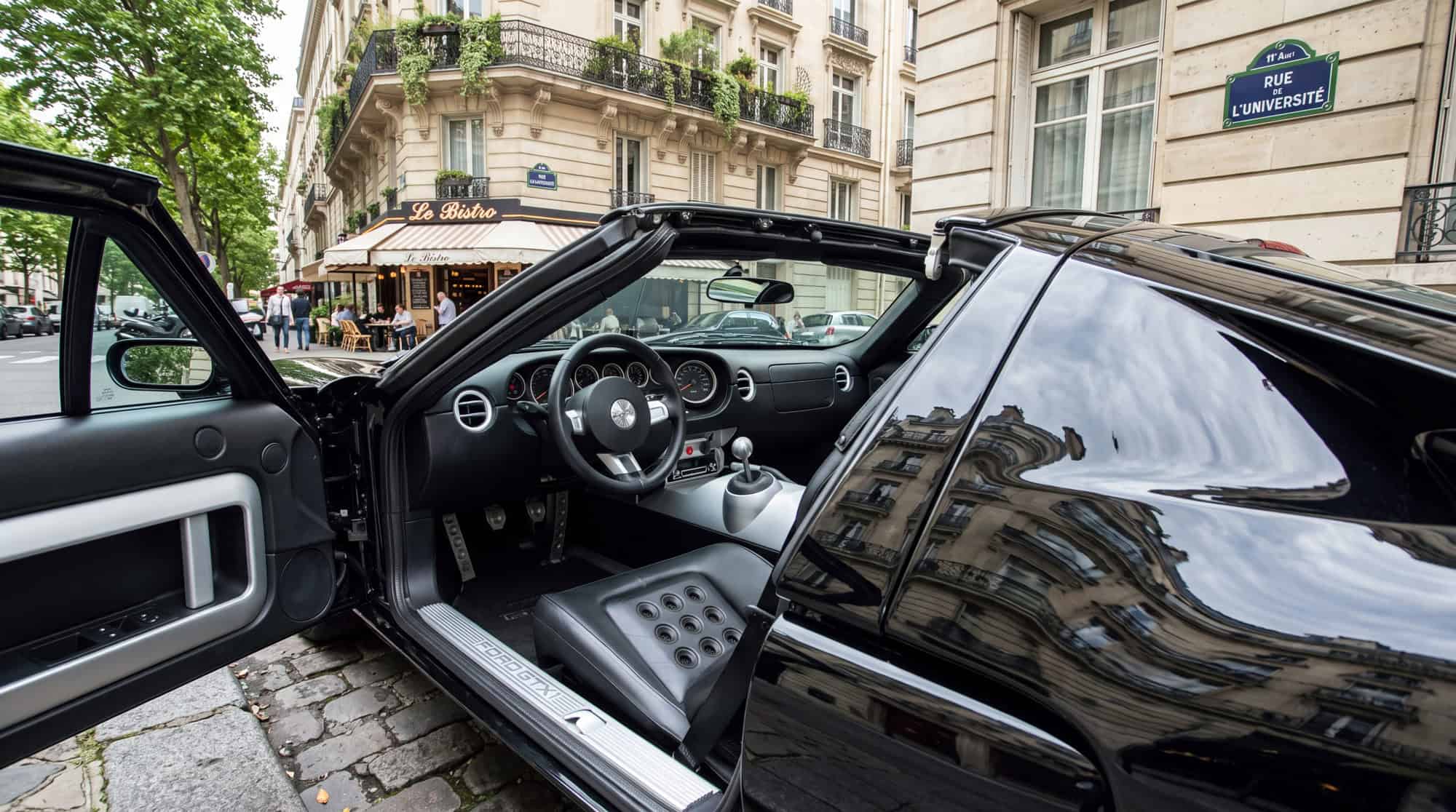
The first modern Ford GT has the broad torque spread, conventional steering and six-speed manual that make a short drive feel like an occasion. Its roof-cut doors need room to swing open, luggage space is limited, and body or chassis repairs can overshadow any savings on the purchase price.
| Specification | 2005–2006 Ford GT |
|---|---|
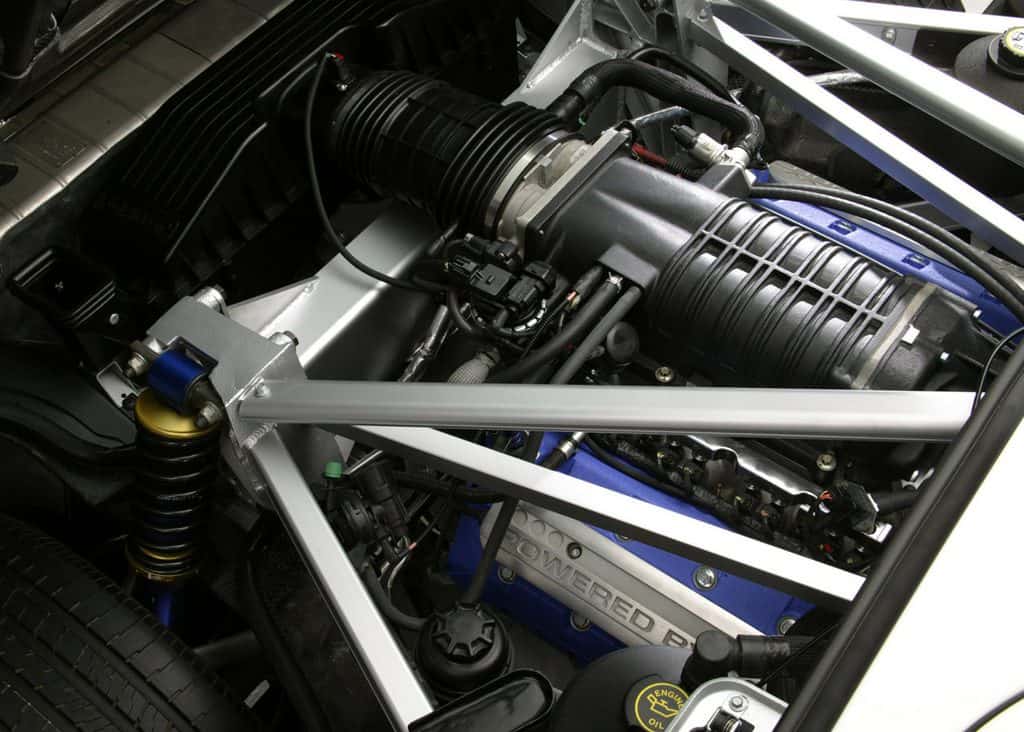
| Engine | Mid-mounted 5,409 cc aluminum V8, DOHC, 32 valves, supercharged and intercooled, dry-sump lubrication |
| Bore × stroke and compression | 90.2 × 105.8 mm and 8.4:1 |
| Output | 550 hp at 6,500 rpm and 500 lb-ft at 3,750 rpm |
| Drivetrain | Rear-wheel drive, Ricardo 6-speed manual transaxle, 3.36:1 final drive. Forward gear ratios are 2.61 / 1.71 / 1.23 / 0.94 / 0.77 / 0.63. |
| Structure and suspension | Aluminum chassis, independent double wishbones front and rear |
| Brakes | Brembo disc brakes, 14.0-inch front and 13.2-inch rear |
| Wheels and original tire sizes | Cast BBS 18-inch front and 19-inch rear, optional forged BBS wheels, 235/45ZR18 front and 315/40ZR19 rear |
| Dimensions | 182.8 inches long, 76.9 inches wide, 44.3 inches tall, 106.7-inch wheelbase |
| Weight and fuel | Approximately 3,485 lb curb weight, 43:57 front-to-rear distribution, 17.5-gallon usable fuel capacity |
| Performance | 0–60 mph in 3.3 seconds in Car and Driver’s comparison test. Ford certified a 205-mph top speed. |
Factory versions and options
| Version | How to identify it |
|---|---|
| 2005 Ford GT coupe | Launch model with the 550-hp V8 and six-speed manual. Commonly discussed in terms of its original paint and the four major factory options. |
| 2006 Ford GT coupe | Same key mechanical specifications. Tungsten Grey Metallic joined the range as a nod to the 1966 Le Mans anniversary. |
| 2006 Gulf Livery Heritage Edition | Heritage Blue and Epic Orange pay tribute to the Gulf GT40. Ford cites 343 examples. Verify the factory paint and package on the build paperwork. |
| GTX1 roadster conversion | Genaddi Design Group converted donor GT coupes after the GTX1 appeared at Ford’s SEMA stand. Ask for the conversion records, inspect the roof fit and seals, and confirm which removable panels and hardware come with the car. |
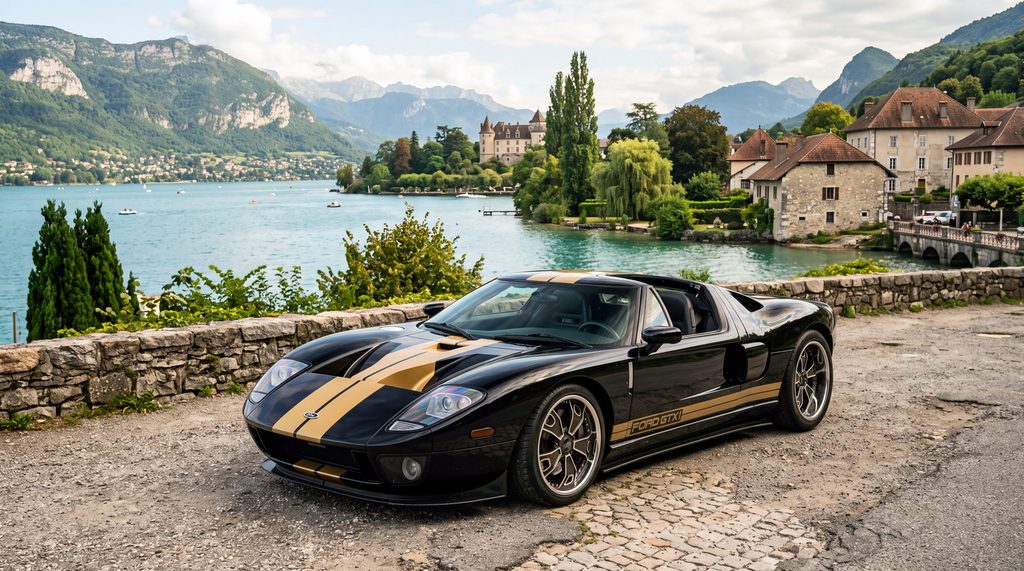
The four major options were painted overbody stripes, forged BBS wheels, painted brake calipers and a McIntosh audio system. A listing described as a four-option GT should have all four documented. A factory stripe-delete car can also appeal to collectors who prefer the cleaner look. Verify whether that description refers to the overbody stripes or the side graphics.
First-generation pre-purchase inspection
- Get it on a lift. Examine the aluminum structure, suspension pickup points, undertrays and jacking points. Look for straightening, undocumented welding, corrosion around repairs and damaged mounting points. Ask for repair invoices and before-and-after photos if anything has been refinished or replaced.
- Pull the campaign records. Ask for evidence that Ford’s output-shaft flange bolt and washer service campaign 07B49 was completed. Check the VIN for applicable recalls, including early 2005 control arms and Takata airbag campaigns on affected cars. Use the current VIN status and repair paperwork.
- Drive it cold and fully warm. Check clutch engagement and shift quality, including second gear. Pay attention to clutch slip under load, driveline noise and fluid seepage at the transaxle or axle seals. Test every gauge, the air conditioning, windows and the fuel filler. Gauge malfunctions and refueling issues have been reported.
- Question the years in storage. Check tire date codes, coolant and brake-fluid records, belts, hoses, battery condition and signs of fuel-system deterioration. On a modified GT, document the pulley, tune or forced-induction changes and find out whether the factory parts are included.
2017–2022 Ford GT: The carbon-fiber road car
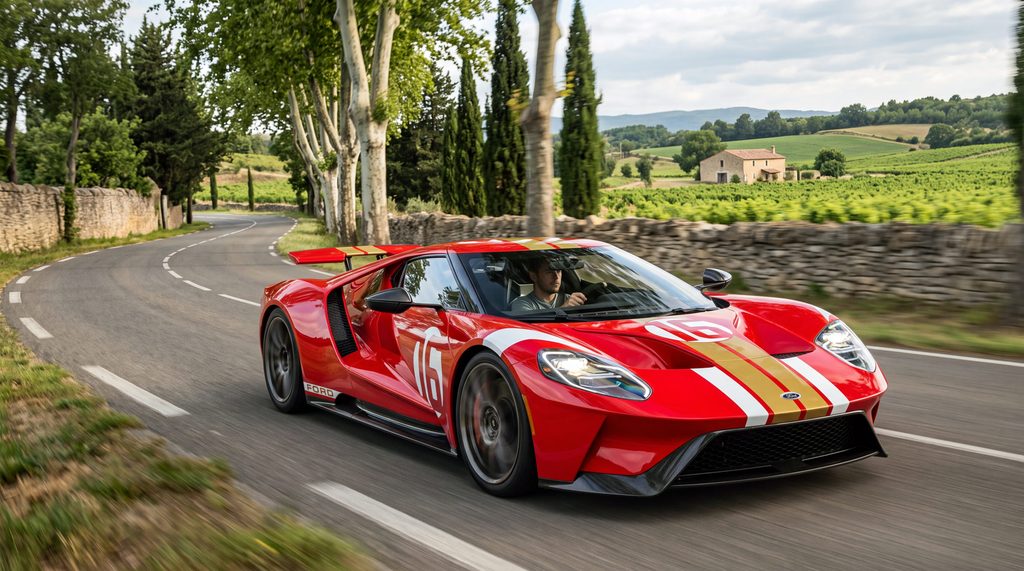
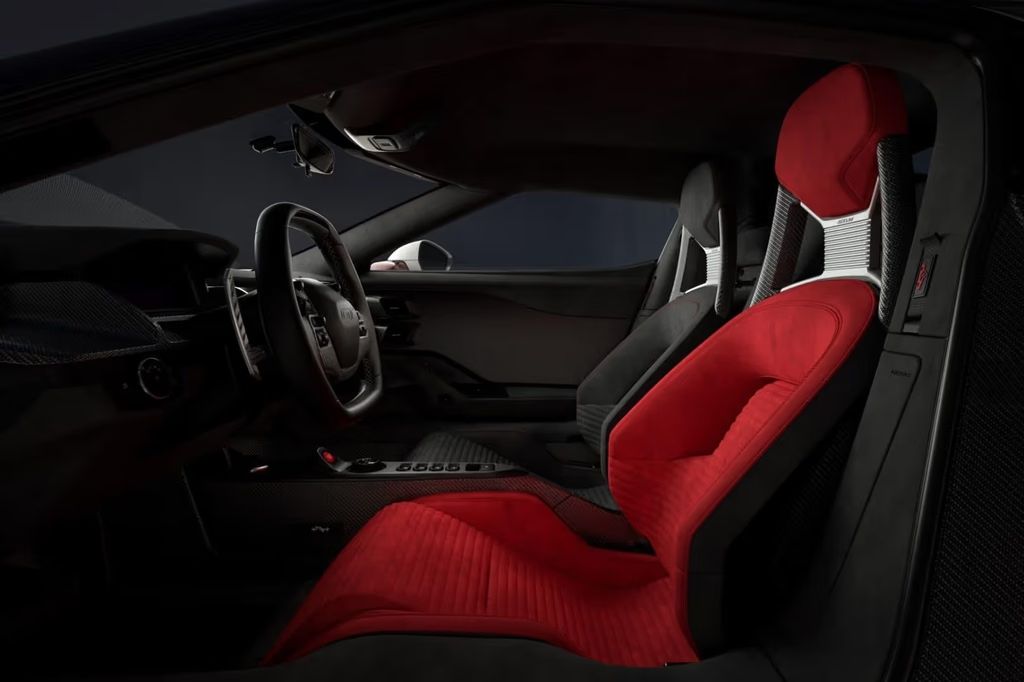
The modern racing program won the LM GTE Pro class at the 2016 24 Hours of Le Mans with the No. 68 Ford GT. The road car shares the program’s emphasis on aerodynamics and packaging. Its seats are fixed, with adjustable pedals and steering column, and Ford lists just 0.4 cubic feet of luggage space for the 2017 car. Sit in one before you buy.
| Specification | Standard second-generation road car |
|---|---|
| Engine | Mid-mounted 3,497 cc twin-turbo EcoBoost V6, DOHC, 24 valves, dry-sump lubrication |
| Bore × stroke and compression | 92.51 × 86.7 mm and 9.0:1 in Ford’s 2017 specification |
| Output | 2017–2019: 647 hp at 6,250 rpm and 550 lb-ft at 5,900 rpm. 2020–2022: 660 hp and 550 lb-ft, with a broader torque curve. |
| Drivetrain | Rear-wheel drive, Getrag 7-speed dual-clutch transaxle, 3.667:1 final drive in the 2017 specification. Forward gear ratios are 3.397 / 2.186 / 1.626 / 1.285 / 1.029 / 0.839 / 0.634. |
| Structure and suspension | Carbon-fiber tub and body, aluminum structures front and rear, pushrod-actuated suspension, Multimatic DSSV dampers, adjustable ride height and front lift |
| Aero and brakes | Active rear wing and front aero, Brembo carbon-ceramic brakes, 394 mm front and 360 mm rear, with 6-piston front and 4-piston rear calipers |
| Wheels and original tire sizes | 20 × 8.5-inch front and 20 × 11.5-inch rear, forged alloy or carbon fiber depending on build, Michelin Pilot Sport Cup 2 in 245/35R20 and 325/30R20 |
| Dimensions | 187.5 inches long, 78.9 inches wide without mirrors, 43.7 inches tall at normal height, 106.7-inch wheelbase |
| Weight, fuel and clearance | Ford quoted 3,054 lb dry for 2017, 15.2-gallon fuel capacity, 4.7 inches of ground clearance at normal height and 2.75 inches at low ride height |
| Performance | Car and Driver clocked a 2017 car at 3.0 seconds to 60 mph. Ford quoted a 216-mph top speed for 2017. |
Dry weight excludes operating fluids and differs from curb weight. Independent acceleration results vary by conditions and test method. The 2020 update also brought revised engine hardware and calibration, larger intercoolers, revised ducting, firmer Track-mode damping and a standard Akrapovič titanium exhaust. Ford used 2022 as the last road-car model year, with final road-car production extending into 2023.

Every second-generation road-car edition and major package
| Model year or introduction | Version | What to look for |
|---|---|---|
| 2017–2022 | Standard Ford GT | Factory paint, stripe, interior and wheel combinations vary. Study the window sticker for optional carbon wheels, exterior carbon finishes and special-order paint. |
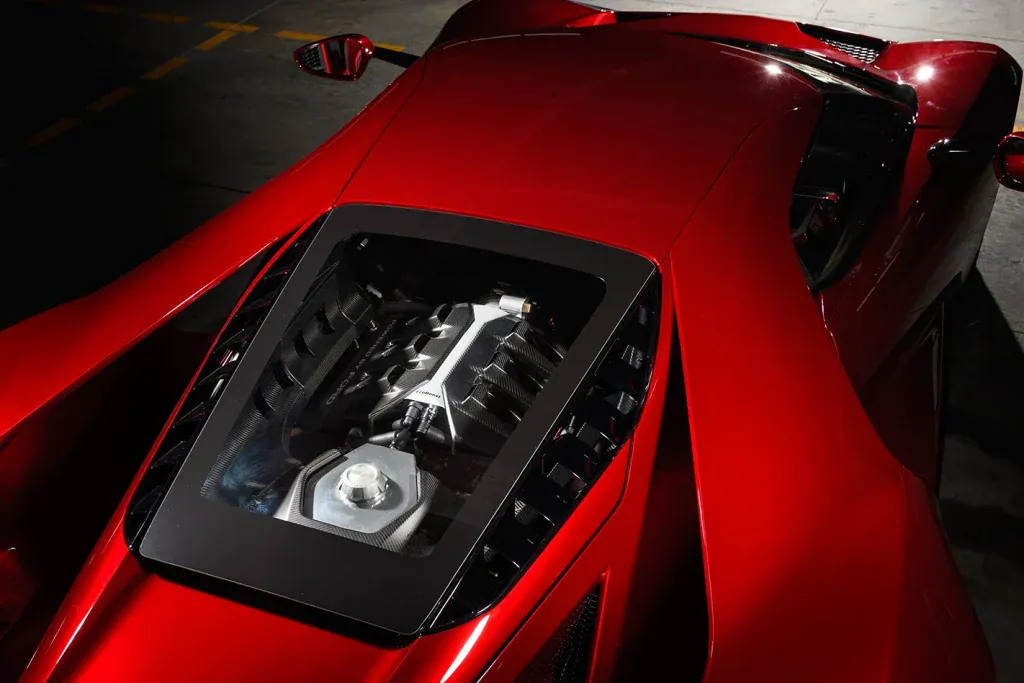
| 2017–2018 | Competition Series | Lightweight package with a Perspex engine cover, manual hatch prop, carbon wheels and deleted amenities including air conditioning and audio. Confirm the delete equipment and original hardware. |
| 2017 | ’66 Heritage Edition | Shadow Black in gloss or matte, silver stripes and No. 2 graphics honoring the 1966 Le Mans winner. Ford cites 27 examples. |
| 2018 | ’67 Heritage Edition | Race Red, white stripes and No. 1 graphics honoring the 1967 Le Mans-winning Mk IV. Ford cites 39 examples. |
| Introduced for 2019 | Carbon Series | About 39 lb lighter when introduced, with carbon wheels, titanium hardware and exhaust, a polycarbonate engine cover and exposed-carbon stripe treatment. It retained air conditioning and infotainment. Ford still listed the series in its 2022 VIN guide. |
| 2019 | ’68 Gulf Livery Heritage Edition | Blue and orange with No. 9 graphics available, honoring the 1968 Le Mans win. Ford cites 50 examples. |
| 2020 | ’69 Gulf Livery Heritage Edition | The Gulf tribute returns with No. 6 graphics available for the same GT40’s 1969 victory. Ford cites 50 examples. |
| Introduced for 2020 | Liquid Carbon | Clear-coated, exposed carbon-fiber bodywork and carbon-fiber wheels. Examine weave alignment, finish and every repaired panel carefully. |
| 2021 | ’66 Daytona Heritage Edition | Frozen White with Race Red accents, an exposed-carbon hood and No. 98 graphics honoring the Daytona winner driven by Ken Miles and Lloyd Ruby. |
| 2021–2022 | Studio Collection | A Ford and Multimatic graphics package that accentuates the bodywork and cooling ducts. Ford announced availability for 40 cars across the two model years and listed three Studio Collection series codes for 2022. |
| 2022 | ’64 Prototype Heritage Edition | Wimbledon White with Antimatter Blue accents and exposed carbon, honoring the GT40 prototype program. |
| 2022 | Alan Mann Heritage Edition | Red and gold with white accents and No. 16 graphics. Honors Alan Mann Racing’s lightweight GT40 development cars. |
| 2022 | Holman Moody Heritage Edition | Gold and red with No. 5 graphics, honoring the GT40 that completed Ford’s 1966 Le Mans podium sweep. |
| 2022 | LM Edition | Final road-car special edition, limited to 20. Liquid Silver with red or blue exposed-carbon accents and a dash badge made using material from the third-place 2016 Le Mans Ford GT’s crankshaft. |
Use the Ford window sticker, build records and VIN series information to authenticate a package. A stripe, roundel, wrap or carbon wheel can be added later. Have the seller document which graphics and accessories were delivered with the car.
Second-generation pre-purchase inspection
- Bring in a Ford GT specialist with carbon-composite experience. Inspect the tub, sill and jacking areas, crash structures, undertrays, splitter and wheel barrels. Ask for manufacturer or specialist repair documentation after any impact. A history report alone can miss a track incident or privately paid repair.
- Scan the car and test the hydraulics. Have the specialist cycle the front lift, adjustable ride height and active aero as prescribed by Ford. Ask for records for U.S. hydraulic leak recall 18V707, which affected certain 2017–2018 cars, and check 25V443, the follow-up covering certain previously repaired 2017 cars. Verify by VIN.
- Check the expensive wear items. Ask the shop to assess carbon-ceramic rotor condition, pads, tire age, wheel damage, alignment and underbody wear. Verify cold and warm shifts, reverse engagement and cooling-fan operation. Ask about track use and obtain a written estimate for immediate needs.
- Review time-based service. Match oil, brake fluid, cooling system, transmission and hydraulic service history against the correct model-year manual. Check both keys, the battery maintainer and any original delivery kit or edition-specific pieces the listing promises.
Ford GT Mk II, Mk IV and the Le Mans race car
| Version | Key specifications | What to verify |
|---|---|---|
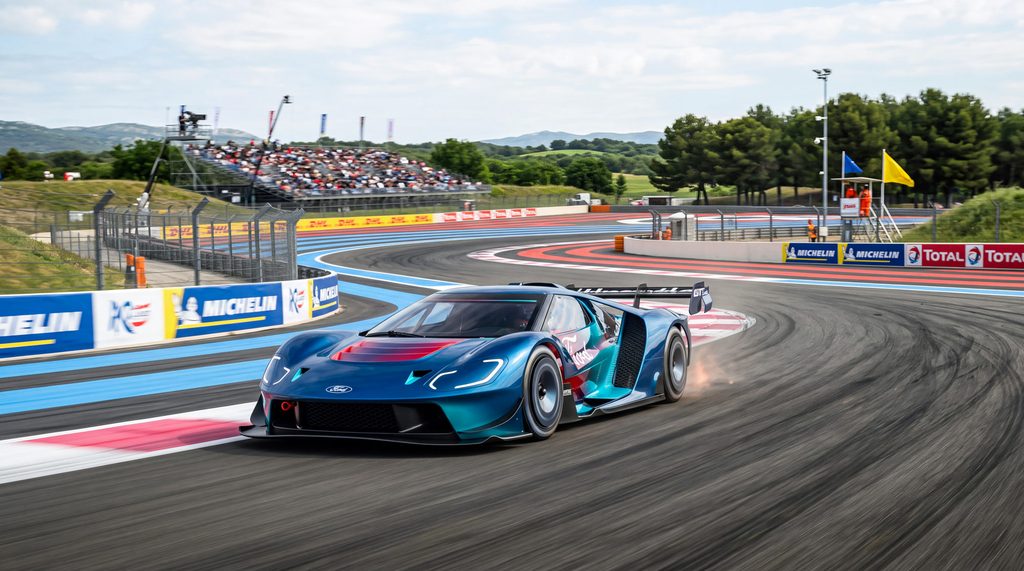
| Ford GT Mk II | Introduced in 2019, limited to 45. A 700-hp 3.5-liter twin-turbo EcoBoost V6, seven-speed dual-clutch gearbox, adjustable Multimatic DSSV dampers, fixed rear wing and dedicated track aero. | Chassis ID, original equipment, electronics data, running hours, component service logs and any spare wheels or bodywork included in the sale. |
| Ford GT Mk IV | Unveiled in 2022 as the 2023 Mk IV, with 67 examples planned. A 3.8-liter twin-turbo V6 rated at 820-plus hp, paddle-shift six-speed racing gearbox, longer wheelbase, carbon long-tail body and Multimatic ASV dampers. | Confirm the build and support documents, crash and repair file, engine and gearbox hours, and access to specialist track support. |
The modern Mk II and Mk IV share their names with the historic GT40s. Both are dedicated circuit cars. Confirm which ownership documents transfer, then account for enclosed transport, spares, service and track support. The factory LM GTE Pro race car used a 3.5-liter twin-turbo EcoBoost V6, a six-speed sequential transmission, an adjustable carbon rear wing and pneumatic jacks. If you’re shopping a team race chassis, trace its entries, results, rebuilds and component logs.
Which Ford GT should you buy?
| If you want… | Start with… |
|---|---|
| A manual GT you can put miles on | A documented 2005–2006 coupe with recent service, fresh tires and a clean structural inspection. |
| The original modern Gulf tribute | A documented 2006 Heritage Edition. For the carbon-generation version, compare the 2019 No. 9 and 2020 No. 6 Gulf tributes. |
| The later powertrain and cooling updates | A 2020–2022 standard GT or a documented Carbon Series from those years. |
| A race-inspired lightweight for the road | A Carbon Series if you want air conditioning. A Competition Series if you value the original lightweight equipment and can live with its deleted amenities. |
| A collection centerpiece with a specific story | A verified original GT40, a 2022 LM Edition or a Heritage car tied to the race or team you follow. |
| A dedicated circuit car | A Mk II or Mk IV with documented running hours, service history and support. |
Compare completed sales of cars with the same factory specification, similar mileage and similar condition. Check whether the reported price includes the buyer’s premium. Price the inspection findings separately, especially overdue service, replacement carbon-ceramic brakes, missing original equipment or documented structural repairs. Make the purchase contingent on a satisfactory inspection wherever the sale terms allow.
Financing a Ford GT with Woodside Credit
Whether you’re looking for a six-speed 2005–2006 coupe or a later carbon-fiber GT, Woodside Credit offers financing for eligible Ford GT road cars, with terms up to 180 months for qualified buyers and eligible vehicles. Get a Quick Quote to estimate your monthly payment before you make an offer. Ford financing · Woodside Credit loan terms · Get a Quick Quote