

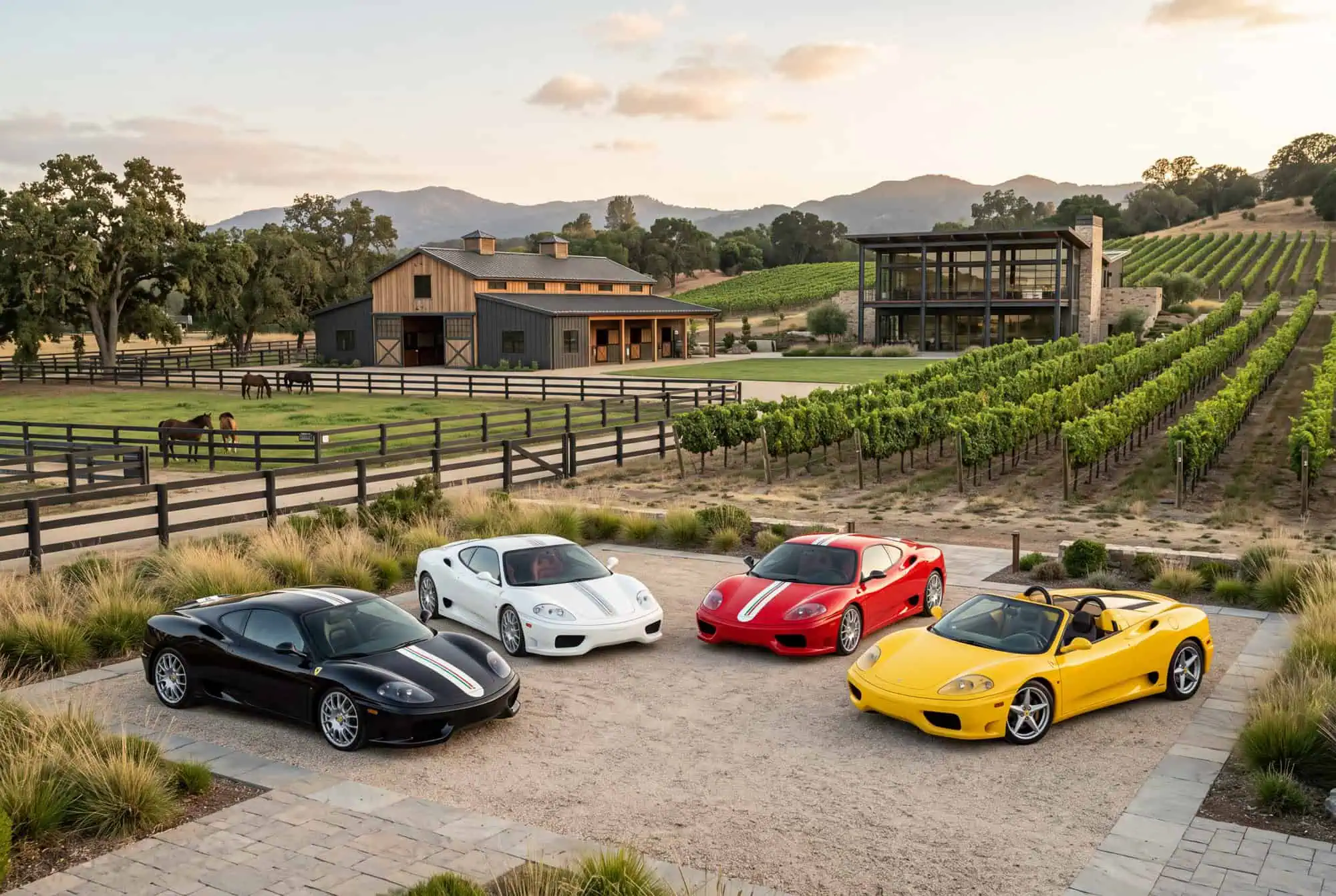
The Ferrari 360 is the kind of car you buy for the drive home. Its naturally aspirated V8 sits behind your shoulders, the steering feels alive in your hands, and a factory six-speed puts a metal shift gate between the seats. The same car can also make a neglected clutch, a lazy convertible top, or a missing timing-belt invoice an expensive part of your first year of ownership.
The best starting point for most buyers is a well-documented Modena. Choose the Spider if you want to hear more of the V8 with the roof down. If you want the most focused and collectible road-going version, look for a Challenge Stradale. Whichever you choose, put service records and an independent Ferrari specialist’s inspection ahead of mileage, color, or a fresh detail.
Every Ferrari 360 road-car version
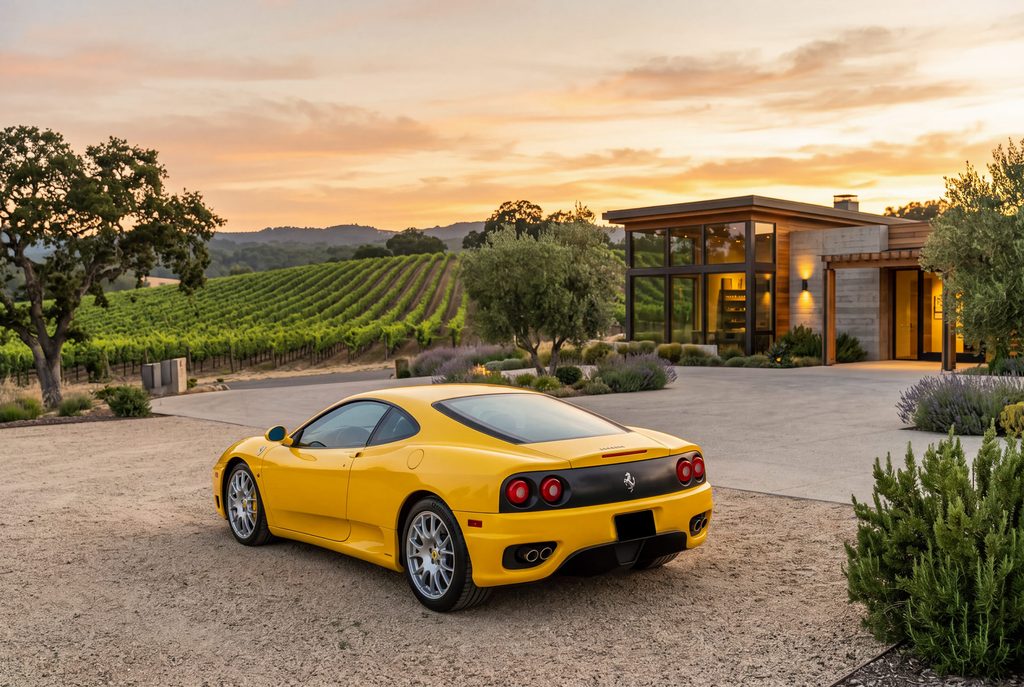
Introduced in 1999 as the successor to the F355, the rear-wheel-drive 360 brought an aluminum structure and bodywork, a roomier cabin, and a mid-mounted 3.6-liter, five-valve-per-cylinder V8. The Modena and Spider were offered with either a gated six-speed manual or a six-speed F1 automated manual. The Challenge Stradale used the F1 exclusively from the factory. The Spider debuted in 2000 and continued into the 2005 model year. Production dates and model-year labels can vary by market, so verify any specific car by VIN and build documentation.
| Factory configuration | What’s good | What to look for |
|---|---|---|
| 360 Modena six-speed manual | Fixed-roof coupe with a gated shifter. A strong choice for buyers who want the most hands-on 360. | Verify factory manual provenance before paying a premium. Check clutch engagement, linkage, and shift quality into second gear when cold and fully warm. |
| 360 Modena F1 | Same V8 and fixed-roof layout, with the paddle-shift experience Ferrari offered in period. Usually the most accessible route into the lineup. | Check F1 hydraulic health and hot engagement. Ask the specialist to interpret the clutch-wear reading alongside service records and the road test. |
| 360 Spider six-speed manual | Open-air V8 sound with three pedals. A compelling choice for weekend drives and buyers who want both features. | Verify factory manual provenance and cycle the power top repeatedly. Check seals, fabric, rear window, and evidence of hydraulic leaks. |
| 360 Spider F1 | Open-air driving with paddles and typically a lower entry price than a comparable factory-manual Spider. | Inspect both the roof and the F1 system. A bargain becomes less attractive if both need major work. |
| Challenge Stradale F1 | Lightweight, sharper-edged coupe with more power, quicker shifts, and carbon-ceramic brakes. | Authenticate the car and its options. Get a specialist assessment of brake condition, past track use, body repairs, and original parts. |
360 Modena
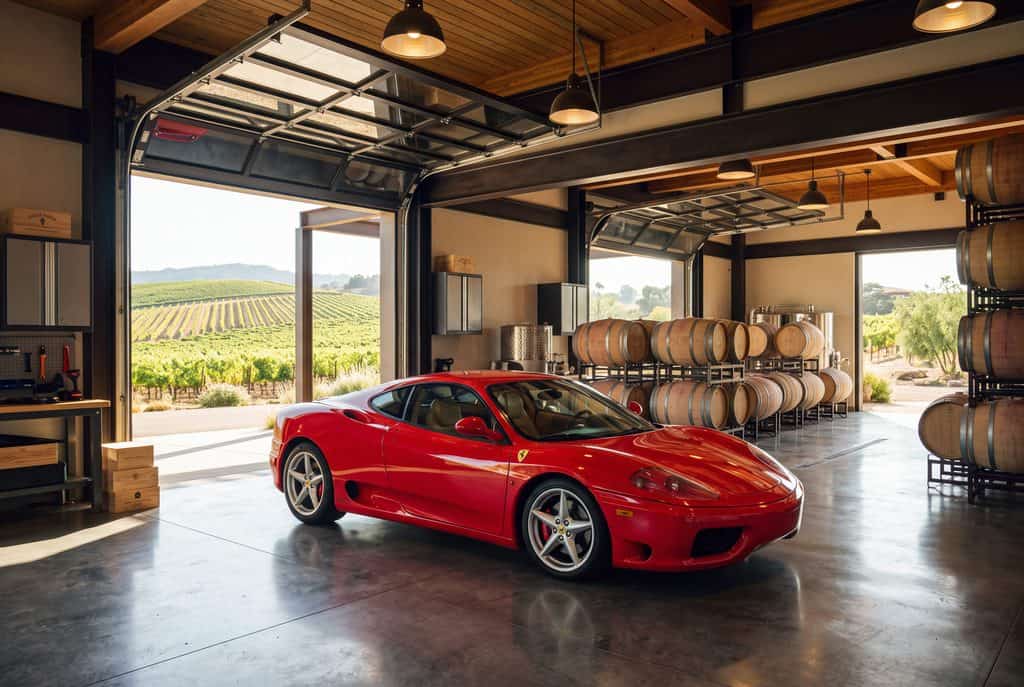
The Modena gives you the 360’s core experience in its simplest body style. Its fixed roof avoids the extra mechanisms of the Spider, and the cabin suits a weekend road trip. The V8 makes roughly 395 horsepower in standard form, with much of the drama arriving higher in the rev range. A stock, documented F1 Modena can be a smart buy if you like driving with paddles. Drive one in traffic before deciding. Low-speed shifts have the feel of an early automated manual, and so does the clutch during parking maneuvers.
360 Spider
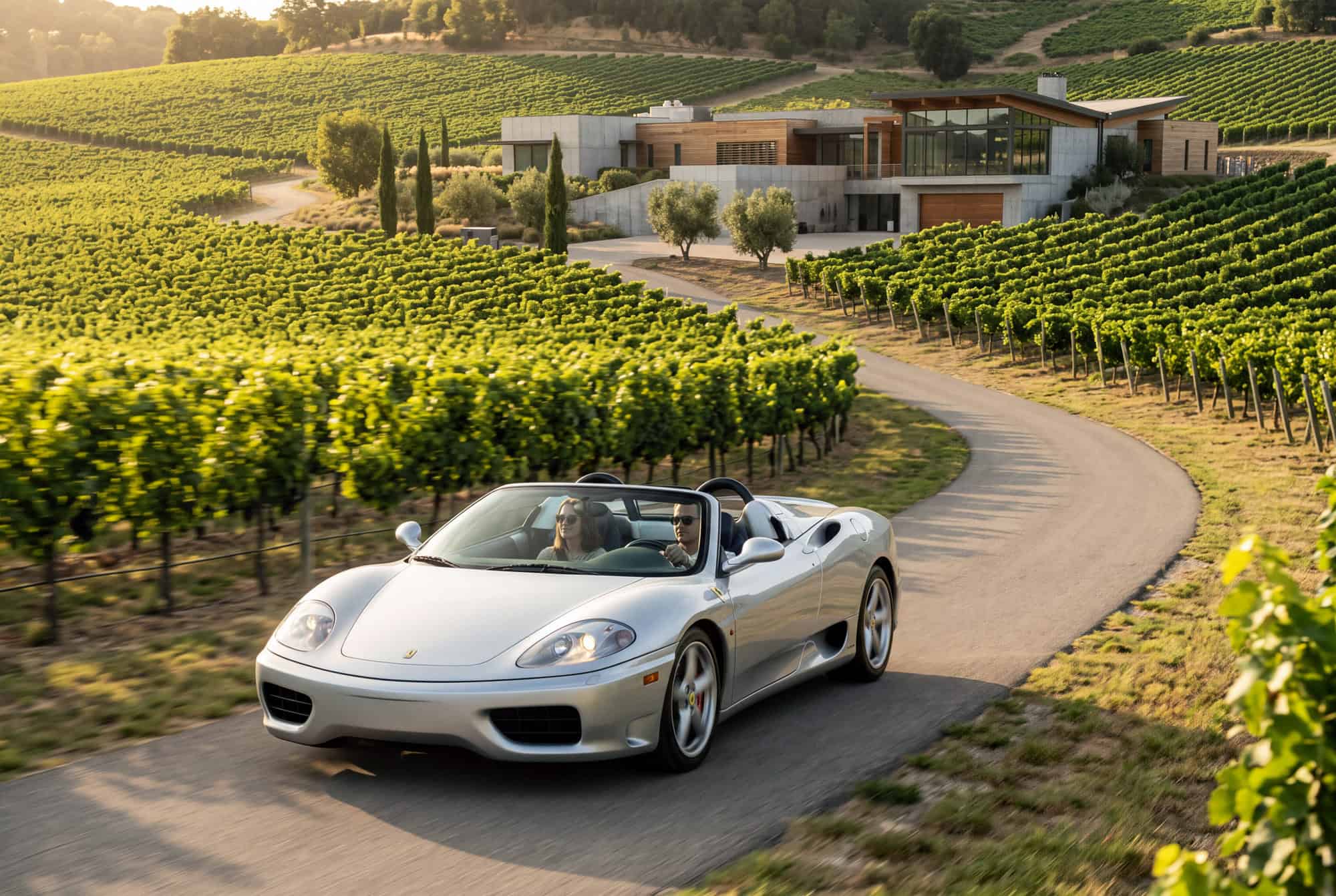
The Spider’s fabric roof folds away under a powered cover, and the open cabin gives you a better seat for the exhaust note. Age matters as much as mileage here. Run the top through several full cycles with the seller and watch for asymmetric movement, binding, slow operation, and warning messages. Look for hydraulic fluid around the mechanism, torn fabric, a cloudy rear window, and damp carpets. Ask for invoices if the seller says the top has been rebuilt. A repair to a single cylinder tells you less than an invoice that describes the scope of the work.
Challenge Stradale
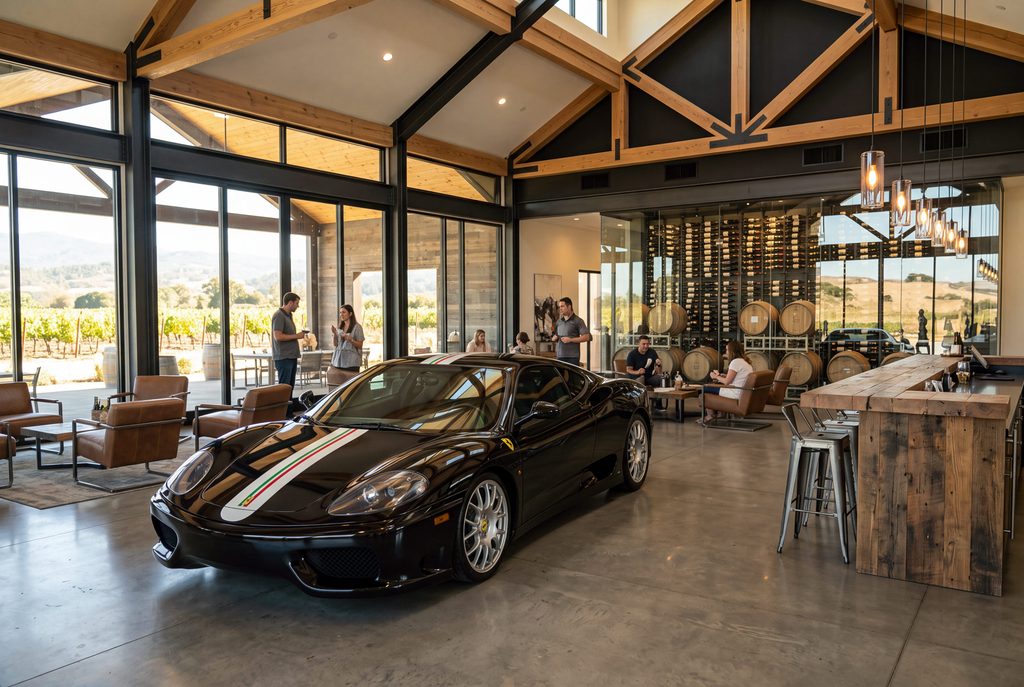
The Challenge Stradale pairs a 3.6-liter V8 rated at a period-quoted 425 horsepower with weight savings, revised F1 shift software, a firmer chassis, and carbon-ceramic brakes. The ride is harder and the cabin louder, which is part of the appeal on a back road and worth experiencing before a long trip. At inspection, ask for a brake assessment and a replacement estimate if the discs show damage or significant wear. Check the front bumper, underbody, and vehicle history for evidence of hard use or repairs. Confirm seats, trim, wheels, and any claimed factory stripe against original documents. Ferrari offered the car without a stripe, and an added stripe, grille, or body kit can make a regular 360 look like a Stradale.
Factory options, conversions, and competition cars
A Challenge-style rear grille, sport seats, special paint, or different wheels can make a Modena or Spider more appealing. Verify any option the seller prices as factory equipment. For a manual conversion, ask who did the work, which parts were used, how the electronics were configured, and whether the original F1 parts come with the car. Drive it and compare its price with other documented conversions. For a factory manual, use a Ferrari dealer or marque specialist to corroborate the original build specification.
The 360 Challenge was built for Ferrari’s one-make race series. 360 N-GT, 360 GT, and 360 GTC refer to competition derivatives and evolutions associated with Michelotto and GT racing. If you are buying a race chassis, verify its build and race history, conversion records, spares, and engine and gearbox hours. Ferrari also documents a one-off 360 Barchetta commissioned by Gianni Agnelli, a special commission outside the production lineup.
What to look for before you buy a Ferrari 360
| Inspection area | What to ask your Ferrari specialist to check |
|---|---|
| Timing belts and early cam variators | Start with the dated belt invoice and mileage. Confirm which tensioner components were inspected or replaced. For early cars, ask a Ferrari dealer to check the VIN and available records for the cam-variator campaign or documented updated parts. |
| Engine and cooling | Start from cold. Look for persistent smoke, misfires, warning lights, fluid leaks, excessive vibration from worn mounts, and overheating. Inspect the front radiator area for debris, damage, and leaks. Ask about the gearbox oil-to-coolant heat exchanger if there are signs of cross-contamination. A persistent raw-fuel smell warrants diagnosis before a road test. |
| F1 transmission | Check for trouble selecting first or reverse, flashing gear indicators, unexpected neutral, hydraulic leaks, and excessive pump cycling. Have the shop test the hydraulic system as indicated and review stored faults, clutch-wear estimates, and clutch engagement calibration. Repeat the checks when the car is fully warm. |
| Gated manual | Check clutch take-up and slip, shifter play, gear engagement, and hydraulic leaks. Persistent grinding or difficulty shifting after warm-up calls for diagnosis and an estimate before you buy. |
| Steering and suspension | Inspect ball joints, tie-rod ends, shock bushings, and mounts. Listen for knocks on uneven pavement. Uneven tire wear or an off-center steering wheel can justify a closer look at alignment, worn components, and prior repairs. |
| Brakes, wheels, and tires | Check disc and pad condition, brake hoses, wheel damage, and tire date codes, including on low-mileage cars. For a Stradale, use a shop familiar with Ferrari carbon-ceramic discs. |
| Aluminum structure and underbody | Look for inconsistent panel gaps, overspray, disturbed fasteners, cracked undertrays, and damage at jacking points. Put the car on a lift. Any known structural repair deserves records from an aluminum-capable shop and a second look at the quality of the work. |
| Cabin and electrical equipment | Check sticky switch coatings, shrinking or lifting dash leather, seat wear, windows, door handles, air conditioning, locks, warning lights, keys, and alarm remotes. Verify the condition of the battery and ask how it was maintained during storage. |
Before booking the inspection, request the VIN, title history, service invoices, keys and remotes, owner’s manuals, and a list of modifications. Reconcile mileage across the invoices and history report. Pause a purchase if the seller won’t allow an independent inspection, the VIN or title paperwork is inconsistent, or the car shows unresolved overheating or structural damage.
Arrange the pre-purchase inspection with a Ferrari shop you choose. Ask for a written report with photos, a diagnostic scan, and a road test from cold through full operating temperature. Have the shop quote immediate repairs and the next scheduled service separately. Compression or leak-down testing is worth discussing if the car has rough running, suspicious engine history, or other findings that warrant it. Check recalls by VIN through a Ferrari dealer and NHTSA. The dealer is also the place to ask about older factory campaigns.
How to tell whether a Ferrari 360 has been maintained
A binder of itemized invoices tells you what happened between odometer readings. Look for dated records with mileage, a vehicle identifier, the shop’s name, and the parts and labor performed. Read the last major service line by line. A listing that says “major done” can mean different things to different sellers.
| Service item | What good records show |
|---|---|
| Engine oil and filter | Regular, typically annual, service even in years with few miles. |
| Timing belts | A dated replacement invoice with mileage and tensioner details. Use three years as a conservative planning interval and have your specialist confirm the schedule for the car. The 360’s service access allows belt replacement with the engine in place. |
| Brake fluid, coolant, and gearbox oil | Periodic replacement with the correct fluids. Have your shop set the next due dates from the applicable schedule and invoices. |
| Clutch and F1 hydraulics | Diagnosis and repair details, including clutch setup and any work to the pump, relay, accumulator, or actuator. A clutch-wear percentage is an estimate. Interpret it with the calibration history and how the car actually drives. |
| Tires and other age-sensitive parts | Replacement dates for tires and the battery, plus attention to aging hoses, seals, mounts, and other rubber parts as needed. |
| Spider roof and Stradale brakes | Model-specific invoices. Roof records should identify which parts were repaired. Stradale brake records should identify disc and pad condition or replacement. |
If you can’t verify the last belt service, include it in your initial service budget. Compare a regularly driven car with complete invoices against a low-mileage example that spent years sitting. A recent oil change alone leaves a lot of history unanswered. Add independent inspection findings, the next service, tires, insurance, and a repair reserve to your purchase budget.
Which Ferrari 360 should you buy?
- Best place to start: A Modena F1 with detailed service records and clean hot and cold shift behavior.
- Best for three-pedal driving: A factory-manual Modena with verified provenance.
- Best for open-air weekends: A Spider with a roof that works smoothly and a transmission you enjoy driving.
- Best for a focused collection: An authenticated Challenge Stradale with strong records and a specialist’s brake assessment.
When comparing prices, use completed sales for the same body style and transmission. Account for service history, factory versus converted specification, mileage, and accident history. Asking prices can show where sellers are testing the market. Completed sales help you decide what to offer.
Finance your Ferrari 360 with Woodside Credit
Whether you’re shopping for an Ferrari F1 Modena, a gated Spider, or a Challenge Stradale, Woodside Credit offers financing for eligible exotic and collector cars. Start with a no-obligation Quick Quote to estimate your monthly payment on the Ferrari you’re considering. Get a Quick Quote · Explore Ferrari financing